




MUSCAT: A recent study by Dr Pankaj Pathare from the College of Agricultural and Marine Sciences at Sultan Qaboos University has identified six innovative engineering technologies that could significantly reduce post-harvest losses of fruits and vegetables in the Gulf region, helping to strengthen food security, improve supply chain efficiency and reduce waste of natural resources.
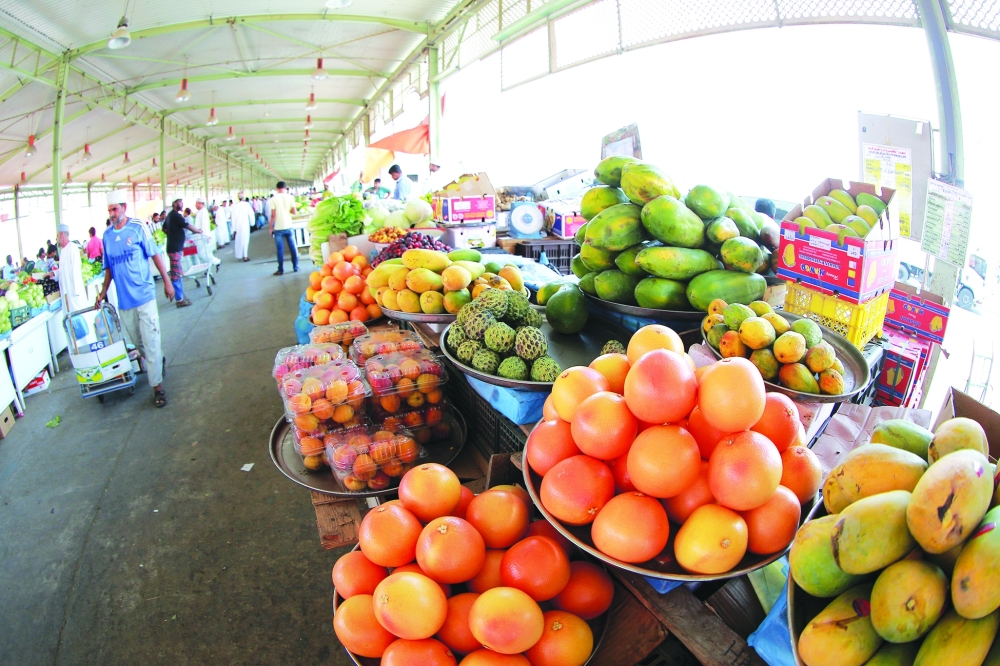
Post-harvest losses of fruits and vegetables remain one of the most pressing challenges facing food systems across the Gulf Cooperation Council countries.
Estimates suggest that between 30 and 50 per cent of fresh produce is lost between harvest and consumption, resulting in substantial economic losses, unnecessary waste of water and energy resources, and added pressure on food security in a region that relies heavily on food imports.
Against the backdrop of the Arabian Peninsula's challenging climate, characterised by high temperatures and elevated humidity in coastal areas, Dr Pathare conducted a comprehensive, evidence-based assessment of the causes of post-harvest losses across the GCC.
The study examined vulnerabilities during harvesting, handling, storage and transportation while proposing innovative engineering solutions to minimise these losses.
The research reviewed six key technological approaches developed to address these challenges through advanced and sustainable solutions. The first focused on the use of computer vision systems to assess mechanical damage in apples.
The technology proved effective in detecting bruising at an early stage and linking it to subsequent quality deterioration and weight loss during storage.
The study also examined the application of cold plasma technology as a non-thermal preservation method for dates. Results demonstrated significant improvements in fruit quality, reductions in microbial load and an extended storage life under refrigerated conditions.
In the field of sustainable food processing, the research team developed a hybrid dryer combining hot air and infrared heating for drying courgette slices.
The system achieved high levels of time and energy efficiency while maintaining the physical properties and overall quality of the final product.
The study further investigated the susceptibility of bananas to mechanical damage using pendulum impact testing, an engineering method that simulates the impacts fruit may experience during handling.
By linking impact intensity and storage temperature with accelerated ripening and quality deterioration, the research established a scientific basis for defining safer handling limits.
In transport and packaging, vibration studies revealed that package design plays a more critical role than packaging thickness in reducing damage during transportation, highlighting the importance of optimising packaging engineering rather than simply increasing material use.
The sixth area of research explored the drying of small fish using enhanced solar drying technology, demonstrating its ability to reduce moisture content and water activity while improving microbiological quality and sensory characteristics compared with conventional drying methods.
Based on findings from all six experimental studies, the research concluded that reducing post-harvest losses in GCC countries requires integrated, data-driven engineering solutions that combine smart technologies, advanced preservation methods and sustainable processing techniques. Such approaches have the potential to strengthen food supply chains while supporting long-term sustainability and regional food security.
Oman Observer is now on the WhatsApp channel. Click here