




NEW DELHI: Indian activists are challenging Prime Minister Narendra Modi's government over the use of AI-powered surveillance at the largest youth protest in decades, with one court case set to become a test of federal powers even after agitation ended.
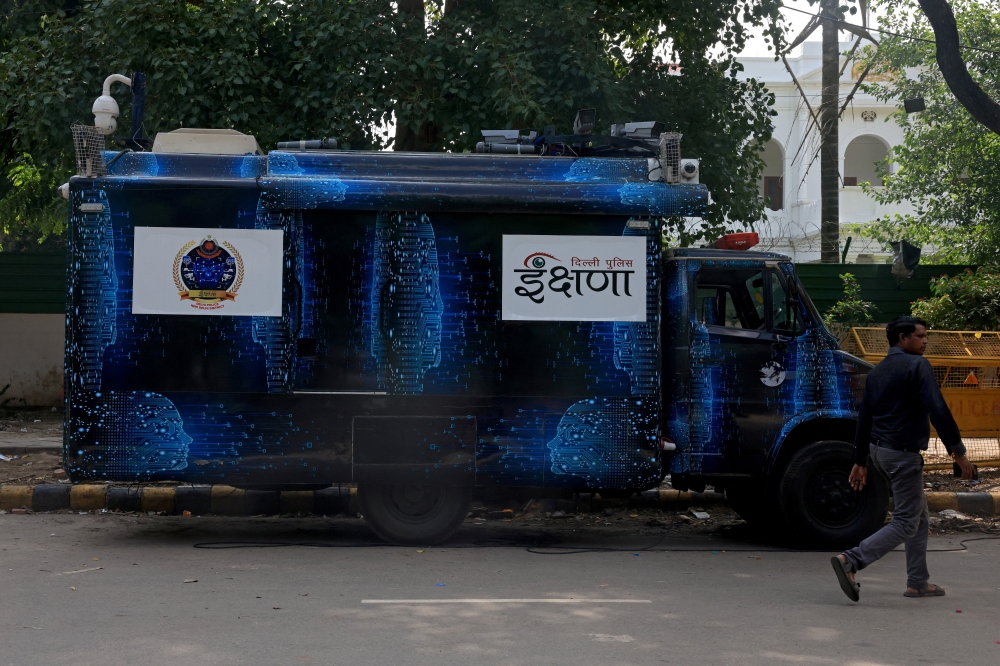
The surveillance controversy erupted during last week's student protests over exam paper leaks when demonstrators posted pictures on social media of a mobile police surveillance van equipped with cameras on a telescopic mast providing a 360-degree view of the gathering.
One protester, student activist Aishe Ghosh, has asked the Delhi High Court to declare mass surveillance of protesters unconstitutional and direct the destruction of all personal data collected during the protest, as well as order the framing of guidelines on how surveillance technology can be used.
Ghosh is pressing on with the case even though the protest ended after Education Minister Dharmendra Pradhan resigned in a rare setback for Modi, who has since announced a panel to overhaul the cheating-prone exam system.
India has no law governing the use of facial recognition technology by police and surveillance at the main protest site in New Delhi was a breach of the law, activists say.
The government says such checks were legal and in the public interest to ensure law and order.
Modi's government has often been accused by opposition parties and digital rights advocates of expanding surveillance powers and tightly controlling digital communications. It has rejected such accusations, saying it only acts in the public interest.
During a hearing on Friday, Solicitor General Tushar Mehta defended the Indian police conduct, saying privacy claims at a public gathering were "ironical" and the checks were "absolutely necessary" and "in legitimate state interest."
In a brief hearing on Monday, judges heard arguments from Ghosh that intrusive mass surveillance of protesters was disproportionate, as she sought broader disclosures on the state's surveillance policies during protests. The court will hear the matter on Tuesday.
Oman Observer is now on the WhatsApp channel. Click here