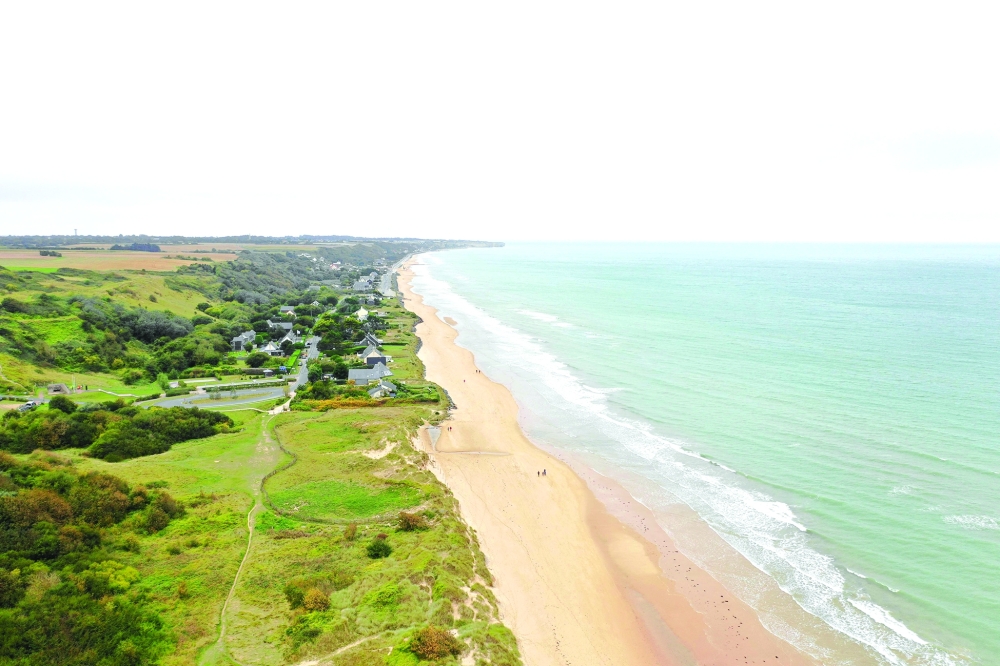





Normandy’s D-Day landing beaches were inscribed on Unesco’s World Heritage List on Sunday, completing an initiative that began nearly two decades ago.
The recognised site extends along more than 80 kilometres (50 miles) of coastline in northwestern France. It was on these shores that Allied forces landed on June 6, 1944, in a decisive military operation that helped liberate Europe from Nazism and paved the way for the end of World War II.
The nomination covers all five beaches associated with the historic landings, each remembered by the code name used during the operation: Utah, Omaha, Gold, Juno and Sword. Together, the five locations form a coastal landscape linked to one of the defining moments of the war.
For Normandy, the inscription is both an honour and a long-term commitment. “This decision places a responsibility upon us”, said Hervé Morin, president of the Normandy Region. He said the recognition requires the region to preserve and protect the property, cherish it and promote its value.
The beaches now join more than 50 French properties included on Unesco’s World Heritage List. Among them are Mont Saint-Michel, Normandy’s island landmark and the Palace of Versailles.
The Unesco inscription acknowledges the beaches’ “outstanding universal value” while giving the site international recognition. It also commits the authorities to safeguarding the coastline and ensuring that its historical significance is preserved. The decision therefore marks both the conclusion of a lengthy nomination process and the beginning of a renewed responsibility to protect the beaches for the future. — AFP
Oman Observer is now on the WhatsApp channel. Click here