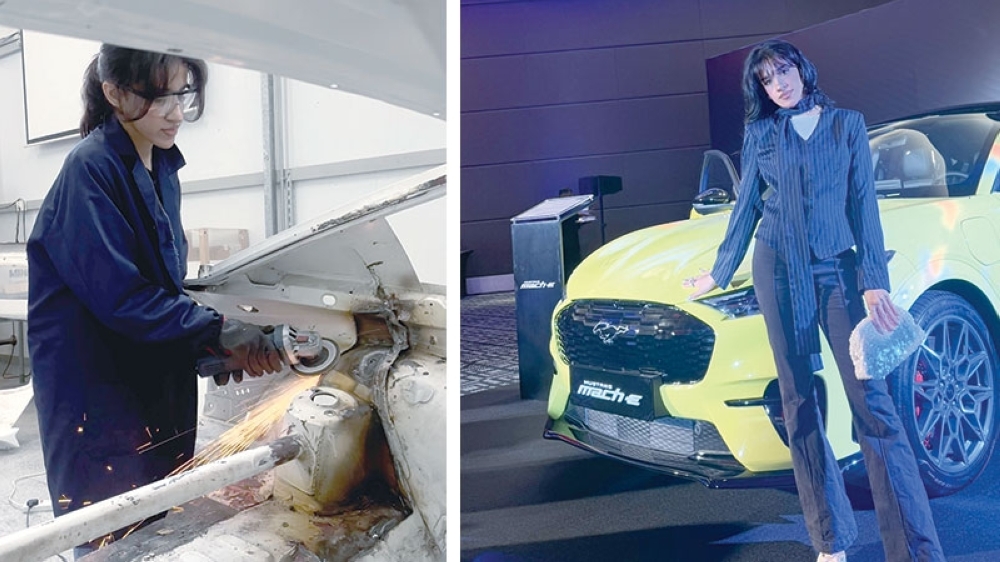
At a time when we are witnessing rapid social, political and technological upheavals that leave older generations confused and judgemental, Gen Zs are showing a way forward.
Around the world, and particularly in South Asia, Gen Zs have participated in large numbers and successfully changed governments in Nepal, Bangladesh and Sri Lanka.
More recently in India, thousands of youngsters across the country are participating in rallies to protest the leak of public examinations, and multiple other educational issues.
Zooming out, youngsters born around 1997 and after, commonly known as Gen Zs, are different from other generations for a variety of reasons. They are the first digital natives, have mainly experienced the limitations of globalisation, as well as of environmental degradation.
They have also witnessed the mental cost that millennials paid for working around the clock and at odd hours in the early years of call centres and outsourcing.
What we are witnessing today is Gen Z’s resistance to such institutionalisation of work, recreation and even identity. A quick glance at Pinterest or other social media platforms reveals the wit and frustration of this generation: “We joke about pain because it’s easier than explaining it”; “We want success, but not at the cost of our peace”; “We’re surrounded by people but still feel alone” are some typical observations.
While this generation has been seen to be entitled, ‘lazy’ and almost ‘unemployable’, they are hitting back in ways that their older brethren had not been able to.
The most important concern for Gen Zs is the fear of a bleak future. With the rise of Artificial Intelligence and general digitalisation of multiple traditional jobs, the job scenario is concerning, to say the least. Youngsters in the job market have realised that they need to focus on themselves through entrepreneurship and self-employment, as institutional jobs are getting scarce.
Even their priorities are now changing. Disillusioned by the promises of better futures if they only worked harder and longer, Gen Zs are now focusing on mental health, multitasking, and social responsibility. These are not just trends but show a genuine way forward.
In the West, it is a fact that youngsters socialise less through physical interaction and prefer online ones. They have also eschewed habits like smoking which has seen a downward trend.
There is also an impulse to go retro. Seen through a return to turntables, DSLR cameras and even DVDs, this backward gaze to a very recent past points to ways that a disposable lifestyle is rejected in favour of authenticity and individuality.
One of the most significant contributions of Gen Zs is the sharp, sometimes bitter satire and humour that they bring to situations, mainly through online memes. In the recent demonstrations in Asia which were fronted by them, youngsters shared witty takedowns of how they saw the world around them.
Coupled with innovative graphics and slogans, they captured the mood of a generation and of a nation.
There are lessons in this for everybody. Gen Zs are now setting the agenda for the way that they want their world to look, and perhaps they should take the lead. After all, the lifestyle of boomers has only led to irresponsible consumerism and degradation. The backlash has come in the advocacy of a way of life that may seem unfamiliar to us: slower living, work-life balance, environmental responsibility and awareness of mental health. None of these are to be taken lightly.
The dismissive attitude towards the younger generations needs to be recalibrated to give Gen Zs, and those after, a voice and a valid platform as they re-imagine their world. As is often said, change is the only constant. At present, this change is in the hands of those who have a larger stake in the stability and development of our society.
SANDHYA RAO MEHTA
The writer is Associate Professor, Sultan Qaboos University
Oman Observer is now on the WhatsApp channel. Click here