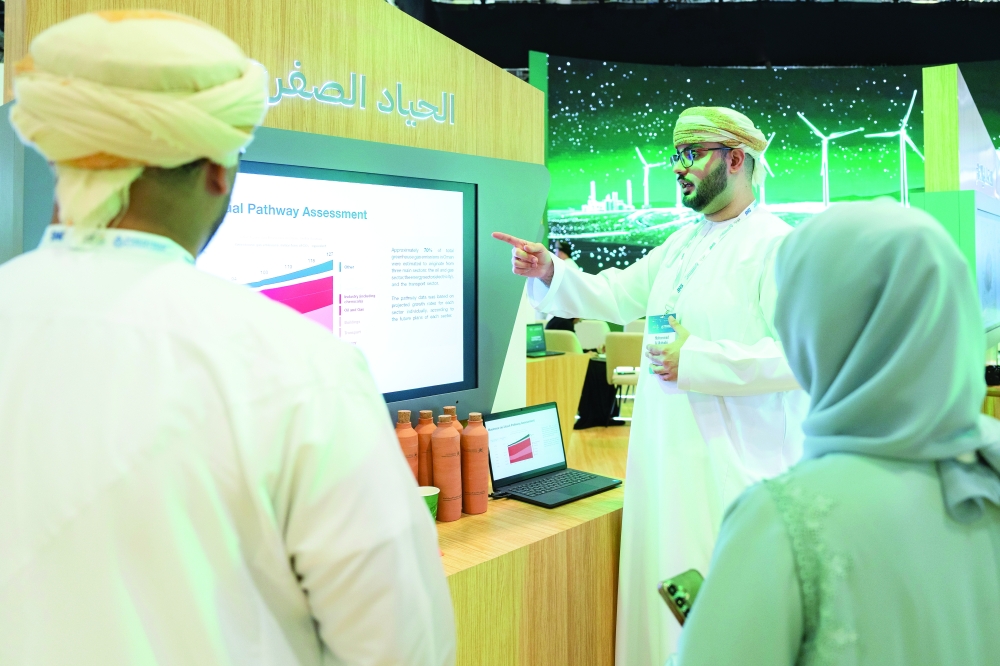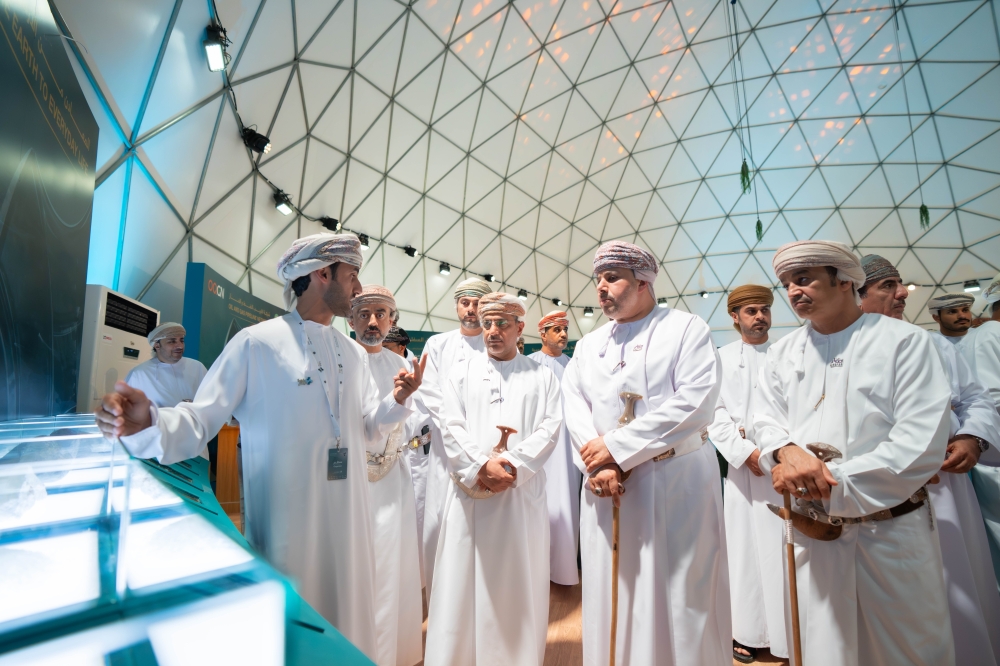





SALALAH: A visitor entering the Energy and Minerals Exhibition 2026 in Salalah can move within minutes from an oil reservoir and a national gas pipeline to mineral samples, electric vehicles, artificial intelligence and Oman’s plans for green hydrogen and carbon markets.
Organised by the Ministry of Energy and Minerals in cooperation with companies operating across the sector, it runs until August 6. Its stated purpose is to make industries usually described through technical reports and large investment figures understandable to citizens, residents and visitors during the Khareef Dhofar. The official material on display also sets out where the sector’s economics and infrastructure remain under development.
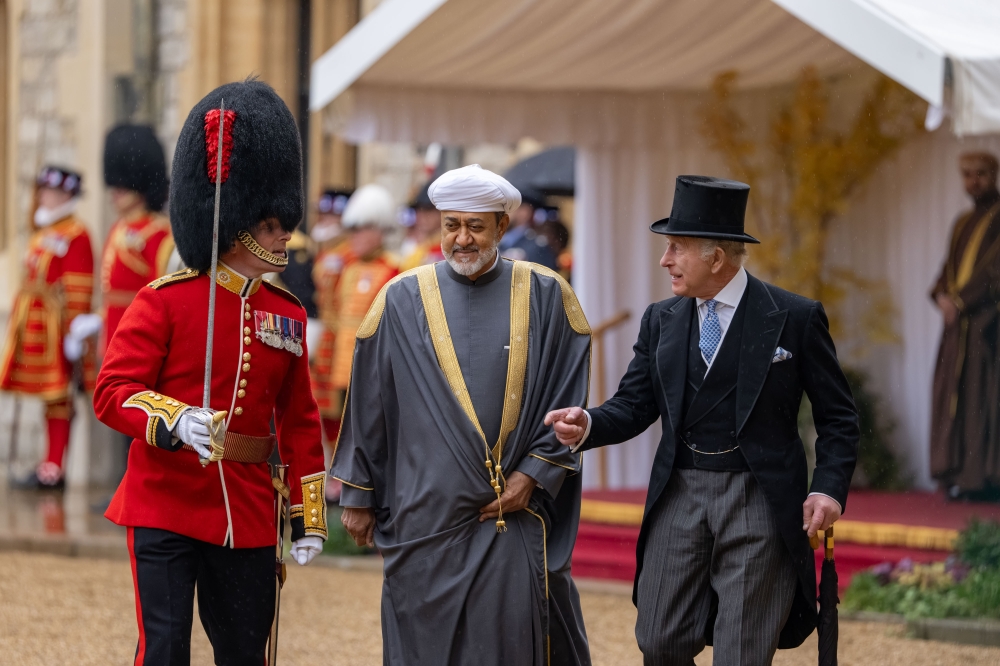
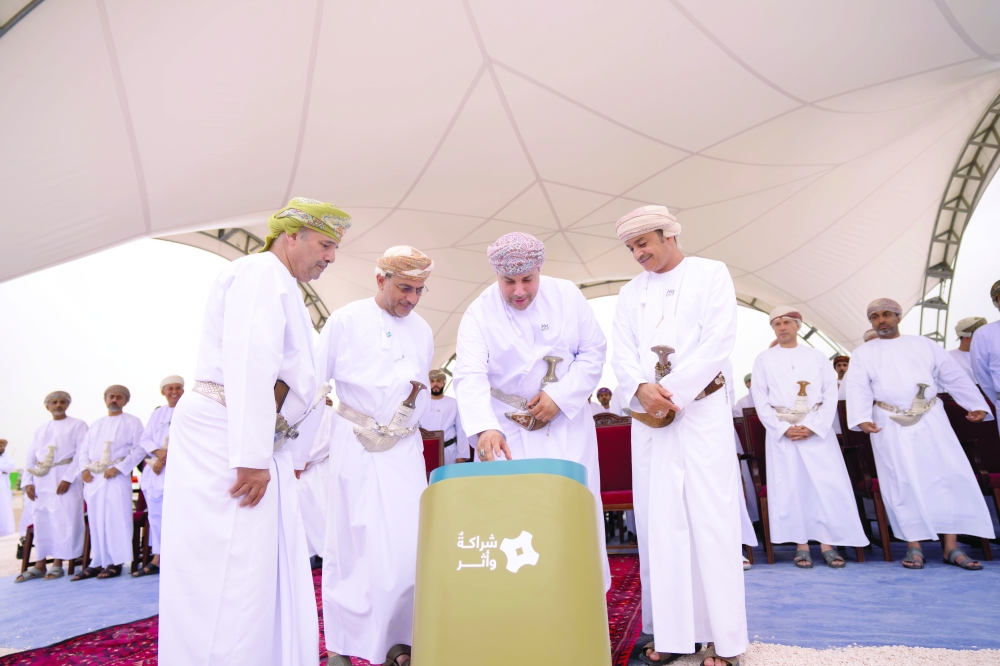
Opened on Saturday at Atin by HH Sayyid Marwan bin Turki al Said, Governor of Dhofar, the exhibition brings together nine interactive sections explaining how oil, gas, electricity, minerals and emerging low-carbon technologies connect with industry, transport, employment, public services and daily life.
In remarks issued at the opening, HH Sayyid Marwan said the exhibition reflected “the importance of strengthening direct communication and consolidating the partnership between government institutions, sector companies and society”.
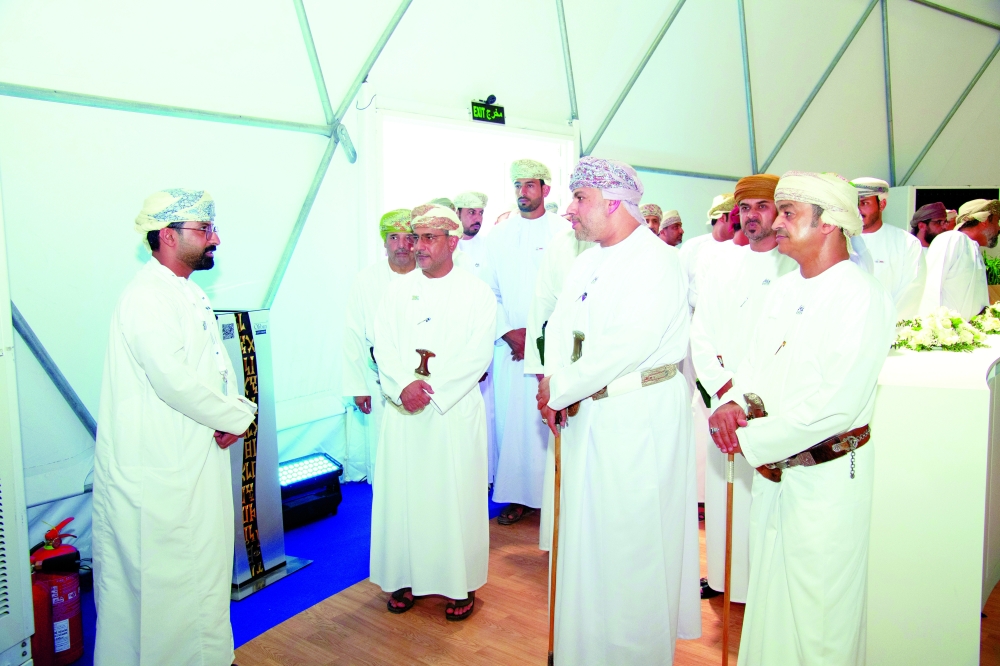
He said Dhofar possessed strong potential in renewable energy, green hydrogen and mineral resources, supported by the governorate’s strategic location and developed infrastructure, which could help attract projects and investment, localise industries and create sustainable added value.
Oman’s production of crude oil and condensates averaged 1.0021 million barrels per day (bpd) in 2025, while exports averaged 843,700 bpd. The country held an estimated 4.728 billion barrels of crude oil and condensate reserves, according to the ministry’s sector indicators.
Natural gas production averaged 151.2 million cubic metres per day and liquefied natural gas exports totalled 11.3 million metric tonnes. The oil and gas sector recorded an Omanisation rate of 91.6 per cent.
These figures give context to the oil and gas sections, which trace the industry from geological surveys, exploration and drilling to production, processing, transportation, refining and manufacturing. Rather than presenting a barrel of oil as the final product, the exhibition shows how hydrocarbons enter wider economic chains, including construction, healthcare, communications, transport and industrial manufacturing.
The location gives that message added weight. Dhofar is not only hosting a seasonal public event; it holds specific assets in electricity transmission, renewable energy, hydrogen and minerals that feature in the ministry’s plans for the sector’s next phase.
A 400-kilovolt transmission project linking Al Duqm with the Dhofar electricity network was reported by the ministry to be 87 per cent complete, with completion scheduled for October 2026. The project is intended to integrate Oman’s northern and southern power systems, improve electricity security and provide greater flexibility as new generation is added.
The 50 MW Dhofar Wind Farm at Harweel is in operation, while additional wind sites in Dhofar, including Sadah and Shaleem, and at Al Duqm feature in the project pipeline to 2031. A separate scheme to supply the Hallaniyat Islands with renewable power and battery storage is due to be tendered during 2026.
Salalah is also one of three broad areas — alongside Al Duqm and Al Jazir — where awarded green-hydrogen projects are concentrated. In minerals, ministry material describes Oman as holding the world’s largest commercially exploitable gypsum reserves, with major deposits in Thamrait, Shaleem and Hallaniyat Islands, alongside limestone and marble resources in Dhofar.
Oman Observer is now on the WhatsApp channel. Click here