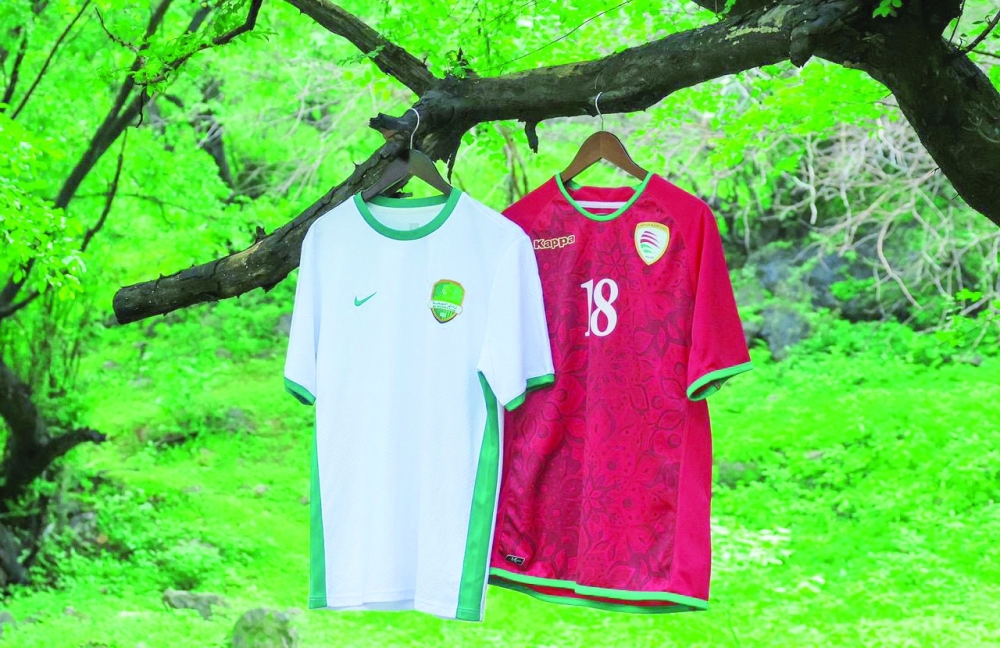





MUSCAT: With its cool monsoon climate, lush green mountains and breathtaking coastline, Dhofar Governorate has long been regarded as one of Oman's premier tourism destinations during the annual Khareef season. Increasingly, however, former Omani football stars believe the governorate has the potential to establish itself as a leading regional destination for international sports training camps - provided significant investments are made in sporting infrastructure and support services.
As Gulf clubs continue to spend substantial budgets on pre-season camps in Europe every summer, former national team players and coaches believe Dhofar possesses many of the natural advantages needed to compete for that market. They argue that with upgraded facilities, modern accommodation tailored for elite athletes and a comprehensive marketing strategy, Salalah could attract clubs and national teams from across the Gulf, Asia and even Europe.
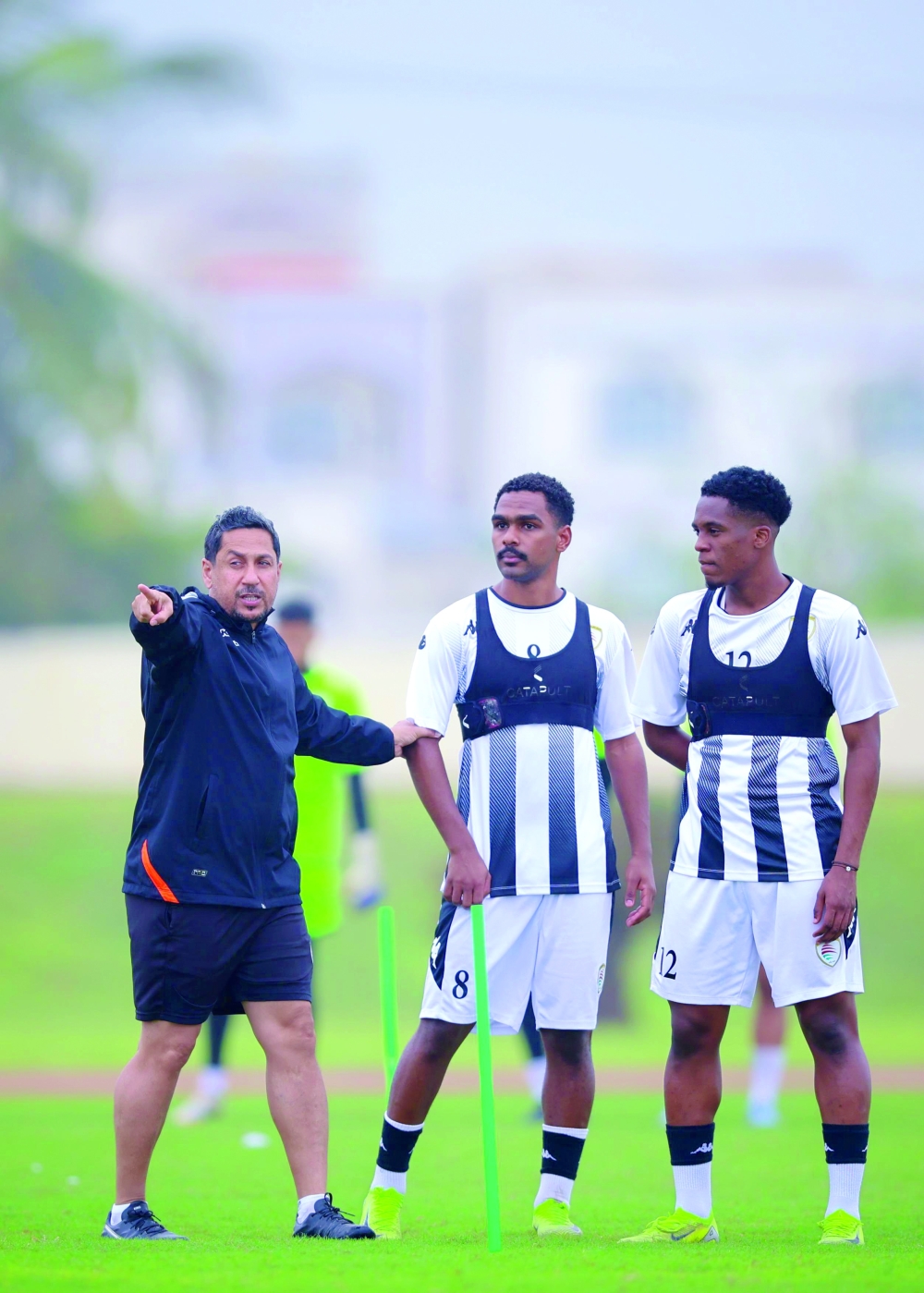
Speaking to the Observer, several former Oman internationals and experienced coaches highlighted both the strengths that make Dhofar unique and the improvements required to transform the governorate into an internationally recognised sporting destination. Among the strongest assets repeatedly highlighted was the region's exceptional climate. While temperatures soar across much of the Gulf during July and August, Salalah enjoys mild weather, mist-covered mountains and pleasant conditions that are ideal for outdoor training.
Major destination
Former Oman national team coach Younis Aman, one of Dhofar's most respected football figures, believes the governorate has already demonstrated its potential in the past. "I have always believed that Salalah possesses everything needed to become a major destination for football training camps," he said.
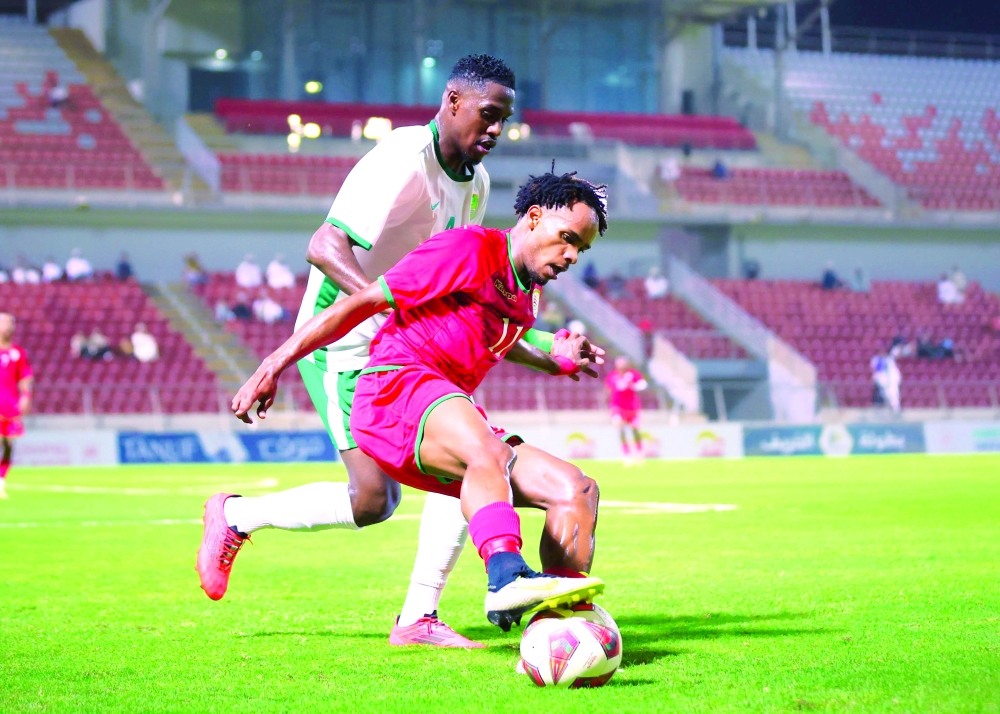
During his years working within the Ministry of Culture, Sports and Youth, Aman was closely involved in efforts to attract regional clubs to the governorate. "Over the years, we welcomed several clubs from the Gulf, including Al Ain and Al Sharjah from the UAE. I had the opportunity to follow their preparations closely and witness how much they appreciated the environment and weather."
He also recalled efforts to bring more prestigious clubs to Oman. "We extended invitations to clubs such as Al Hilal, and I was part of the organising committee of the Salalah International Friendly Tournament, which was launched in 1999. Those experiences proved that Dhofar is capable of hosting quality football events."
According to Aman, Salalah has also welcomed European teams in previous years. "There were Austrian clubs that chose Salalah for their preparations, while many Gulf youth teams and national sides have also held camps and participated in tournaments here."

Despite those positive experiences, Aman believes Dhofar has yet to maximise its enormous potential. "Today, many Gulf clubs continue travelling to Europe for their pre-season camps. These trips require significant financial commitments and usually involve international agencies. Salalah offers a closer and potentially more economical alternative, particularly during July and August when the weather is exceptional."
He stressed that infrastructure must now become the priority. "We need more hotels that meet the professional standards expected by football clubs. We also require additional football pitches, modern training facilities and continuous development of the sporting infrastructure. Media coverage is equally important because international exposure plays a major role in attracting clubs."
Practical progress
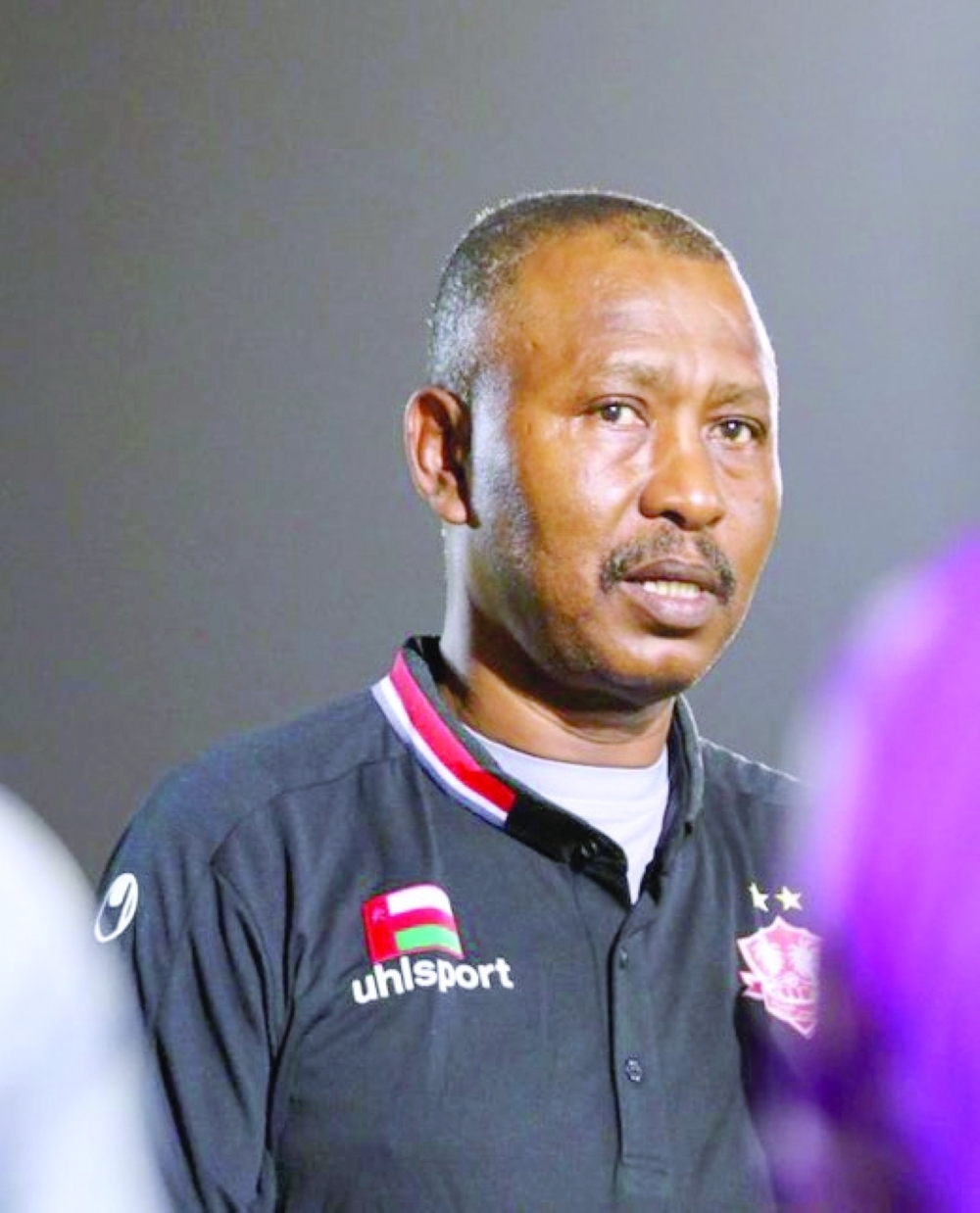
Former Oman international Fawzi Basheer echoed those views, saying discussions about sports tourism in Dhofar have continued for years without sufficient practical progress. "Every year we talk about the same subject, but unfortunately the available opportunities have not yet been fully utilised," Basheer said.
He believes the governorate's climate alone should make it one of the region's leading destinations. "The weather is one of the biggest attractions for any football team planning a summer training camp. However, climate alone is not enough."
According to Basheer, elite clubs now expect a complete high-performance environment. "Professional teams require fully equipped gyms, recovery facilities such as saunas and jacuzzis, quality hotels and training grounds prepared to international standards."
He noted that some existing facilities still require significant improvement. "Several stadiums and sports venues in Salalah lack important supporting facilities. In some cases, the quality of the natural grass pitches is not at the required level, which naturally raises concerns about player injuries."
For Basheer, investment in sporting infrastructure should now become a strategic priority. "We need greater investment in football facilities and high-quality pitches because they represent the foundation of any successful sports tourism project."
Integrated sports ecosystem
Former Oman national team player Hamdi Hobees believes Dhofar's future lies in creating an integrated sports ecosystem rather than focusing solely on stadium construction. "Dhofar possesses outstanding natural assets, but it still lacks a comprehensive sports ecosystem that combines infrastructure, medical services, technical support, organisation and international marketing," he explained.
"Once these elements are brought together, Dhofar will be capable of competing with some of the world's most recognised training camp destinations."
Hobees emphasised that infrastructure remains the first consideration for visiting clubs. "Professional teams always begin by evaluating the available facilities. We need Fifa-standard training grounds, modern indoor sports halls and a specialised sports medicine centre capable of supporting elite athletes."
He added that access to quality opposition is equally important. "Clubs also need opportunities to play friendly matches against strong opponents during their camps. That means building an annual calendar that attracts several clubs simultaneously."
One of Hobees' key proposals is the creation of a permanent international football festival linked to the Khareef season. "We should establish an annual football tournament during the Khareef season where clubs can register every year. This would gradually become part of the regional football calendar."
He also believes such an event could extend beyond competitive matches. "Alongside the tournament, we could organise coaching and refereeing courses, sports conferences and even women's football competitions. That would create a complete sporting festival rather than simply hosting isolated training camps," he said.
Oman Observer is now on the WhatsApp channel. Click here