




GENEVA: More than two-thirds of Gazans could face acute hunger by the year-end as humanitarian agencies cut aid flows due to funding shortages, a global hunger monitor said on Wednesday. The latest assessment by the Integrated Food Security Phase Classification found that acute malnutrition levels, particularly among children, had declined significantly after food supplies and nutrition services were stepped up following the October 2025 ceasefire between Israel and Hamas.
However, it said those gains risk being reversed.
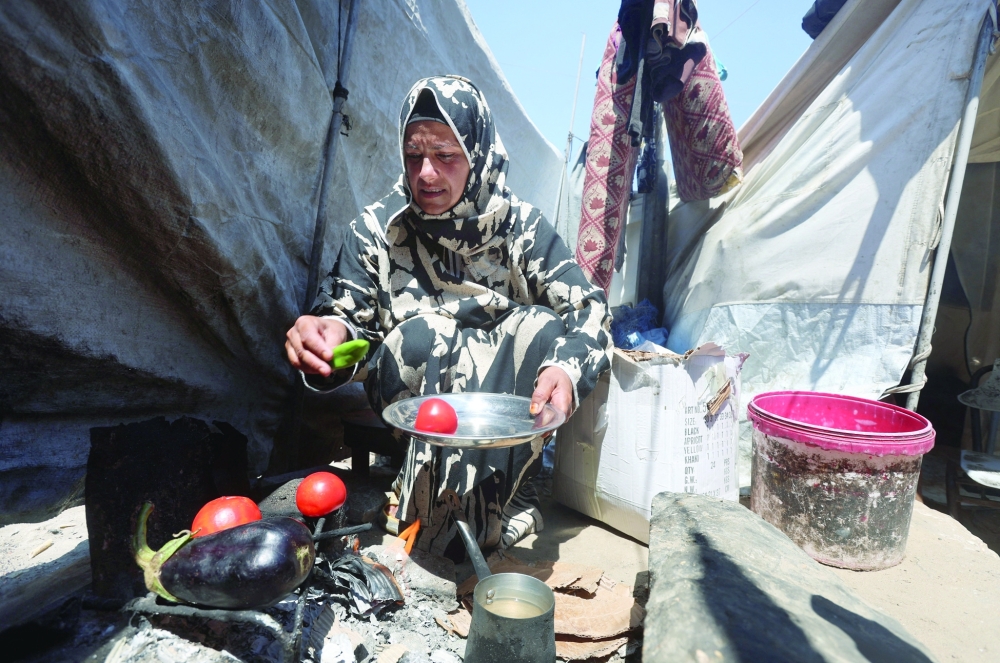
Food consumption remains inadequate for most families, and some households resort to begging and scavenging for food, the report said.
Between mid-April and the end of June, more than 1.2 million people, or about 59 per cent of Gaza's population, faced acute hunger - defined as crisis-level or worse - including around 212,000 people in emergency conditions, the IPC said.
That level is expected to rise to more than 1.4 million people, or 67 per cent by December.
After two years of war and the displacement of nearly all of the population, the majority of Gazans depend on aid supplies.
The global hunger monitor said in December that parts of Gaza were no longer experiencing famine conditions, reversing its August finding. It now warns those gains are at risk as the scale of assistance begins to decline.
Supplementary feeding programmes for pregnant and breastfeeding women halved the number of people they serve to 6,000 between January and May this year.
Further aid reductions were likely due to funding shortfalls and uncertainty over aid groups' access.
Israel rejected the IPC's August findings and has consistently rejected allegations that it pursued a policy of starvation in Gaza, though it recognised there was a food shortage at that time. It has previously said sufficient aid was allowed into the enclave during the war. COGAT, the Israeli military arm that oversees aid flows into Gaza, dismissed the IPC report as biased. It said large quantities of food, water and medical supplies had entered Gaza since the ceasefire and accused Hamas of diverting and looting aid supplies.
The Israeli government did not immediately reply to a Reuters request for comment. Aid agencies have also warned that Gaza is facing an unprecedented collapse of its water and sanitation systems.
The war began when Hamas-led fighters attacked southern Israel, killing 1,200 people, mostly civilians, and taking 251 hostages, according to Israeli tallies. Israel's subsequent offensive has killed more than 73,000 Palestinians, mostly civilians, say Gaza health officials. — Reuters
Oman Observer is now on the WhatsApp channel. Click here