




SALALAH: The Civil Defence and Ambulance Authority (CDAA) has stepped up its operational readiness for the Khareef Dhofar by implementing a comprehensive field response plan aimed at ensuring the safety of residents and the growing number of visitors flocking to the governorate during the annual monsoon.
The plan includes the deployment of strategically located emergency response points along the main route leading to Dhofar, from Hamra Al Duru to Salalah, in addition to enhanced coverage along the coastal road. The measures are designed to reduce emergency response times and ensure rapid intervention in the event of accidents or incidents.
The Authority has also reinforced its civil defence centres across the governorate with additional personnel and specialised firefighting, rescue and ambulance vehicles. Advanced response units have been established at key locations, including Wadi Harit and Shaabat Saeed, to provide faster access to areas experiencing high visitor traffic during the khareef season.
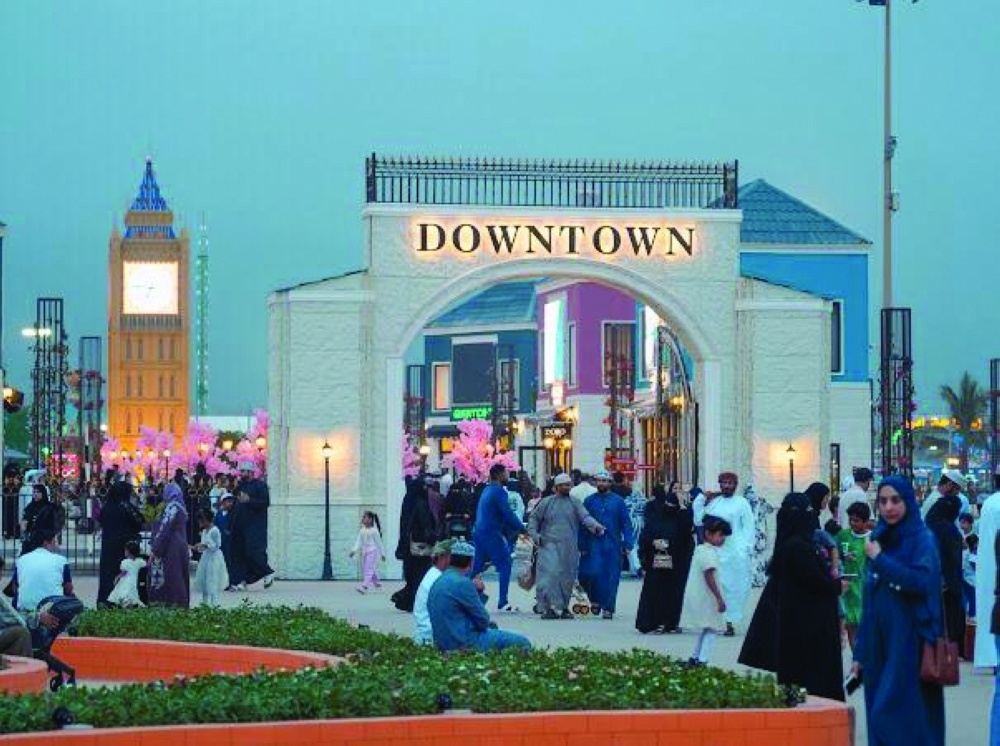
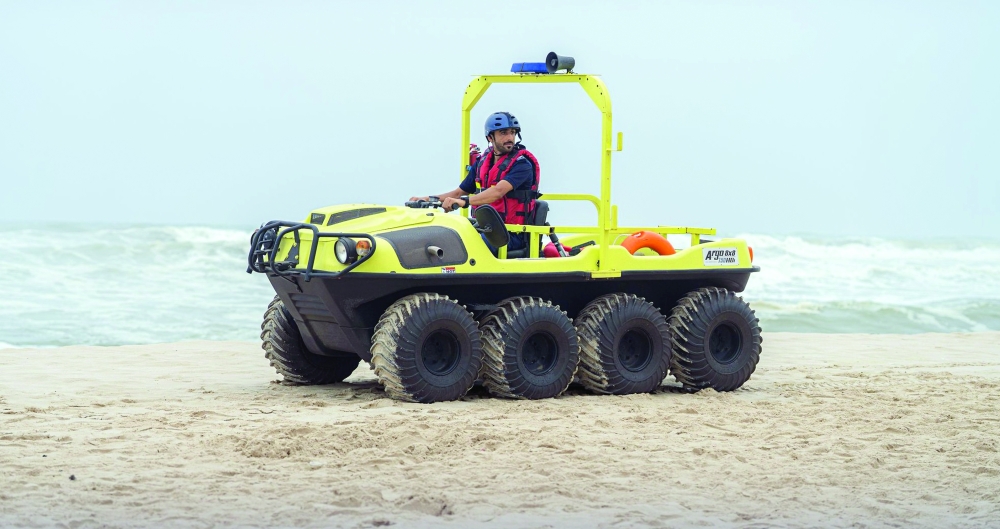
As part of its operational strategy, the CDAA has deployed mobile patrols to major tourist attractions and other high-footfall areas. These teams are staffed by specialists trained in water rescue and first aid, enabling them to respond immediately to emergencies in natural and recreational sites.
Preventive measures have also been intensified through an extensive inspection programme carried out by the Public Protection and Safety Department. The inspections cover hotels, resorts, tourist facilities and entertainment venues to verify compliance with fire safety regulations and preventive requirements, helping to ensure a safe environment for visitors throughout the season.
Lieutenant Yousef bin Salim al Mashykhi, Officer at Awqad CDAA, said the Authority's preparedness reflects a comprehensive plan developed to accommodate the sharp increase in visitor numbers during the khareef season.
He noted that while Dhofar's unique landscapes and cool climate attract thousands of tourists each year, the season also presents natural hazards that require heightened public awareness. These include rough sea conditions, with waves occasionally reaching four to five metres, strong rip currents, slippery cliffs and waterfall basins that can become particularly dangerous during periods of rainfall and persistent drizzle.
Dense fog, another defining feature of the khareef season, can significantly reduce visibility on roads, making cautious driving essential. Motorists are urged to slow down, maintain safe following distances and remain vigilant, while families are advised to keep children under close supervision, particularly near springs, waterfalls and other potentially hazardous locations.
Al Mashykhi said, "We urge everyone to follow safety instructions, avoid swimming or approaching the sea during periods of high waves, and stay away from hazardous locations. Public cooperation and adherence to safety guidelines are essential to ensuring that everyone enjoys a safe and memorable khareef season in Dhofar."
Oman Observer is now on the WhatsApp channel. Click here