




MUSCAT, JULY 7
Oman is stepping up its long-term strategy to maximise recovery from its mature oil fields through a new national research initiative focused on Enhanced Oil Recovery (EOR) technologies.
The initiative, announced earlier this week by the Research and Innovation Authority (RIA) in partnership with the Ministry of Energy and Minerals, underscores the growing importance of advanced extraction methods in sustaining the country’s hydrocarbon output under Oman Vision 2040.
It sets out a comprehensive framework to fund and guide scientific research into technologies that can unlock significant remaining oil reserves trapped in complex and tight reservoirs across the Sultanate.
Titled “Technological Advancements in Enhanced Oil Recovery: A Framework for Maximizing Hydrocarbon Recovery in Oman,” the programme recognises that many of Oman’s producing fields have entered a mature phase, where traditional primary and secondary recovery methods are no longer sufficient to maintain output levels.
Officials said advancing EOR is now a “technical and economic necessity,” rather than an optional strategy, as Oman seeks to optimise production from existing assets instead of relying solely on new discoveries. The approach aligns with national priorities to improve resource efficiency, support fiscal stability, and balance long-term decarbonisation objectives.
According to the Authority, Oman’s geology presents both opportunity and challenge, with heavy oil reservoirs in the south and light oil in fractured carbonate formations in the north. The initiative highlights that advanced techniques such as thermal injection, miscible gas injection, and chemical EOR will be central to improving the ultimate recovery factor across fields.
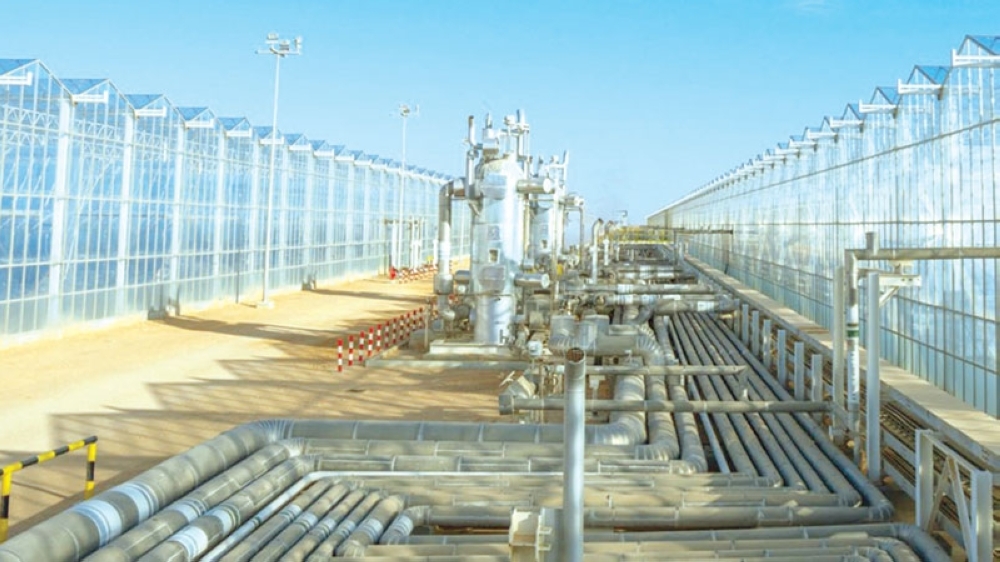
A key pillar of the programme is the evaluation of CO₂-based EOR, including its integration with carbon capture, utilisation and storage (CCUS) systems. The research framework will also explore the potential for coupling EOR operations with renewable energy sources, particularly solar thermal technologies, to reduce reliance on gas-fired steam generation and lower the carbon intensity of production.
Digital transformation is another core component, with the initiative calling for the development of machine learning models and real-time reservoir monitoring systems to optimise injection strategies and improve production forecasting. The use of artificial intelligence is expected to enhance operational efficiency and support more precise reservoir management.
The research programme also places strong emphasis on techno-economic evaluation, requiring studies to assess capital and operating costs, emissions reduction potential, and overall economic viability under varying oil price scenarios.
Importantly, the initiative seeks to strengthen In-Country Value (ICV) by encouraging participation from Omani SMEs in supplying chemicals, sensors, maintenance services, and other supporting technologies needed for advanced EOR deployment.
Officials noted that collaboration with industry stakeholders, including major operators such as PDO and OQ, will be essential in building a national EOR database and developing field-specific solutions tailored to Oman’s diverse reservoir conditions.
The Authority said the programme will ultimately deliver a national roadmap for EOR deployment, identifying priority technologies, field applications, and investment opportunities to support the next phase of Oman’s upstream energy development.
Oman Observer is now on the WhatsApp channel. Click here