




SALALAH, JUNE 28
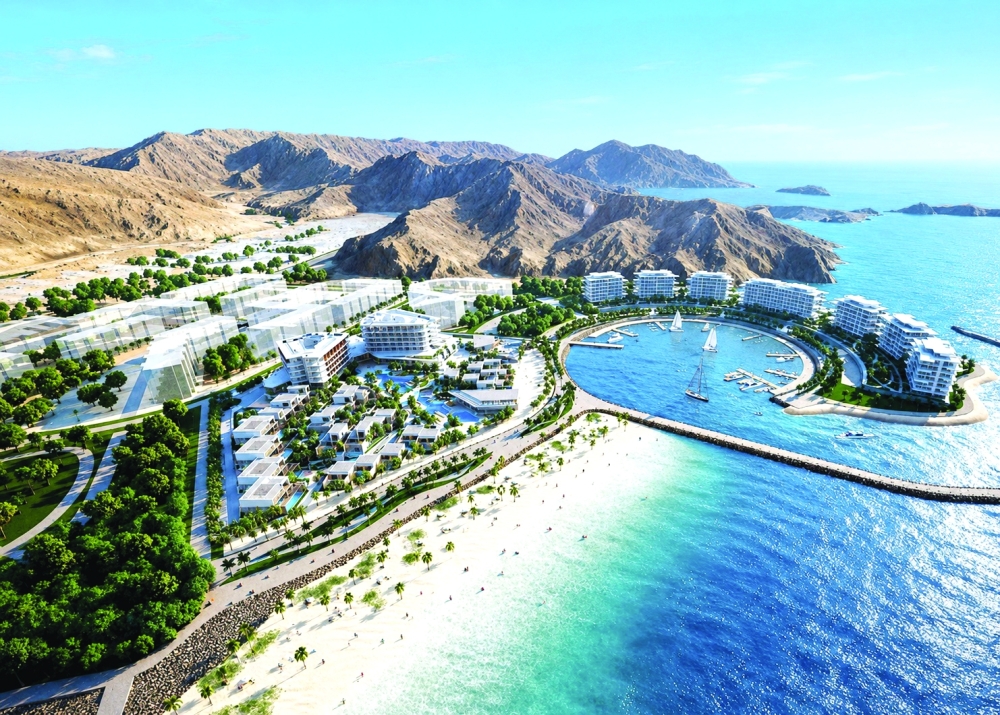
Dhofar Governorate has 36 tourism projects under development, including 23 that have already entered construction, as the governorate moves to expand its hospitality base ahead of another busy Khareef season, an industry expert familiar with the sector told the Observer.
The remaining 13 projects are going through administrative and financing procedures before implementation begins, the expert said, pointing to a growing pipeline of tourism investment in one of Oman’s most visited governorates.
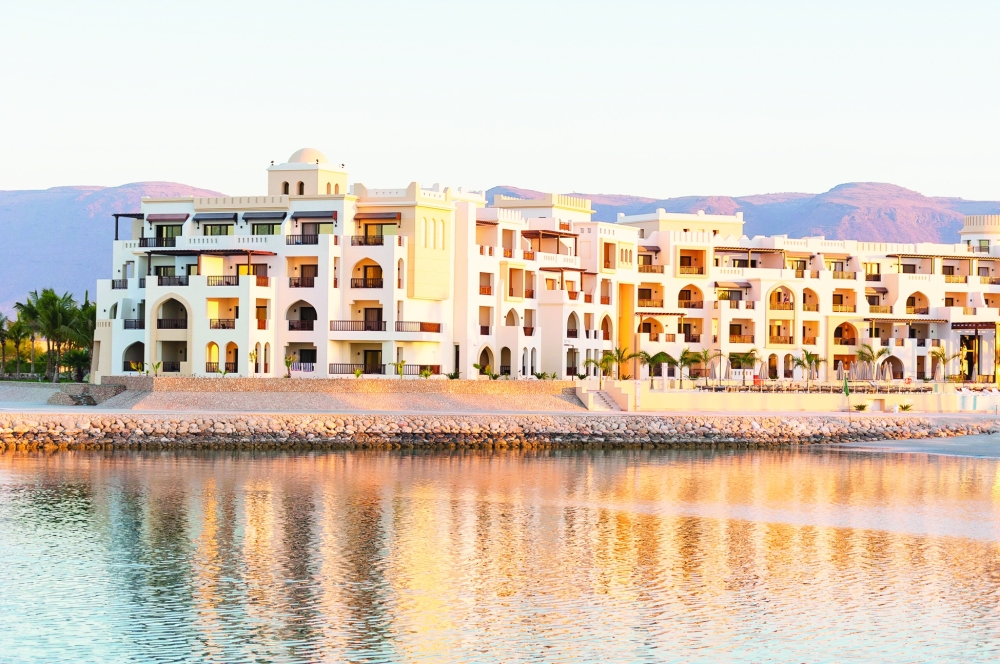
Dhofar now has 123 licensed hotel establishments offering more than 8,400 rooms, the expert added. The figures highlight the steady expansion of the governorate’s formal accommodation market at a time when seasonal demand continues to test capacity, prices and service standards.
The growth comes as Dhofar looks to ease pressure on accommodation during the monsoon months while laying the groundwork for a more active tourism economy beyond Khareef.
For decades, Khareef has defined Dhofar’s tourism identity. The cooler weather, mist-covered mountains and green landscapes draw visitors from across Oman and the Gulf, turning Salalah and nearby wilayats into the country’s busiest summer destination.
But the latest project pipeline suggests a wider shift is under way. Investment is no longer focused only on preparing for the peak season. It is increasingly tied to accommodation, leisure, services and visitor experiences that could support tourism across more months of the year.
The rise in licensed rooms is especially important during peak Khareef weeks, when demand for hotels and apartments can increase sharply. More licensed establishments give visitors clearer accommodation options and give regulators a stronger base to monitor pricing, standards and bookings.
The economic effect also extends beyond hotels. A larger hospitality market feeds demand for restaurants, transport operators, tour guides, laundry services, cleaning companies, maintenance firms, food suppliers, event organisers and small businesses.
For Dhofar, the issue is no longer whether it can attract visitors during Khareef. The governorate has already established itself as Oman’s leading seasonal destination. The harder task is to turn high visitor numbers into stronger spending, longer stays and more consistent business activity across the year.
Industry observers say opportunities beyond Khareef remain underdeveloped. The Sarb season, winter tourism, eco-tourism, heritage sites, coastal attractions, mountain routes and family entertainment all offer room for growth if supported by stronger infrastructure and better visitor services.
Execution will be critical. Projects still awaiting administrative or financing clearance will need to move forward without long delays, while those already under construction will have to meet the standards expected by visitors and investors.
The real test is not the number of projects announced, but whether they improve the experience on the ground — from accommodation and access to public facilities, transport, cleanliness, safety, entertainment and digital booking services.
That test matters because strong Khareef occupancy alone is not enough to build a resilient tourism economy. Hotels and tourism assets need activity outside the peak season, supported by events, packages, conferences, sports, cultural programming and regional weekend travel.
The direction is closely aligned with Oman Vision 2040, which identifies tourism as a key sector for diversification, employment and regional development.
Oman Observer is now on the WhatsApp channel. Click here