




SALALAH, JUNE 22
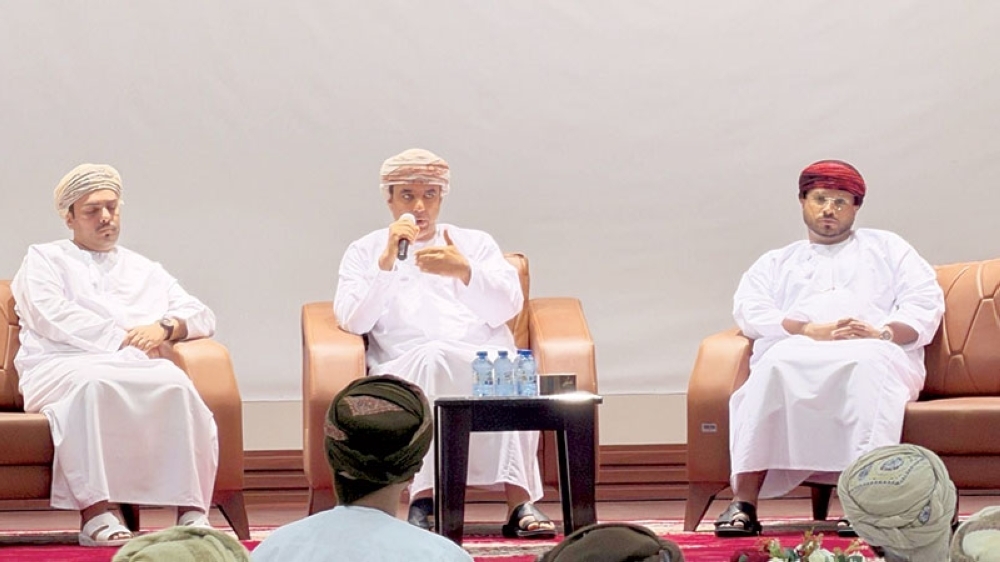
Oman’s residential land-grant process is being pushed towards a more disciplined model that asks a practical question before allocating land: is the beneficiary ready to build? That was the central message of a Ministry of Housing and Urban Planning presentation delivered during an awareness seminar held on Monday at the multipurpose hall of the Office of the Wali of Taqah.
The seminar, titled “Together Towards Sustainable Housing and Urban Planning Services”, was organised by the Directorate-General of Housing and Urban Planning in Dhofar under the auspices of Eng Khuwaidem bin Mohammed bin Salim al Maashani, member of Majlis Ash’shura representing the Wilayat of Taqah.
The presentation outlined a shift from a land-grant process shaped largely by waiting lists, manual draws and in-person procedures towards a digital route that allows eligible citizens to select land plots or housing units electronically and complete payments through digital channels.
The most significant change is the weighting of eligibility criteria. Financial ability accounts for 50 per cent of the total assessment score, followed by priority of application at 30 per cent, family social status at 10 per cent and the applicant’s age at 10 per cent.
The weighting gives the system a clearer policy purpose: land allocation is being linked not only to entitlement but also to the likelihood that a granted plot will become a completed home.
Ahmed al Maashani, Director of the Lands Department at the Directorate of Housing and Urban Planning in Dhofar, told the Oman Observer that the digital transformation of land services is not merely a technical change.
“It is not just about moving a transaction from paper to a platform,” he said. “It is about reorganising the full journey of the beneficiary — from application to selecting the land plot or housing unit and completing payment electronically — through clearer and more transparent standards.” He said giving financial ability the highest weight in the assessment reflects a direction aimed at ensuring that granted land is used effectively and converted into completed homes, rather than remaining unused for long periods.
“The priority of application remains important, but the system must also ask whether the beneficiary is ready to build and benefit from the land,” he added.
According to the presentation, the previous route involved submitting applications by post, notifying beneficiaries when their turn arrived, conducting manual draws and completing payment in person. The digital process replaces this with electronic selection and payment, reducing the need for repeated visits and making the beneficiary’s options clearer.
The model also introduces firmer timelines after allocation. Beneficiaries are given three months to complete payment procedures. If payment is not completed, the application is deferred for one year.
Land is first granted under a temporary title deed for three years, which may be extended for one additional year. A final title deed is issued only after the housing unit is completed. If construction is not completed within the specified period, the plot allocation is cancelled and the application is deferred for one year.
The ministry also reviewed a set of housing options designed to give citizens different routes depending on location, need and financial readiness. These include Future Cities, Plan Your Land, Sorouh Schemes, Choose Your Land, Acquire Your Land, Replace Your Land and Sorouh Projects.
Under the “Choose Your Land” service, citizens whose turn has arrived through electronic sorting can select an available residential plot in or near their place of permanent residence. The service uses interactive geographic maps showing the plot location and details, with the selection link remaining available for five days.
The “Acquire Your Land” service allows eligible citizens to obtain a premium plot at a government-supported price, with support ranging from 20 to 40 per cent, without waiting for their turn, in fully serviced schemes.
Updated controls also allow two eligible beneficiaries to share one plot, with support doubled for joint plots, provided the shared land area is not less than 600 square metres.
The seminar was attended by the Director-General of Housing and Urban Planning in Dhofar, the Deputy Wali of Taqah, officials, shaikhs and dignitaries of the wilayat, and citizens interested in housing and urban planning services.
The programme included working papers on housing services, Salalah Future City, Sorouh projects and services provided by the Taqah Housing Office. It concluded with an open discussion session on public questions and comments related to housing and urban planning.
For Dhofar, the message was clear: the future of land allocation is not only about granting plots but about ensuring that those plots are selected transparently, paid for digitally and turned into homes.
Oman Observer is now on the WhatsApp channel. Click here