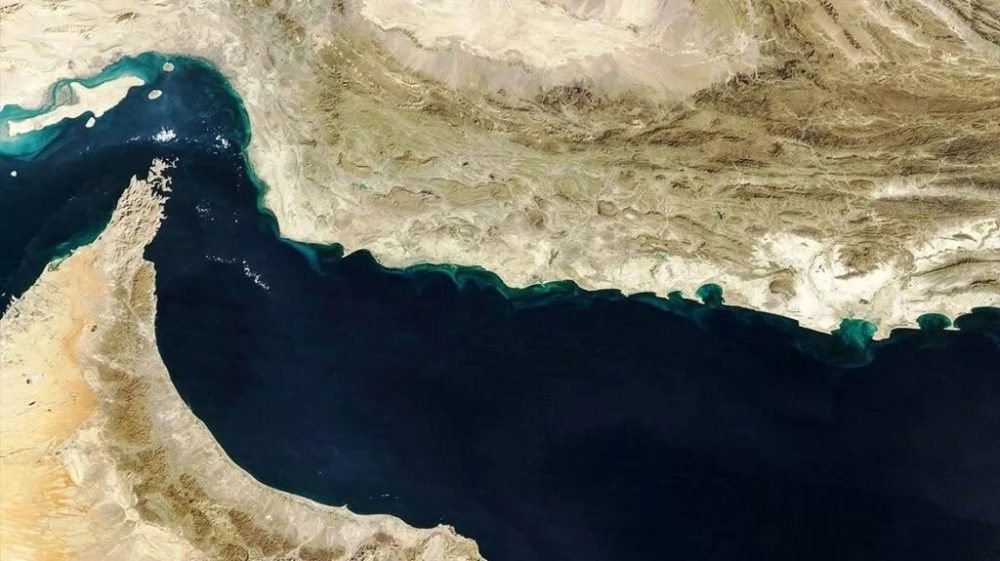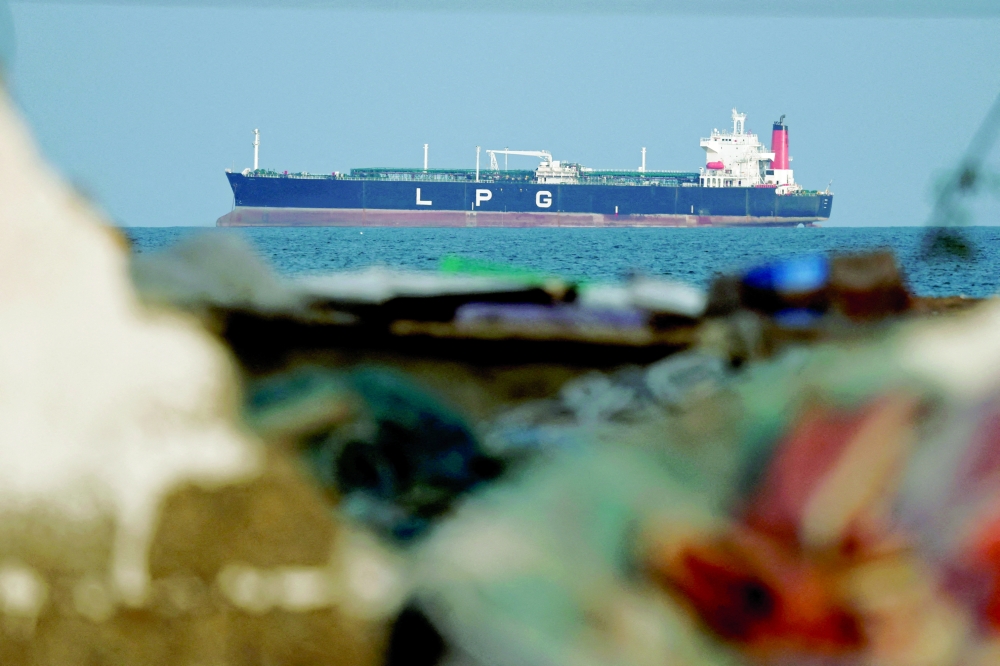





PARIS: A French-flagged LNG tanker left the Gulf through the Strait of Hormuz on Thursday, a tracking platform said, as an agreement to end the US-Iran war paved the way for the key passage's reopening. The liquefied natural gas vessel (LNG) the Mraikh, owned by the Nantes-based subsidiary of Norwegian company Knutsen OAS Shipping, was the first such French vessel to make the transit since the start of the Iran conflict on February 28. It was carrying 76,535 tons of LNG, which it loaded in Ras Laffan, Qatar, and was bound for Port Qasim, Pakistan, according to the MarineTraffic platform operated by data firm Kpler, which tracks cargo ships.
The carrier began moving on Wednesday around 20:00 GMT, according to the ship's AIS transponder signal published on MarineTraffic. That was roughly at the time that it was announced US President Donald Trump had signed a memorandum of understanding in which Tehran committed to immediately reopening the strait. Only 15 LNG carriers, including the Mraikh, have left the Gulf with a cargo since the start of the conflict, according to Kpler. They were all carrying either Qatari LNG, like the Mraikh, or Emirati LNG. "LNG operators have remained highly cautious about transiting the strait given the high value of the vessels and the relatively limited size of the global LNG fleet," Laura Page, an analyst at Kpler, said in early May.
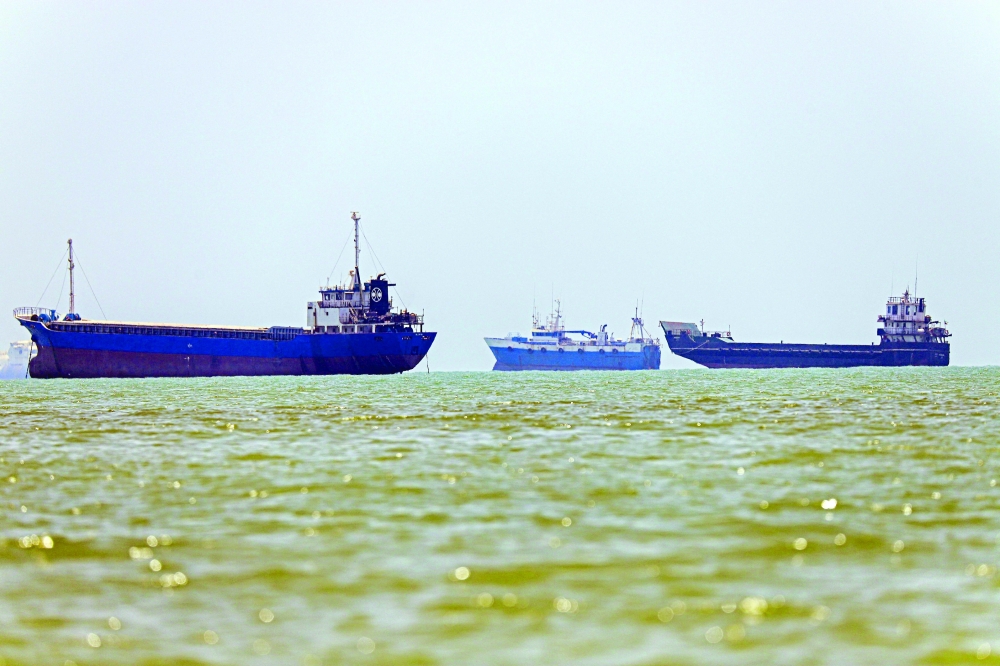
Traffic in the strait appeared to have accelerated on Thursday, with numerous ships seemingly transiting the waterway in both directions, according to AIS signals published on MarineTraffic. At 10:30 GMT (early afternoon local time), Kpler had already confirmed six transits by commodity transport vessels, roughly equal to the daily average of the previous seven days.
US President Donald Trump lashed out at critics of his agreement with Iran on Thursday, calling those who accused him of offering concessions to end the war "fools", ahead of negotiations in Switzerland on implementing the deal. Oil prices tumbled after Trump and his Iranian counterpart separately signed their accord to end the Middle East war, with the Strait of Hormuz to reopen but two months of negotiations lying ahead.
In a sudden development after uncertainty over when the deal agreed earlier this week would be formally signed, Trump put his name to it in thick black ink at a candlelit dinner with French President Emmanuel Macron at the Palace of Versailles outside Paris on Wednesday. Macron — for whom the signing at the palace, which hosted the signing of the treaty that ended World War I, was an immense coup following his hosting of the G7 summit — shouted "bravo" as Trump signed. "These fools, who think I haven't been tough enough on Iran, when the Stock Market Just Hit A RECORD HIGH, and Oil prices are 'tumbling' down, are either jealous, bad people, or stupid," Trump posted on social media hours after signing the deal.
Iranian President Masoud Pezeshkian also signed the agreement, Iranian foreign ministry spokesman Esmaeil Baqaei said, adding that "now it is time to test the implementation of the agreement". Crude fell more than three per cent on Thursday, extending the losses sustained since news of the deal broke at the weekend.
The deal should bring an end to the current US-Israeli conflict with the Islamic republic, which saw five weeks of all-out war until a ceasefire early April and led to shipping being greatly restricted in the Strait of Hormuz, causing a spike in energy prices. Prime Minister Shehbaz Sharif of Pakistan, which helped mediate the agreement, said it "shall enter into force with immediate effect" and Iran "will instantly reopen the Strait of Hormuz". He also signed the accord. A two-month negotiating period now begins with all eyes on the reopening of Hormuz and if progress can be made in talks over Iran's nuclear programme, which Washington has long suspected of concealing secret bomb-making ambitions.
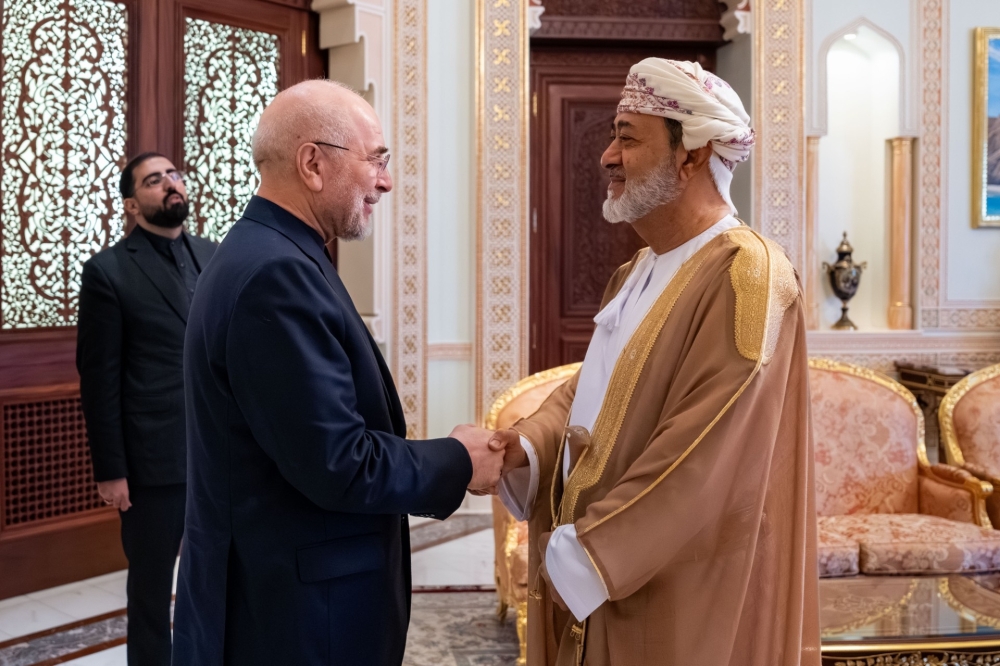
There remained confusion over the next steps, with the accord originally supposed to have been signed at an exclusive mountain-top resort in Switzerland on Friday by Iran's chief negotiator and parliament speaker, Mohammad Bagher Ghalibaf, and US Vice President JD Vance. Baqaei said an in-person ceremony was no longer needed. But Sharif said an official ceremony will take place on Friday in Switzerland and technical talks will commence.
Under the text, Washington commits to immediately waive oil sanctions crippling Iran's economy. And, once a final agreement is reached on Iran's nuclear programme, the United States will also facilitate the release of a $300 billion reconstruction fund supported by regional nations, the deal says. Trump said at the G7 that he was prepared to "bomb the hell" out of Iran if they violated the agreement.
But US Senator Bill Cassidy from Trump's Republican Party described it as the "worst foreign policy blunder in decades". "Iran's nuclear ambitions were not curbed, and they have learned that threatening the Strait of Hormuz works," he said. Even Fox News, the usually Trump-friendly news channel, cited critics who said the agreement gave Iran "huge financial benefits" without requiring the dismantlement of its nuclear programme. — AFP
Oman Observer is now on the WhatsApp channel. Click here