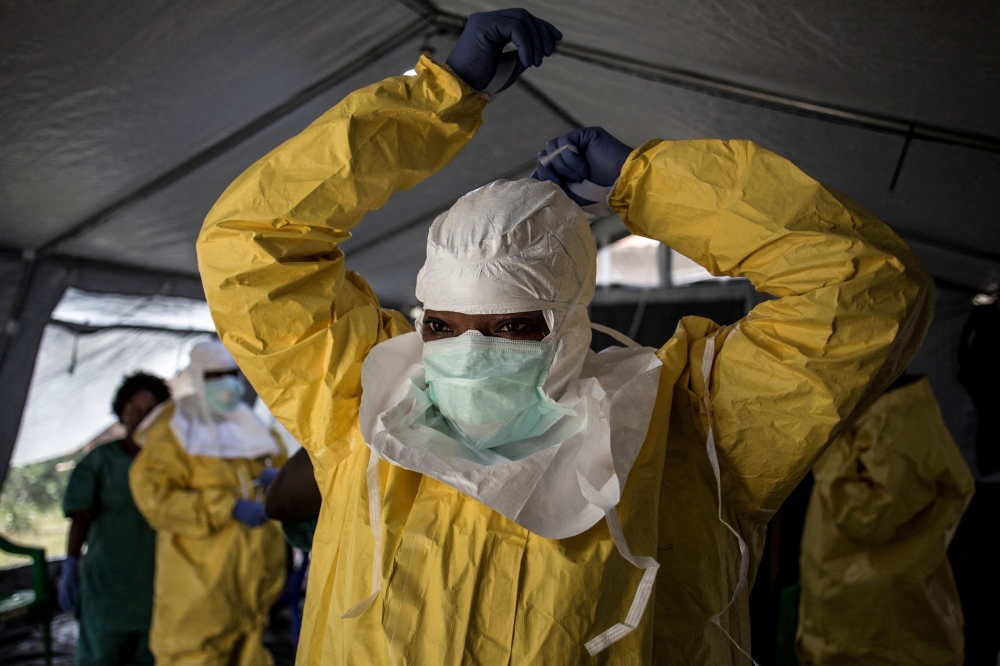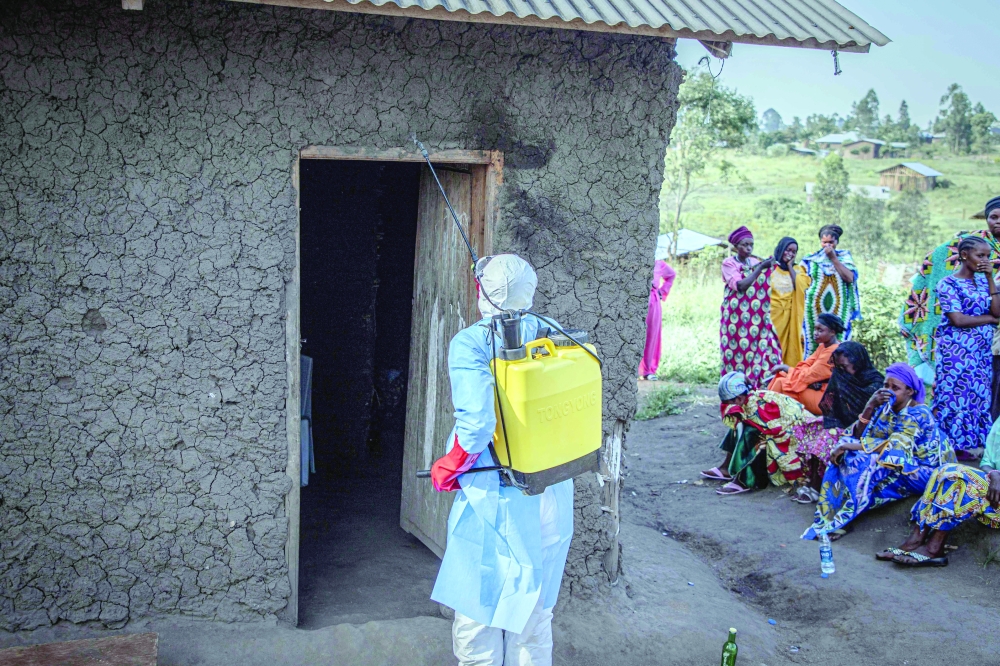





GENEVA: The deadly Ebola outbreak in the Democratic Republic of Congo has not yet reached its peak, the Red Cross said on Tuesday, warning it could take a year to halt the spread. Since the outbreak was declared in the DRC on May 15, 808 cases have been confirmed in the country, including 192 deaths, according to the World Health Organization.
Speaking from Bunia, the capital of Ituri — the northeastern province which is the outbreak's epicentre — a top official from the International Federation of Red Cross and Red Crescent Societies said the crisis appeared far from over. "Here in Bunia, what I can see is that we did not reach the peak of the epidemic," Bruno Michon, the IFRC's operations manager for the Ebola outbreak, told reporters in Geneva by video call.
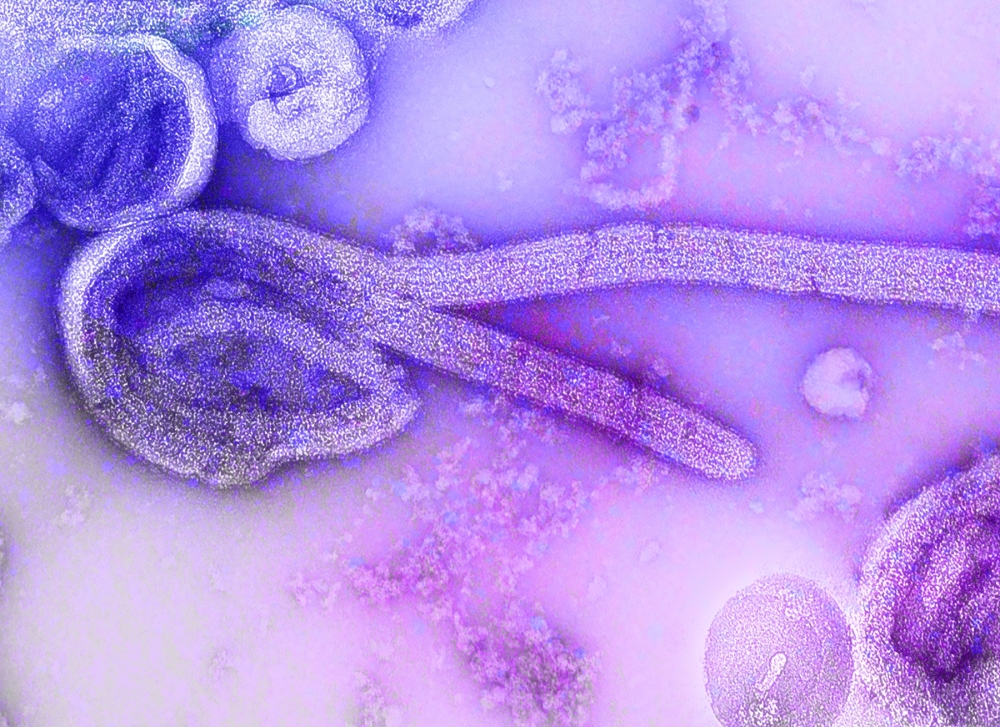
Like a number of other organisations working on the Ebola response on the ground, he said the IFRC was concerned about a dire lack of testing capacity, warning: "it's very difficult to know exactly to what extent the epidemic is spreading". "The peak is, I think, not beyond us, but in front of us," he said, adding: "We are afraid that this could last one year" before ending the outbreak. No approved vaccines or treatments exist for the Bundibugyo strain of the virus responsible for the current outbreak, which although centred in Ituri, has also been detected in North Kivu and South Kivu provinces.
The outbreak has also spread to neighbouring Uganda, which to date counts 19 confirmed cases, including two deaths. In the DRC especially, Michon warned that reining in the outbreak would require large efforts in gaining the trust of the affected communities. "To stop this outbreak, we need to invest not only in medical response, but also in trust, local volunteers, community engagement and operational access," he said. He pointed out that "in recent days, DRC Red Cross volunteers have faced verbal abuse, threats and even physical attacks while carrying out their work". "Trust is not a secondary activity in an Ebola response. Trust is central. Without trust, we cannot detect cases early. We cannot ensure safe burials. We cannot protect families. And we cannot stop transmission," he said.
"Dangerous gaps" remain in efforts to rein in an Ebola outbreak that has killed more than 180 people in the Democratic Republic of Congo, Doctors Without Borders warned. Despite a massive scale-up in the response to the deadly outbreak declared in the vast central African country on May 15, the medical charity, which goes by its French acronym MSF, said the true scale of the crisis remained unclear. "One month on, the Ebola disease outbreak is outpacing the response effort," Kate White, MSF's emergency medical coordinator in the DRC, said in a statement. "No-one knows the true scale or exactly where the disease is spreading," she said. "What we do know is that most treatment centres in Ituri province are overwhelmed; many of our patients arrive at a late stage of the disease, and the majority were never identified or monitored as contacts before seeking care."
So far, 782 Ebola cases, including 181 deaths, have been confirmed in the DRC, according to the latest figures from the World Health Organization. Another 19 cases, including two deaths, have been confirmed in neighbouring Uganda. MSF warned the true numbers were likely significantly higher. — AFP
Oman Observer is now on the WhatsApp channel. Click here