




MUSCAT, JUNE 14
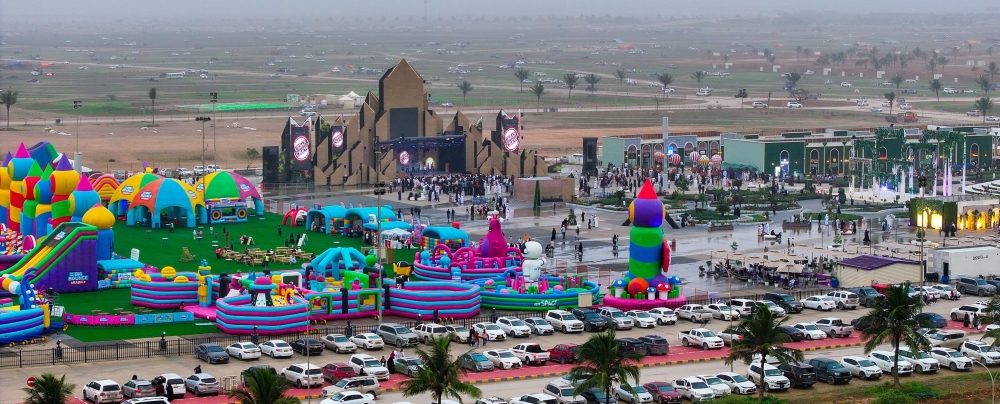
Approved digital platforms have emerged as a cornerstone in managing the Khareef Dhofar 2026 season amid a steady rise in visitor numbers and growing demand for regulated accommodation and tourism services.
With Khareef Dhofar continuing to attract increasing numbers of tourists each year — surpassing one million visitors in recent seasons — authorities are increasingly relying on digital solutions to streamline accommodation bookings, transportation services and tourist experiences while maintaining quality standards and transparency.
To strengthen regulation in the tourism rental market, authorities have approved three local digital booking platforms — Sikka, Masarra and Valop — to oversee accommodation reservations during the season.
The initiative aims to minimise irregular practices and misleading advertisements that may affect visitor experiences and damage the reputation of the destination.
Ahmed bin Mohammed al Ghassani, Director of Quality Control at the Directorate-General of Heritage and Tourism in Dhofar Governorate, said the approved platforms provide a trusted and secure channel for accommodation bookings and rental services.
He cautioned that rentals arranged outside the approved platforms may expose visitors to risks, while property owners violating regulations could face legal action, including possible closure of establishments.
The move aligns with Oman’s broader digital transformation agenda under Oman Vision 2040, which prioritises strengthening the digital economy, improving government service efficiency and advancing tourism as a key economic growth sector.
Digital platforms are helping improve tourism market efficiency by directly connecting visitors with service providers, offering transparent pricing and a wider choice of accommodation options. They also reduce dependence on unlicensed intermediaries, enhancing visitor confidence and encouraging tourism spending within the governorate.
At the same time, the platforms offer opportunities for small and medium-sized enterprises (SMEs) and Omani entrepreneurs involved in accommodation, transport and tourism services by providing access to thousands of seasonal visitors. This contributes to employment generation and boosts local income.
Beyond accommodation services, digital platforms are increasingly playing a wider role by providing real-time updates on tourist attractions, cultural programmes and entertainment activities.
They also support tourist guidance services and assist visitors in planning trips more efficiently, helping ease congestion by distributing tourist movement across multiple locations.
Tourism experts note that the data generated through digital platforms has become an important tool for policymakers, enabling them to monitor occupancy levels, analyse visitor demand trends and identify the most popular destinations. Such insights can help shape future investment decisions and improve tourism infrastructure and services.
With continued investment in digital technologies, Dhofar Governorate is steadily moving towards a more sustainable and efficient tourism model that combines accessibility with high service standards.
This strengthens Dhofar’s position as one of the region’s leading tourism destinations, especially as visitor numbers and tourism spending are expected to continue growing in the coming years.
The growing reliance on digital platforms underscores a broader reality: digital transformation is no longer merely a technological option, but an essential driver of tourism development and economic growth, reinforcing Oman’s position on the regional and global tourism map.
Oman Observer is now on the WhatsApp channel. Click here