
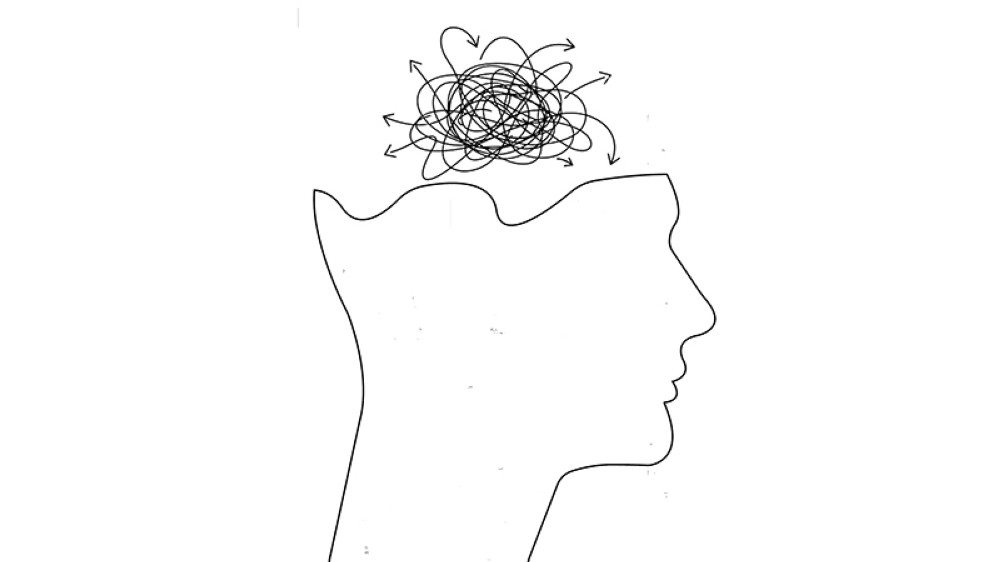





For generations, men have been expected to embody strength, resilience and emotional control. From an early age, many are taught to suppress vulnerability, carry responsibilities without complaint and remain composed regardless of the pressures they face. Yet as conversations around mental health continue to evolve globally, an important question is gaining greater attention: How are men really coping?
Observed in June, Men’s Mental Health Awareness Month serves as a reminder that mental well-being is not a gender issue. While public discussions on mental health have become more common in recent years, many men still struggle in silence, often reluctant to seek support or openly discuss emotional challenges.
Mental health extends far beyond the absence of illness. It encompasses emotional balance, healthy relationships, resilience and the ability to navigate everyday challenges. However, societal expectations often create barriers that discourage men from expressing distress or acknowledging emotional difficulties.
According to mental health specialists, many men experience psychological stress differently from women. Rather than verbalising emotions, they may immerse themselves in work, withdraw socially or internalise their struggles.
“Silence should never be interpreted as well-being,” said Dr Abdulla al Mujaini, a psychiatrist. “Many men have been conditioned to believe that seeking help is a sign of weakness. In reality, recognising a problem and reaching out for support requires courage and self-awareness.”
He noted that men frequently encounter multiple sources of stress, including financial responsibilities, professional expectations and family obligations. While these pressures are not unique to men, societal perceptions often place additional expectations on them to remain emotionally strong regardless of circumstances.
The modern workplace has also become a significant contributor to stress. Long working hours, performance targets, job insecurity and the pressure to maintain financial stability can gradually affect emotional well-being.
Mental health experts warn that chronic stress, when left unaddressed, can contribute to anxiety, burnout, sleep disturbances and a decline in overall quality of life. Yet many men delay seeking professional help until symptoms become severe.
Family counsellor Noorah Bint Abdulla believes that social stigma remains one of the biggest obstacles preventing men from accessing mental health support.
“Despite growing awareness, there is still a perception in some communities that emotional vulnerability is incompatible with masculinity,” she said. “This misconception prevents many men from speaking openly about their struggles or seeking professional guidance when they need it.”
She emphasised that mental health should be treated with the same importance as physical health, noting that early intervention can make a significant difference in preventing more serious psychological difficulties.
Experts point out that warning signs are often overlooked. Persistent irritability, changes in sleeping patterns, social withdrawal, loss of motivation and difficulty concentrating may all indicate underlying mental health concerns. Recognising these signs early can help individuals access support before challenges escalate.
Beyond professional assistance, strong social connections remain a crucial protective factor. Friends, family members and colleagues can play an important role by creating safe spaces for open conversations and encouraging help-seeking behaviour without judgement.
The role of families is particularly important. Mental health professionals stress that supportive home environments foster emotional resilience and enable individuals to communicate their concerns more freely. A culture of listening, understanding and empathy can significantly improve psychological well-being.
At the same time, awareness campaigns across schools, workplaces and community organisations are helping to challenge outdated stereotypes surrounding masculinity and mental health. Such initiatives encourage men to view emotional well-being not as a weakness, but as an essential component of a healthy and productive life.
Maintaining good mental health also involves everyday habits. Regular physical activity, adequate sleep, healthy relationships and balanced lifestyles all contribute to emotional well-being. Experts note that preventive self-care can be just as important as professional treatment.
As Men’s Mental Health Awareness Month shines a spotlight on these issues, the conversation extends beyond statistics and diagnoses. It raises broader questions about how society defines strength and whether enough space is being created for men to speak honestly about their experiences.
The answer may vary from one individual to another. However, one message remains clear: mental health is not a luxury, nor is it a private issue affecting only a few. It is a fundamental aspect of overall well-being, influencing families, workplaces and communities alike.
In a world where pressures continue to mount, encouraging men to prioritise their mental health may be one of the most important investments society can make. After all, true strength is not found in silence, but in the willingness to seek support, foster connection and acknowledge that everyone, regardless of gender, deserves the opportunity to thrive.
GRAPH POINTS
1. Chronic stress can contribute to anxiety, burnout, sleep disturbances and a decline in overall quality of life.
2. Encouraging men to prioritise their mental health may be one of the most important investments society can make
3. Awareness campaigns help to challenge outdated stereotypes surrounding masculinity and mental health
4. A culture of listening, understanding and empathy can significantly improve psychological well-being
Oman Observer is now on the WhatsApp channel. Click here