




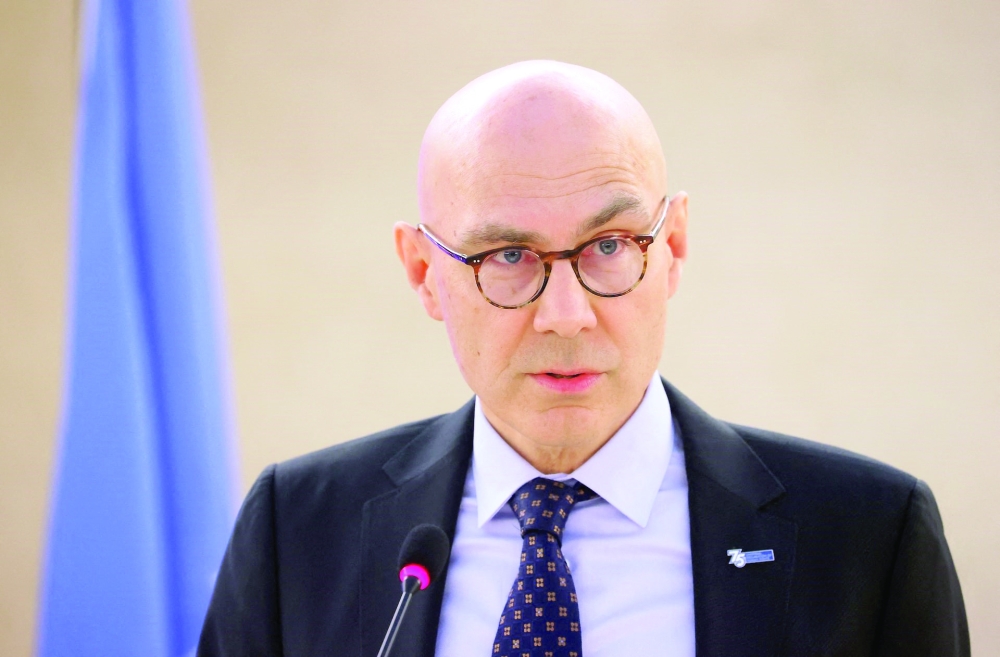
GENEVA: The UN rights chief said on Wednesday that he would send a mission to Lebanon to collect evidence on alleged rights abuses since the war began between Hezbollah and Israel. "Accountability cannot be overstated. Prompt and independent investigations into alleged violations of international humanitarian law must be conducted," UN high commissioner for human rights Volker Turk told journalists. "This is why I have agreed with the government of Lebanon to conduct an impartial and independent assessment mission in the country. "I will soon be deploying a team to collect information and evidence on alleged violations and abuses of international human rights law, and violations of international humanitarian law and related law committed by the parties to the armed conflict in the country since March 2."
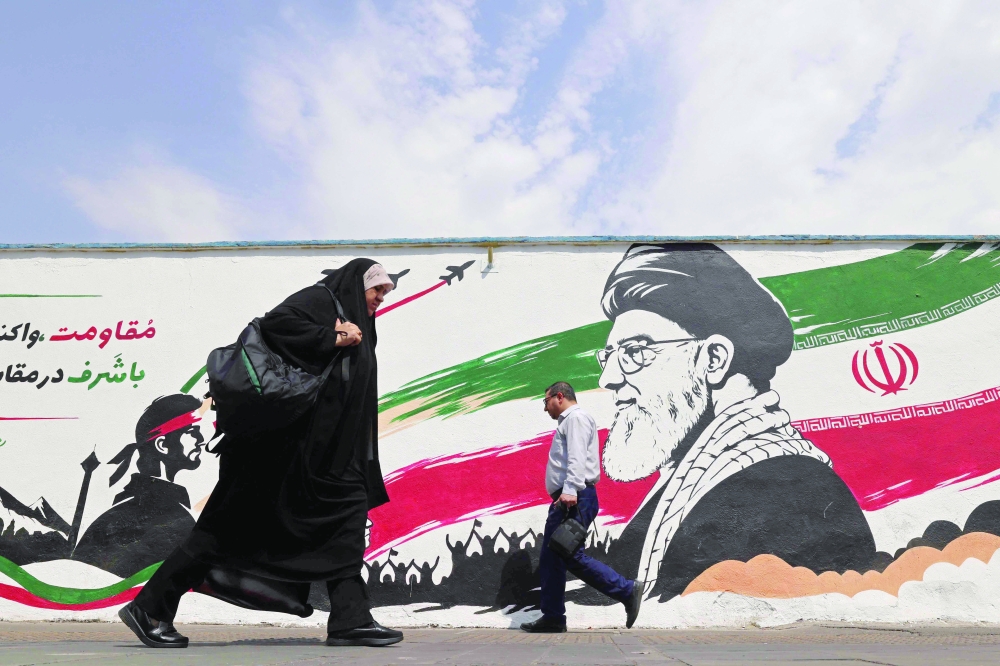
Lebanon was drawn into the wider Middle East war on March 2 when Hezbollah launched rockets at Israel to avenge the February 28 killing of Iran's supreme leader in US-Israeli attacks. The rocket attacks prompted Israeli strikes and a ground invasion. Lebanese authorities say Israel's attacks have killed more than 3,600 people and displaced more than one million others. On the Israeli side, 29 soldiers and one civilian contractor have been killed in Lebanon, according to the army. Neither side has respected a ceasefire first announced in mid-April.
Turk said that amid the "unimaginable civilian harm, suffering and displacement" caused by dozens of conflicts, "we have seen the economic and environmental consequences of fighting reverberate across the world". "The world needs to contain this fallout — de-escalation, restraint and the protection of civilians must be the priority," he said.
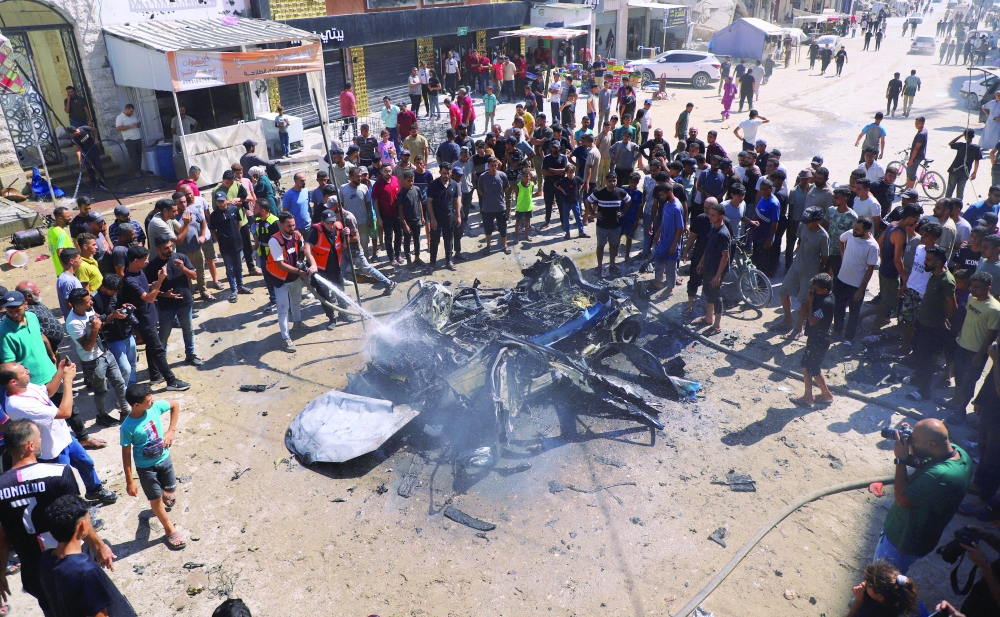
Meanwhile, Israeli strikes on southern Lebanon killed at least 12 people on Wednesday, a Lebanese medical source said, as Israel carried out strikes across the south including the coastal city of Sidon. Earlier, Israeli forces seized a municipal councillor and a worker from the border town of Kfarshuba, according to Lebanon's state-run National News Agency, while Israel said it "apprehended" two people who approached its soldiers.
A ceasefire in Lebanon meant to have gone into force in April was never observed, and a new conditional truce announced after Lebanese-Israeli talks in Washington last week was rejected by Hezbollah and both sides have continued to trade fire. The agreement did not mention a halt to Israeli attacks.
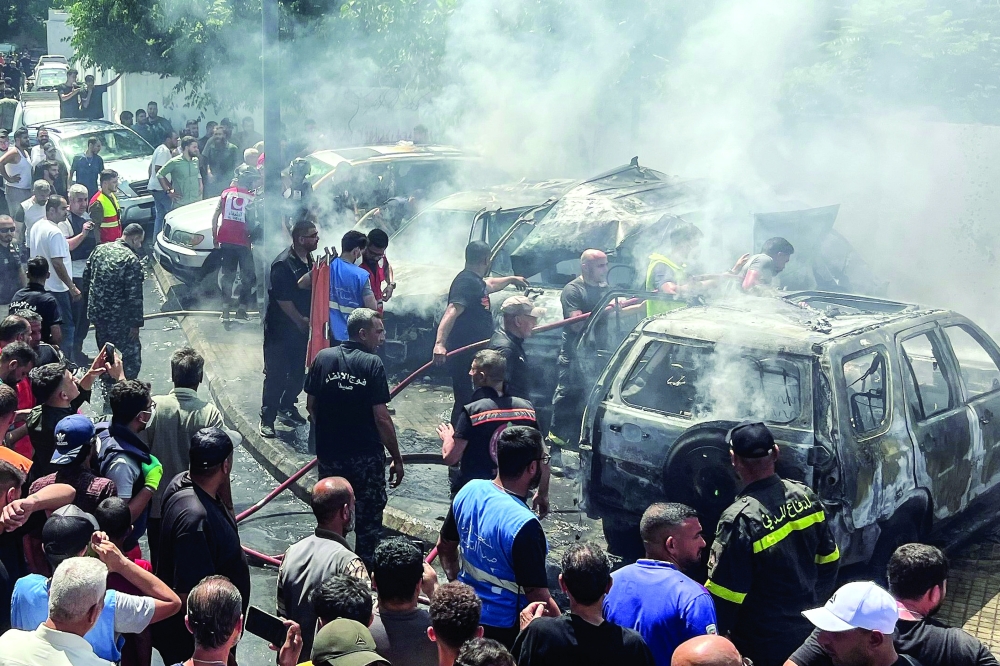
"The number of martyrs from the Israeli air strikes in the town of Tayr Dibba is eight, and in Deir Qanun al Nahr it is four," the source said, speaking on condition of anonymity. The NNA had reported at least four Israeli strikes on Tayr Dibba and two on Deir Qanun al Nahr. It also reported an Israeli drone strike on a vehicle in Sidon, a city relatively spared from major Israeli attacks and which hosts a large number of displaced people. A correspondent heard an explosion in the area before seeing a car burning as rescuers and firefighters headed to the scene. The correspondent saw rescuers pull two people from the targeted vehicle.
The NNA said on Wednesday morning that "an Israeli patrol took away Kfarshuba municipal council member Mohammad Hassan al-Hajj and worker Ahmad Salah Diab, taking them to an unknown location". "The two men were working to pump water to the town of Kfarshuba when the Israeli patrol stopped them and took them away," it added.
On Tuesday, the association of Christian border villages in southern Lebanon issued a statement urging the Lebanese government to "immediately open safe humanitarian and medical corridors to ensure the access of citizens, aid, and medical and relief teams to the affected and isolated villages". They pointed to "a dangerous decline in health services due to the disruption or closure of a number of health centres and clinics," with most roads leading to their villages now "cut off or extremely dangerous". — Reuters
Oman Observer is now on the WhatsApp channel. Click here