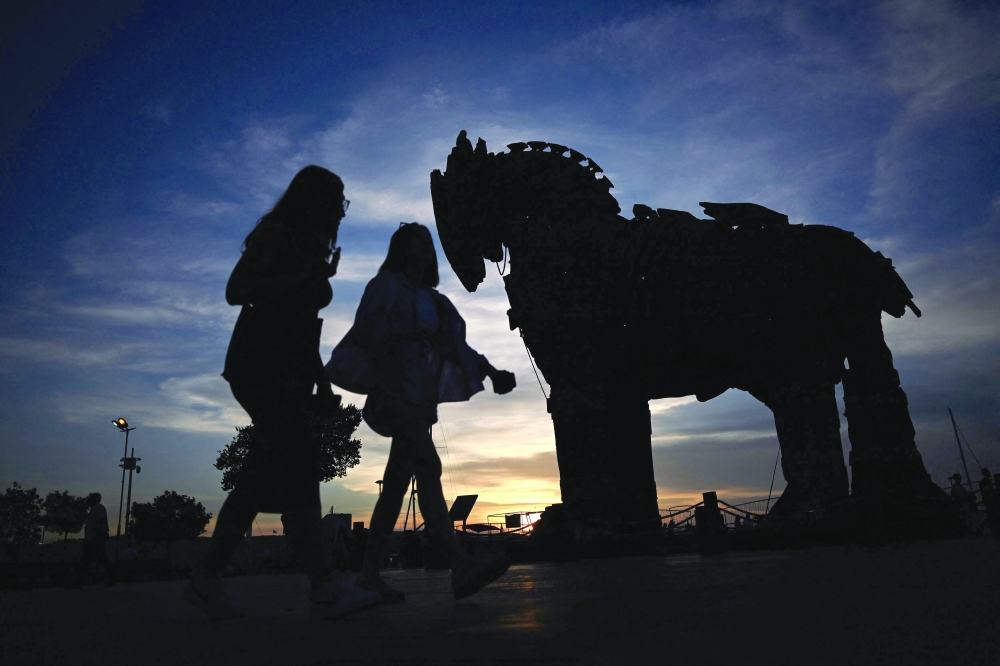
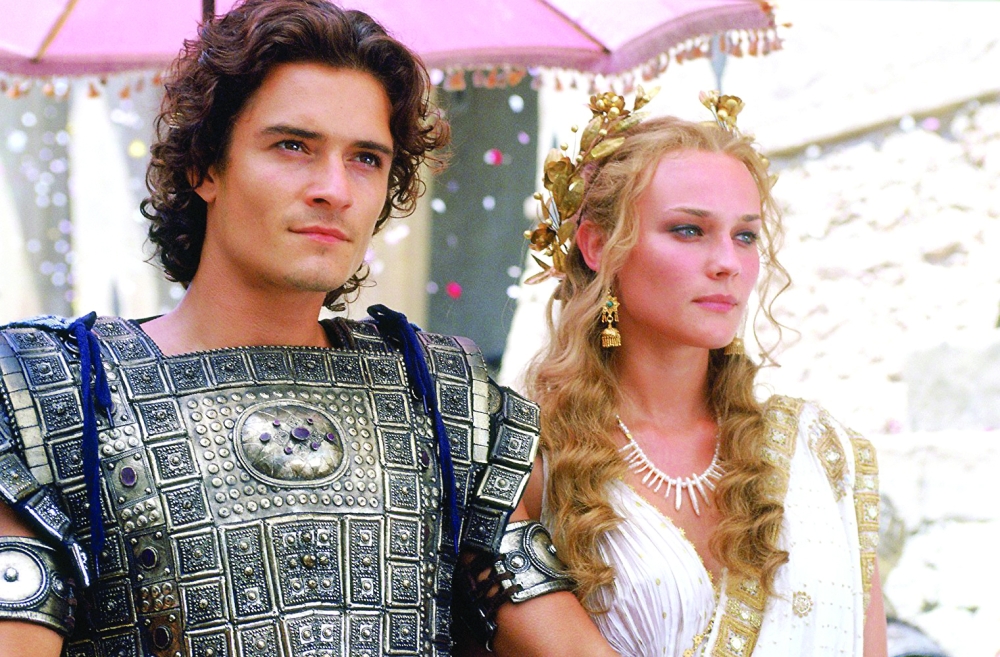





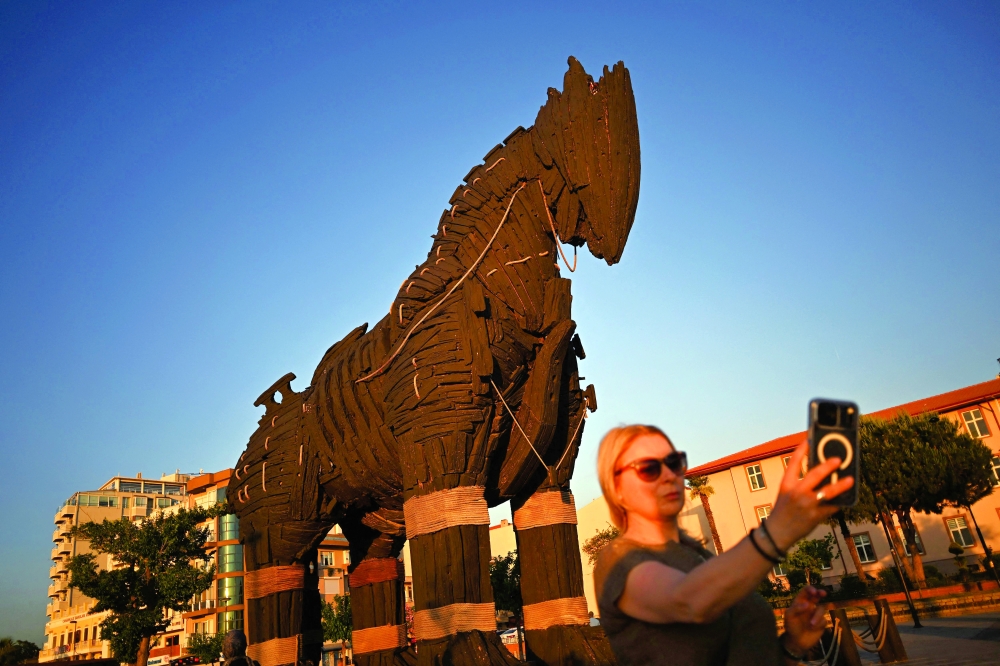
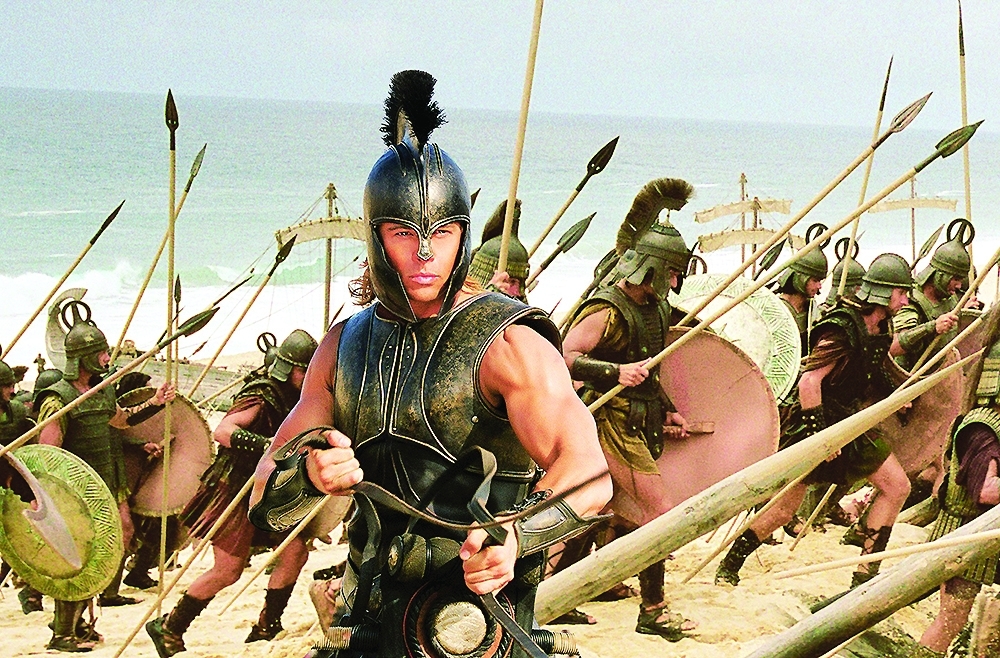
A giant Trojan Horse replica from the 2004 film Troy, starring Brad Pitt as Achilles, still looms over the waterfront of Çanakkale on the Dardanelles Strait in western Türkiye. The film, inspired by Homer’s Iliad, helped renew global interest in the ancient city of Troy.
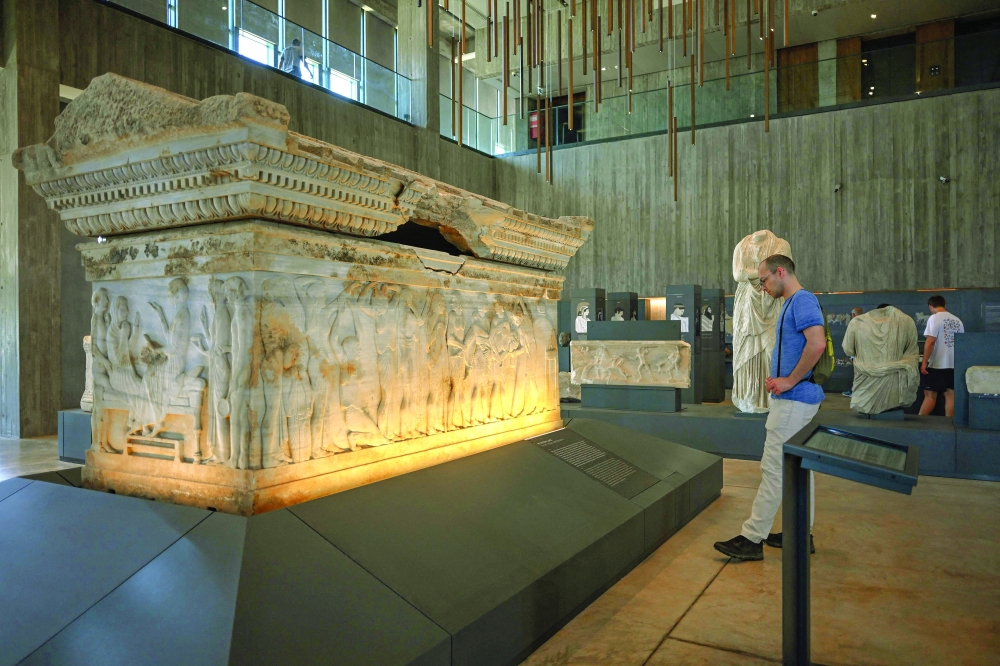
Now, Troy’s legacy is travelling to Rome, where a major new exhibition, “Troy and Rome”, opens at the Colosseum this Friday and runs until mid-October. Türkiye has loaned more than 220 artefacts for the show, including over 100 from the Troy Museum.
Reyhan Korpe, deputy head of the Troy excavations at Çanakkale University, said the site reveals Troy as part of Anatolian civilisation rather than purely a Greek myth. “When you read Homer, you don’t get a very clear idea of the Trojans’ identity”, he explained, noting they were likely Anatolian peoples during the time of the Trojan War.
The Unesco World Heritage site covers around 185 hectares of ruins, ramparts and layered settlements. Korpe described Troy as continuously inhabited from around 3000 BC until the 6th century AD, with nine distinct layers of settlement built on top of one another. He called it “the most western part of eastern civilisation”, highlighting its position at the crossroads of East and West.
The Trojan War, traditionally dated to around 1200 BC and lasting ten years, is often seen as a symbolic first clash between Eastern and Western worlds. Korpe even referred to it as a kind of “first world war”. The same region would later see another major conflict millennia later during the 1915 Gallipoli campaign in World War I.
Among the artefacts in the Rome exhibition is a bronze seal discovered in 1995 bearing Luwian hieroglyphics. According to museum director Sinem Duzgoren, it is the only known written evidence from Troy in an Anatolian language, suggesting the Luwian people influenced the region’s early identity. Other objects include weapons such as sling stones, spears, knives and arrowheads, many consistent with descriptions in Homer’s epic.
Historically, Troy was known in Hittite records as Wilusa, later becoming Ilion in Greek tradition. While not a Hittite city, it was within their sphere of influence.
Korpe noted that although Hollywood’s Troy boosted tourism significantly, filmmakers never visited the excavation site, even as major discoveries were being made there. Visitors now often arrive seeking traces of the film rather than the ancient history itself. — AFP
**media[]**Oman Observer is now on the WhatsApp channel. Click here