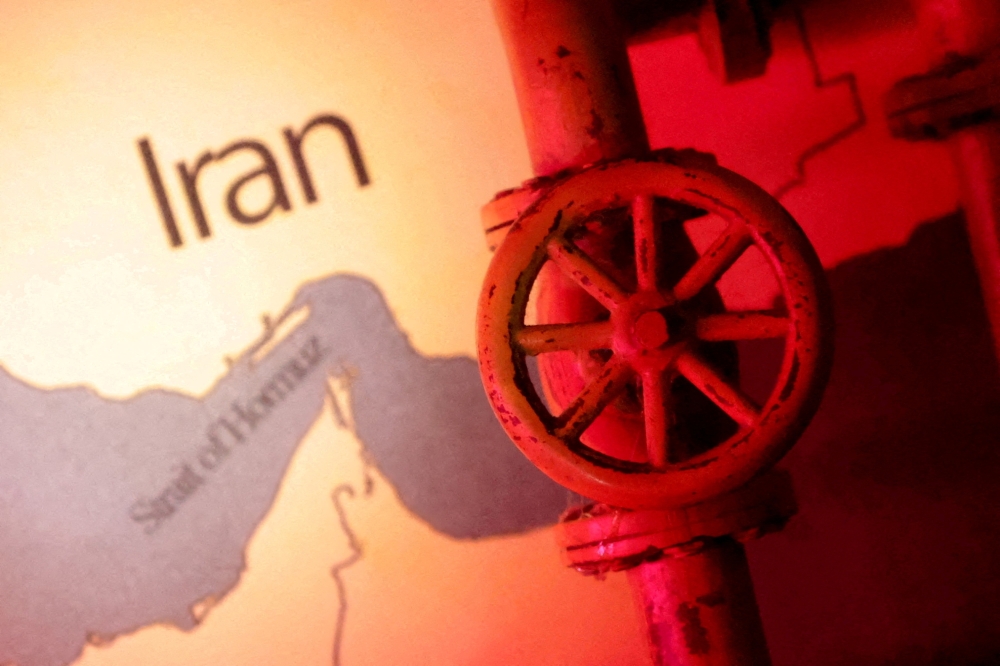
The Strait of Hormuz has once again returned to the forefront of political and diplomatic discussions. This resurgence follows indications of Omani-Iranian understandings to study regulatory mechanisms and potential fees aimed at financing maritime services, enhancing security measures, and protecting the marine environment in the strait.
While the 1982 United Nations Convention on the Law of the Sea (UNCLOS) recognises the waterway as an international strait where foreign vessels enjoy the right of transit passage—meaning coastal states are legally barred from imposing arbitrary tolls—it does allow these littoral nations to seek cooperative mechanisms for environmental protection and navigational aids.
These developments have drawn criticism from the administration of US President Donald Trump, which views any joint regulatory arrangements with Tehran through the lens of their potential impact on the principle of freedom of international navigation. Conversely, Muscat maintains that any such measures fall within the responsibilities of the strait’s littoral (coastal) states, conducted in accordance with established international legal frameworks.
THE SHADOW OF "MAXIMUM PRESSURE" AND REGIONAL INFLUENCE
This divergence in perspectives comes amid ongoing tensions between Washington and Tehran, despite years of stringent economic sanctions and the "maximum pressure" campaign originally initiated during President Trump's first term following the unilateral US withdrawal from the 2015 Iran Nuclear Deal (JCPOA) in 2018.
Although this policy was explicitly designed to isolate Iran economically, Tehran has nevertheless maintained its regional role and active presence across numerous security and political files. This enduring reality ensures that any development concerning sensitive maritime chokepoints is scrutinised closely by decision-makers in Washington, who remain highly sensitive to any step that could be interpreted as an implicit recognition of Tehran’s maritime influence.
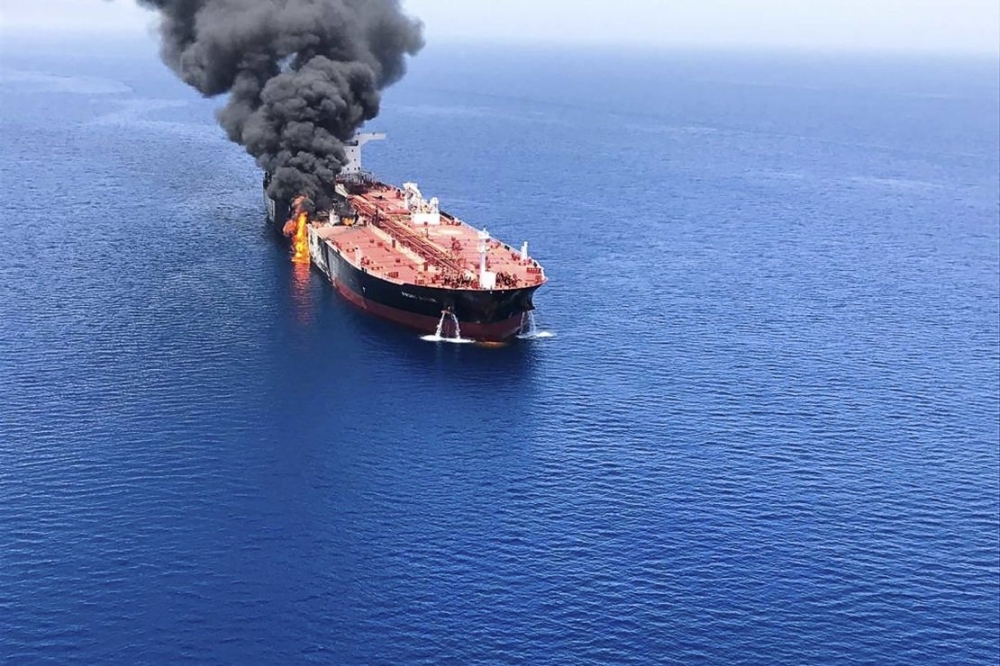
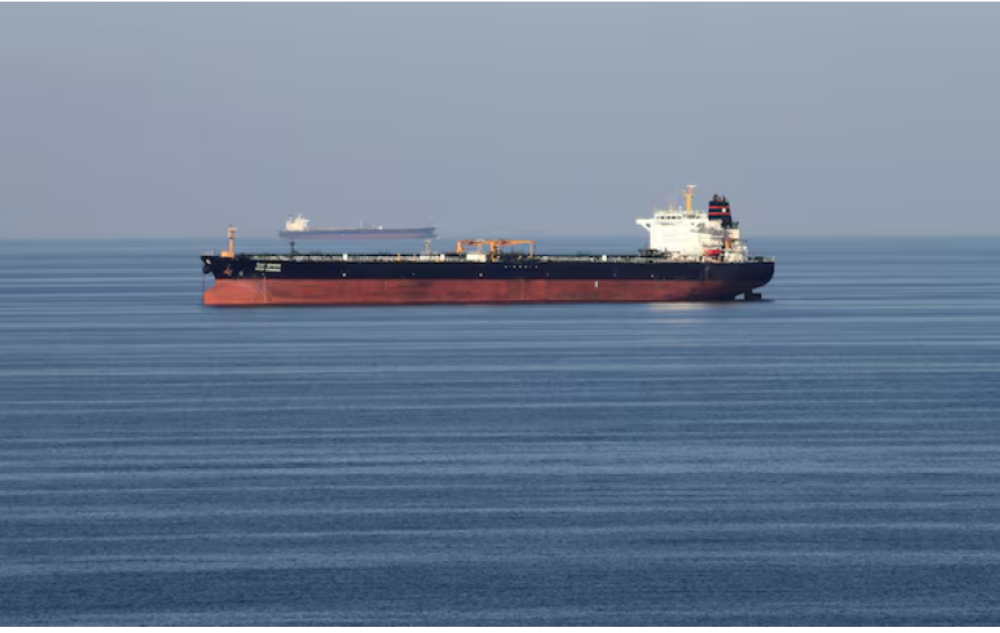
Consequently, America’s sensitivity toward any arrangements that might grant Iran a greater coordinating role in managing one of the world’s most critical maritime corridors is highly understandable. The Strait of Hormuz serves as a vital artery for global energy flows; approximately one-fifth of the world's seaborne petroleum—nearly 20 million barrels per day—passes through it, alongside massive quantities of Liquefied Natural Gas (LNG) shipped primarily from Qatar as the world's leading LNG exporter.
Therefore, the United States views the stability of the strait as an inseparable component of the international economic security architecture and the strategic security of its regional allies, encompassing both the Gulf Cooperation Council (GCC) states and major energy-dependent economies in Asia, such as Japan and South Korea.
THE OMANI APPROACH: DIPLOMACY AND INTERNATIONAL LAW
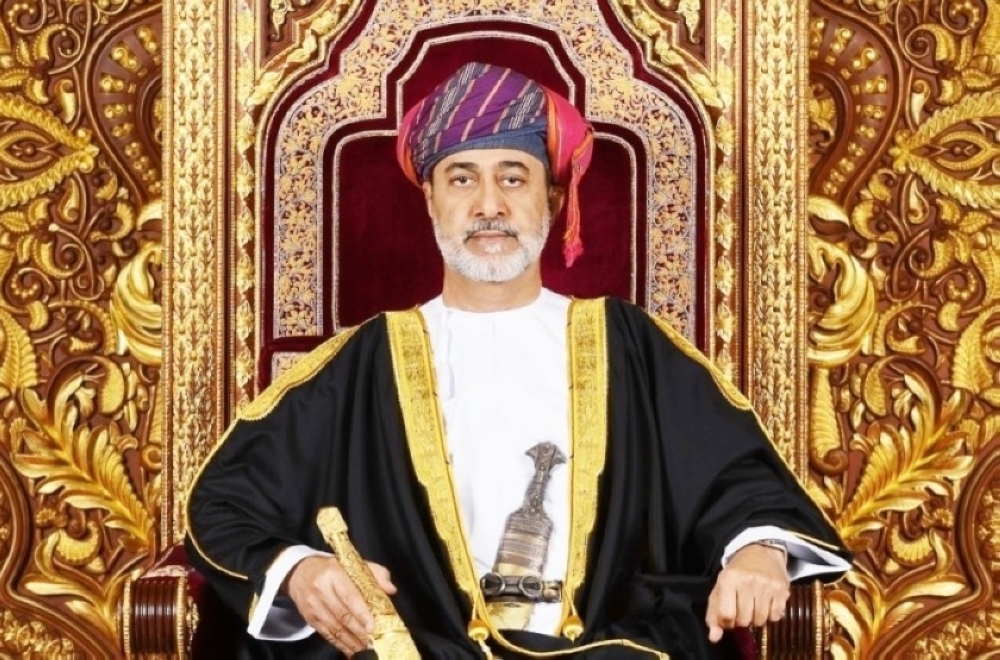
In contrast, the Omani approach is grounded in a different vision based on managing regional balances and maintaining stability through dialogue and joint diplomatic coordination. The Sultanate of Oman maintains stable and balanced relations with various regional and international actors.
Historically, this unique position has allowed Muscat to play the role of a trusted mediator, facilitating communication channels and building trust between international adversaries who would otherwise find it difficult to gather at a single negotiating table—a diplomatic capability most notably demonstrated when Oman facilitated the secret back-channel talks that ultimately paved the way for the 2015 Iran Nuclear Deal (JCPOA).
This approach does not stem from fleeting political considerations or temporary maneuvering; rather, it is rooted in a long-term Omani understanding of its geographic location and direct legal responsibilities. The strait is not merely an international waterway running adjacent to Omani shores; it is a vital part of the Sultanate of Oman's surrounding security and economic environment.
Geographically, the actual inbound and outbound shipping lanes inside the Strait of Hormuz lie directly within Oman’s territorial waters, effectively placing the legal and operational responsibility for ensuring safe and orderly international navigation squarely on Muscat's shoulders.
Therefore, Muscat relies on the mechanisms of the 1982 United Nations Convention on the Law of the Sea (UNCLOS) and official diplomatic channels, while maintaining a strict commitment to avoiding entanglement in the regional policy of alliances or sharp polarisations.
TWO DIVERGENT APPROACHES TO THE STRAIT
This distinct diplomatic philosophy places Muscat's calculated legalism in sharp contrast with Washington's broader geopolitical and military objectives for the region. To better understand how these two contrasting worldviews manifest in the daily oversight and strategic planning for the waterway, it is useful to look at the core pillars that define each nation's strategic framework:
BROADER ECONOMIC IMPLICATIONS
The significance of this debate is further underscored by its broader economic implications. Any tension associated with the Strait of Hormuz directly impacts international trade flows, global oil markets, maritime insurance premiums, shipping costs, and investor confidence. Hence, the controversy surrounding the management of the strait transcends bilateral political disputes, directly affecting files that form the backbone of both regional and global economies.
Ultimately, the current divergence between Washington and Muscat does not reflect a disagreement over the principle of maritime security itself, but rather a fundamental difference in the approach to managing this sensitive file. While the United States focuses on military deterrence and geopolitical balances, Oman leans toward a legal and technical approach predicated on dialogue, international legitimacy, and managing the shared interests of coastal states. In a regional environment characterised by rising polarisation and multifaceted crises, Oman’s calm, measured approach remains a focus of international attention as a vital attempt to preserve balance and stability in one of the world's most sensitive maritime corridors.
Oman Observer is now on the WhatsApp channel. Click here