




MUSCAT, JUNE 8
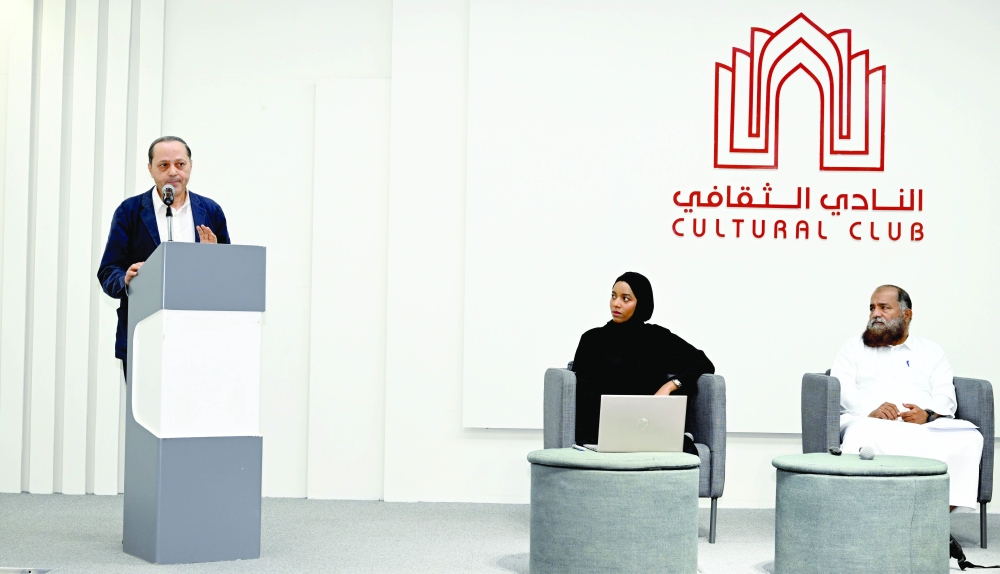
A forum titled 'Translation and the Challenges of Conveying Contemporary Discourse', organised by the Literary Forum under the Ministry of Culture, Sports and Youth at the Cultural Club, explored a range of intellectual and technological challenges facing translation education and practice amid rapid digital transformations, with particular focus on artificial intelligence and the translation of cultural elements across languages.
The forum featured Dr Mohammed al Kahlawi, Supervisor of the Bachelor of Translation Programme at Sultan Qaboos University, and Dr Hassan al Fadhli, Professor at the University of Nizwa. The session was moderated by Suad al Maskari.
In his paper, 'The Challenges of Translation Studies', Dr Al Kahlawi examined several intellectual and practical issues affecting translation education today.
He noted that rapid advances in technology and artificial intelligence have brought profound changes to the concepts of linguistic and translation competence, while also reshaping labour market requirements and the skills expected of translators.
He explained that translation studies continue to face challenges linked to the rigidity of traditional Arabic linguistic instruction and the lack of critical reviews informed by developments in modern linguistic research.
According to him, these challenges are reflected in language and translation curricula and ultimately affect students’ performance at the university level.
Al Kahlawi also cautioned against the excessive reliance on artificial intelligence tools in translation, stressing that the uncritical use of such technologies may weaken students’ linguistic competence and increase dependence on technological systems.
He called for a more balanced approach that uses AI to support learning and strengthen linguistic and translation skills rather than undermine them.
Meanwhile, in his paper titled 'The Role of Action Research in Developing Strategic Competence in Translating Cultural Elements among Translation Students', Al Fadhli highlighted the importance of equipping students with the skills needed to handle culture-specific elements, which remain among the most complex aspects of translation.
He pointed to a gap between theoretical knowledge and the practical application of translation strategies, emphasising that developing strategic competence and enhancing students’ ability to make informed translation decisions and justify their choices in different cultural contexts can improve translation quality and better prepare graduates for contemporary communication challenges.
The forum aimed to strengthen academic dialogue among scholars and practitioners in translation studies while examining the challenges facing translation education and practice in an era of rapid digital and cultural change.
Oman Observer is now on the WhatsApp channel. Click here