




From regulating climate and storing water to shaping agricultural villages and local traditions, Oman’s mountains play a role that extends far beyond geography.
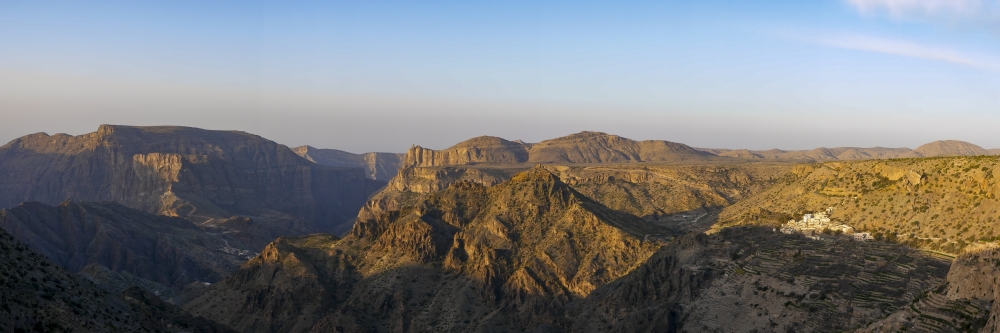
Between the towering peaks of Jabal Shams, the terraced landscapes of Al Jabal Al Akhdhar and the mist-covered highlands of Dhofar during the khareef season, a unique relationship between nature and people has helped shape patterns of settlement and daily life for centuries.
According to Al Muathir al Kindi, a geological explorer and researcher in Earth sciences, Jabal Shams and Al Jabal Al Akhdhar belong to the same geological structure within the Al Hajar Mountains, while the Dhofar highlands were formed through different geological processes.
He notes that the significance of these mountain ranges extends beyond their dramatic landscapes, encompassing their direct influence on climate and water distribution.
Al Kindi explains that higher elevations naturally experience cooler temperatures than surrounding areas, which is why Al Jabal Al Akhdhar and Jabal Shams enjoy milder weather during the summer months.
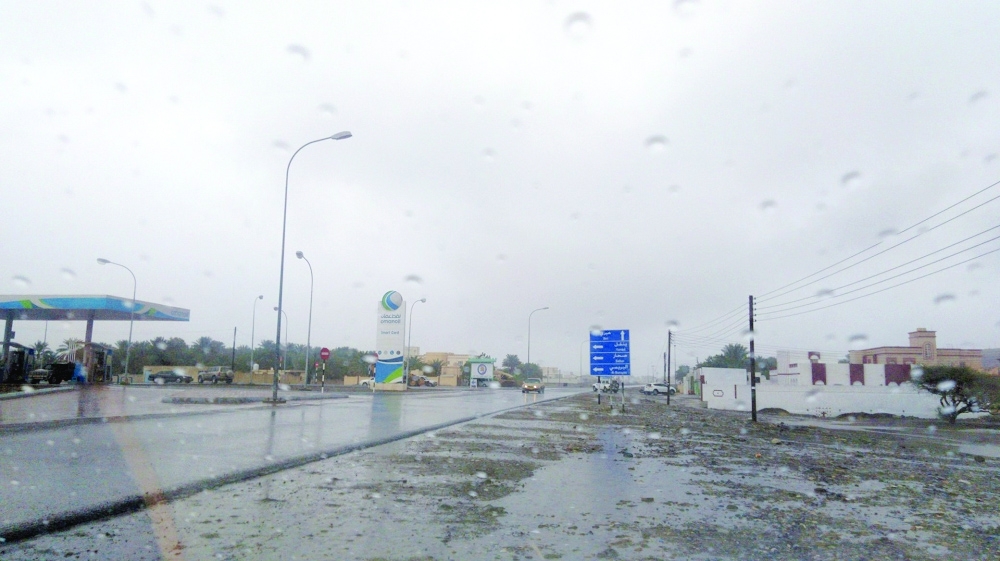
The Al Hajar Mountains also contribute to cloud formation and increased rainfall, helping to feed wadis and recharge underground aquifers. Their geological formations act as natural reservoirs that store and channel water, supporting the sustainability of water resources across many parts of the country.
In Dhofar, the mountains play a different but equally important climatic role. Acting as a natural barrier against moisture-laden monsoon winds from the Arabian Sea, the highlands force the air to rise and cool, producing the mist and light rainfall that characterise the annual khareef season. The result is a striking contrast between the lush green slopes of southern Dhofar and the arid landscapes to the north.
Life in Al Jabal Al Akhdhar reflects the close relationship between people and the mountains. Hamda al Saadi says the mountain villages continue to preserve their traditional character through old stone houses, narrow pathways and agricultural terraces carved into the slopes.
Pomegranate orchards, rose gardens, and farms growing apricots, peaches, figs, and apples, together with aflaj irrigation channels and natural springs, remain an integral part of daily life. At the same time, some heritage homes have been transformed into guesthouses that preserve local identity while welcoming visitors.
She adds that life in Al Jabal Al Akhdhar remains closely tied to farming seasons and community cooperation, with residents continuing agricultural practices passed down through generations. The mountain’s mild climate has helped make it one of Oman’s most important agricultural and tourism destinations.
Dr Mohammed bin Hilal al Kindi, CEO of the Earth Sciences Consultancy Centre, highlights the global scientific value of Oman’s mountains. He notes that the Dhofar highlands contain fossil-rich sites, caves and geological formations that document different stages of the Earth’s history. He stresses the importance of protecting these sites, regulating excavation activities and preventing pollution to preserve this natural heritage for future generations.
As Oman faces challenges related to climate change and water sustainability, its mountains remain a vital part of the country’s environmental and cultural landscape.
Oman Observer is now on the WhatsApp channel. Click here