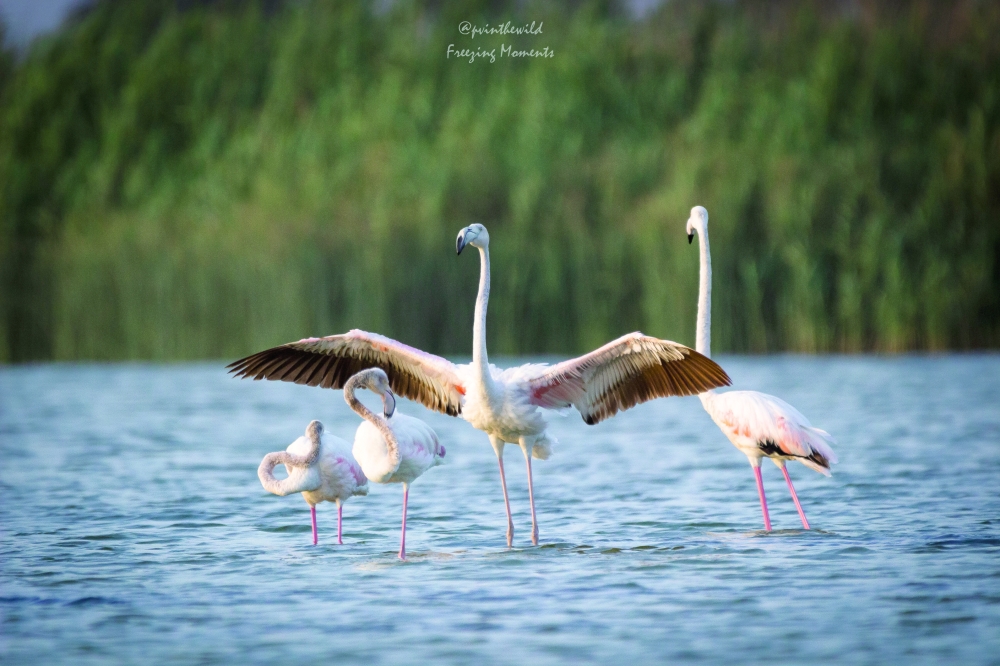





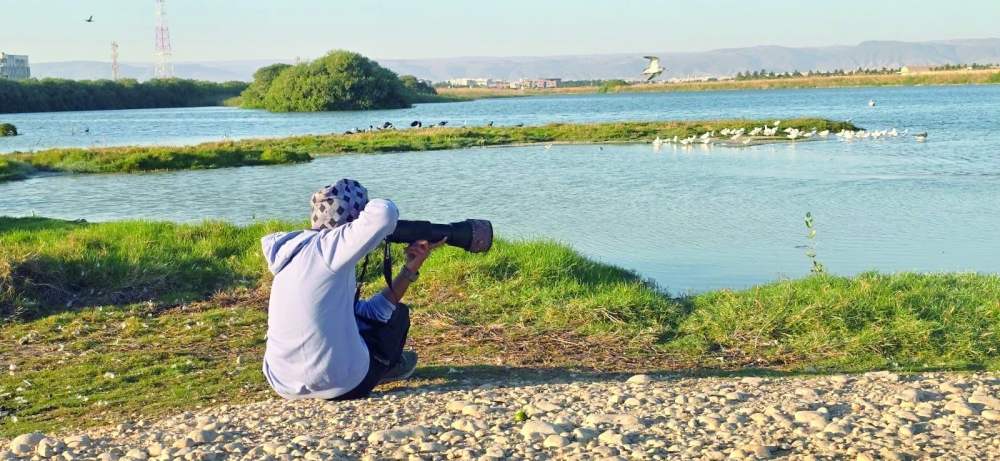
By the time most teenagers are scrolling through social media after school, 15-year-old Paramveer Singh is often crouched in silence beside rocky slopes or beneath dense forest canopies, camera poised, waiting for a fleeting moment that nature may or may not offer.
For the Grade 10 student of the Indian School Salalah, wildlife photography is not simply a hobby — it is an act of observation, patience and storytelling.
Based in Salalah, Paramveer has spent the last few years quietly documenting the hidden biodiversity of Dhofar, capturing images that reveal the fragile yet extraordinary rhythms of life unfolding across the region.
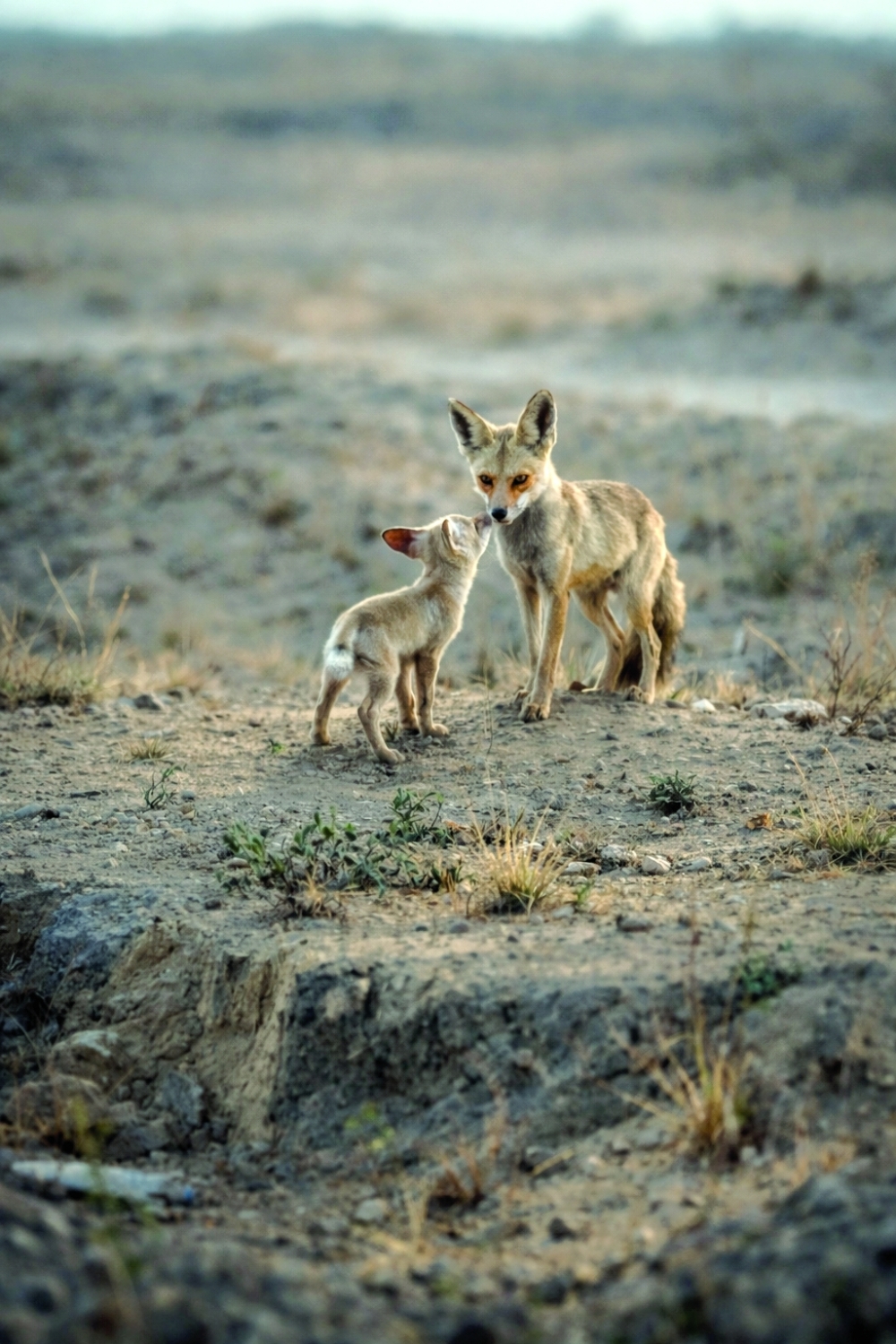
Among his most remarkable recent sightings was a rare encounter with a family of Arabian red foxes in the Wilayat of Taqah — a moment he describes as both rare and deeply meaningful.
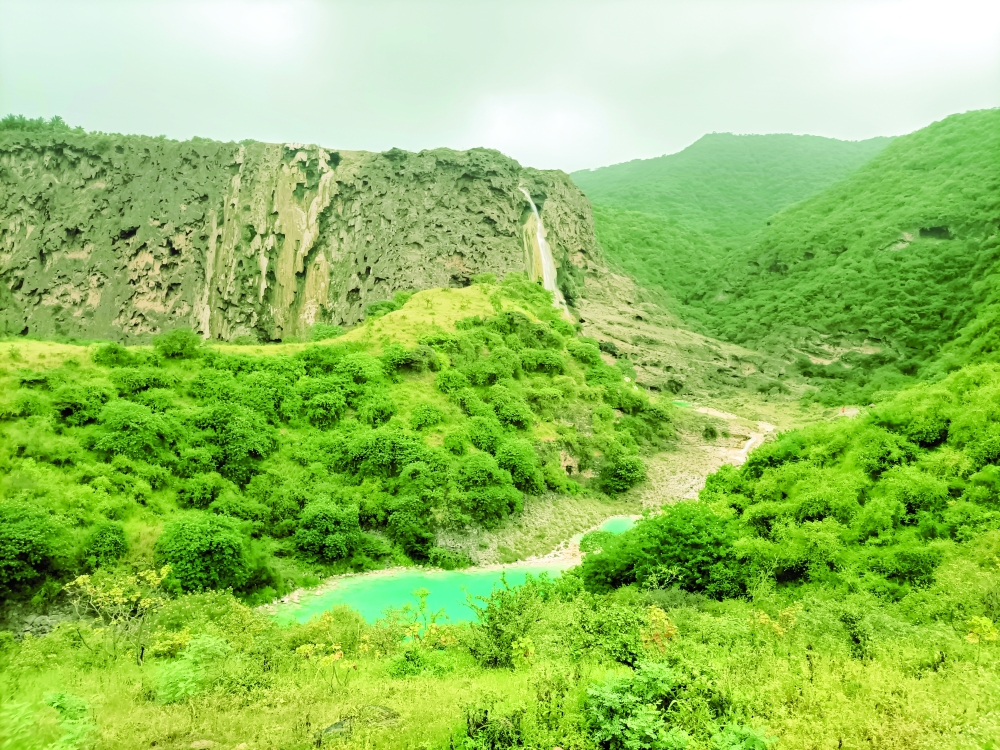
The sighting unfolded during a calm late evening in Dhofar, as the soft light of sunset settled over rocky terrain dotted with sparse vegetation.
“I had to wait for a long time in complete silence and stillness before they appeared”, says Paramveer. “Wildlife photography teaches patience because animals reveal themselves only when they feel safe”.
The mother fox emerged first, alert and cautious, carefully scanning the surroundings before allowing her three playful pups to step into view.
“The pups stayed close to the den, chasing each other and exploring”, he recalls. “What fascinated me most was how protective the mother was. She would gently guide them back, sometimes pulling them by the tail or checking inside the den as if making sure everything was safe”.
For Paramveer, such moments are worth every hour of waiting.
“What motivates me most is the opportunity to document rare moments and create awareness about wildlife”, he says. “Many people may never notice these animals, even though they live so close to us”.
Yet perhaps his most emotionally powerful images emerged not from dramatic landscapes, but from an intimate scene beneath the canopy of Ayn Athum.
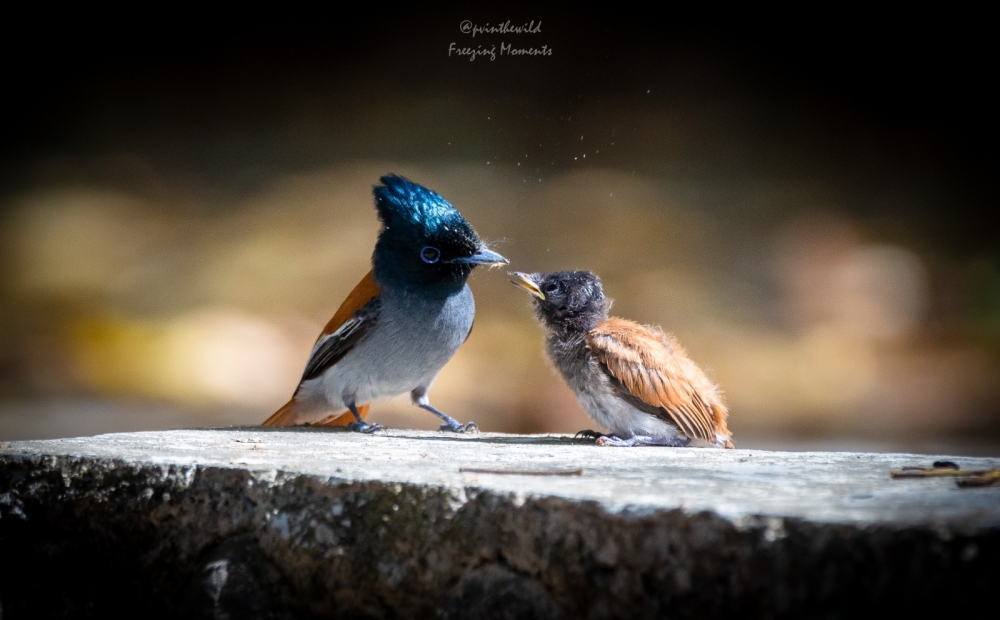
On what he describes as a quiet afternoon, Paramveer had been waiting to photograph an African Paradise Flycatcher when something unusual caught his attention.
The bird, known for perching high among branches, suddenly swooped towards the ground.
“When I focused my lens, I saw a tiny fledgling — so fluffy and fragile, fresh out of the nest”, he says. “It looked completely unaware of the danger around it”.
Perched awkwardly on old concrete bricks, the chick became the centre of an extraordinary sequence.
“Every few minutes, the mother would disappear into the trees and return with insects”, he says. “The chick would open its mouth wide, waiting for food. Watching that bond through my viewfinder felt magical”.
But behind the charm was vulnerability.
“At that stage, survival is uncertain”, Paramveer explains. “Every rustle in the leaves made me nervous because the chick was so exposed”.
Such photographs are exceptionally rare, particularly during the brief fledging period when chicks first leave concealed nests.
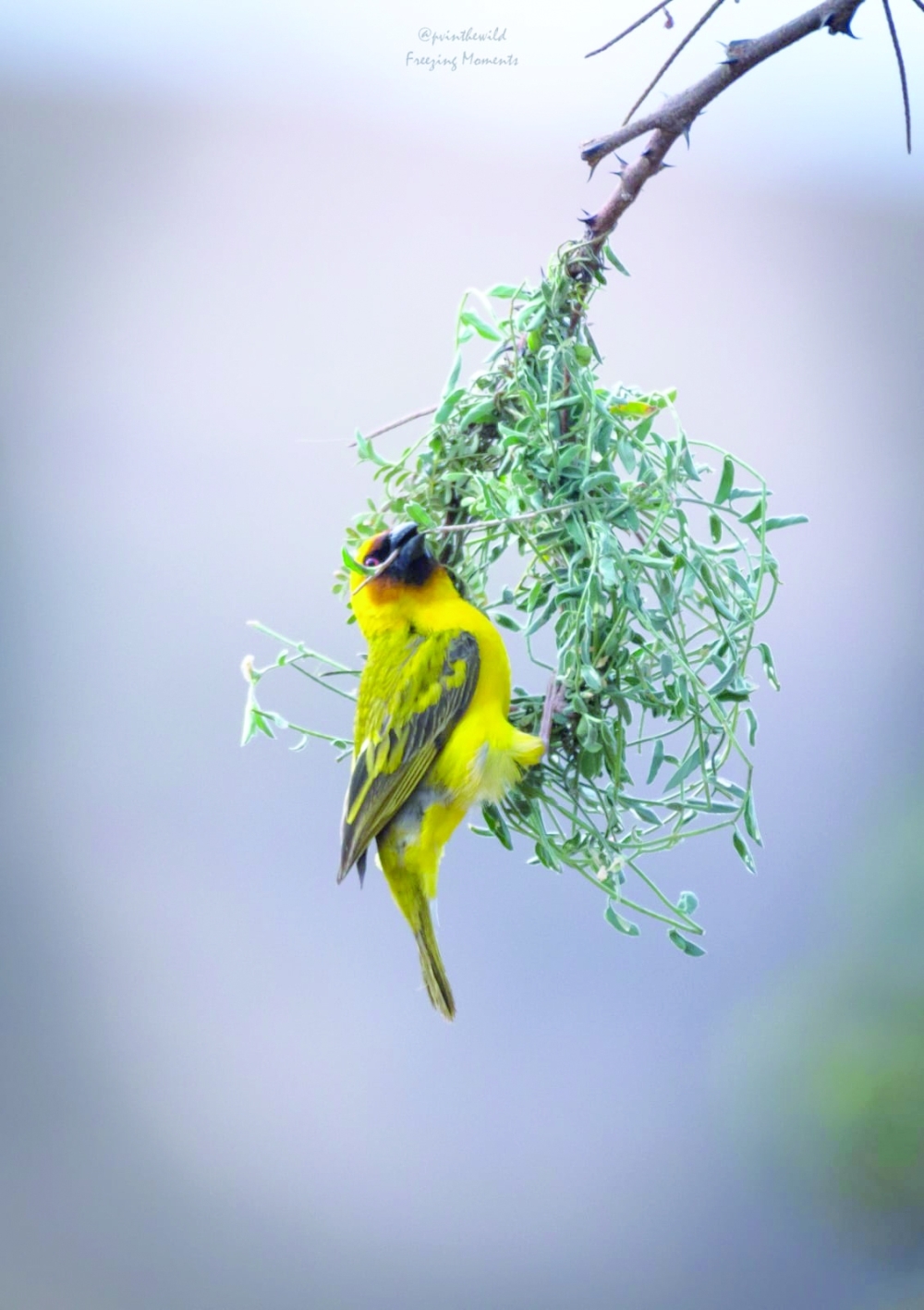
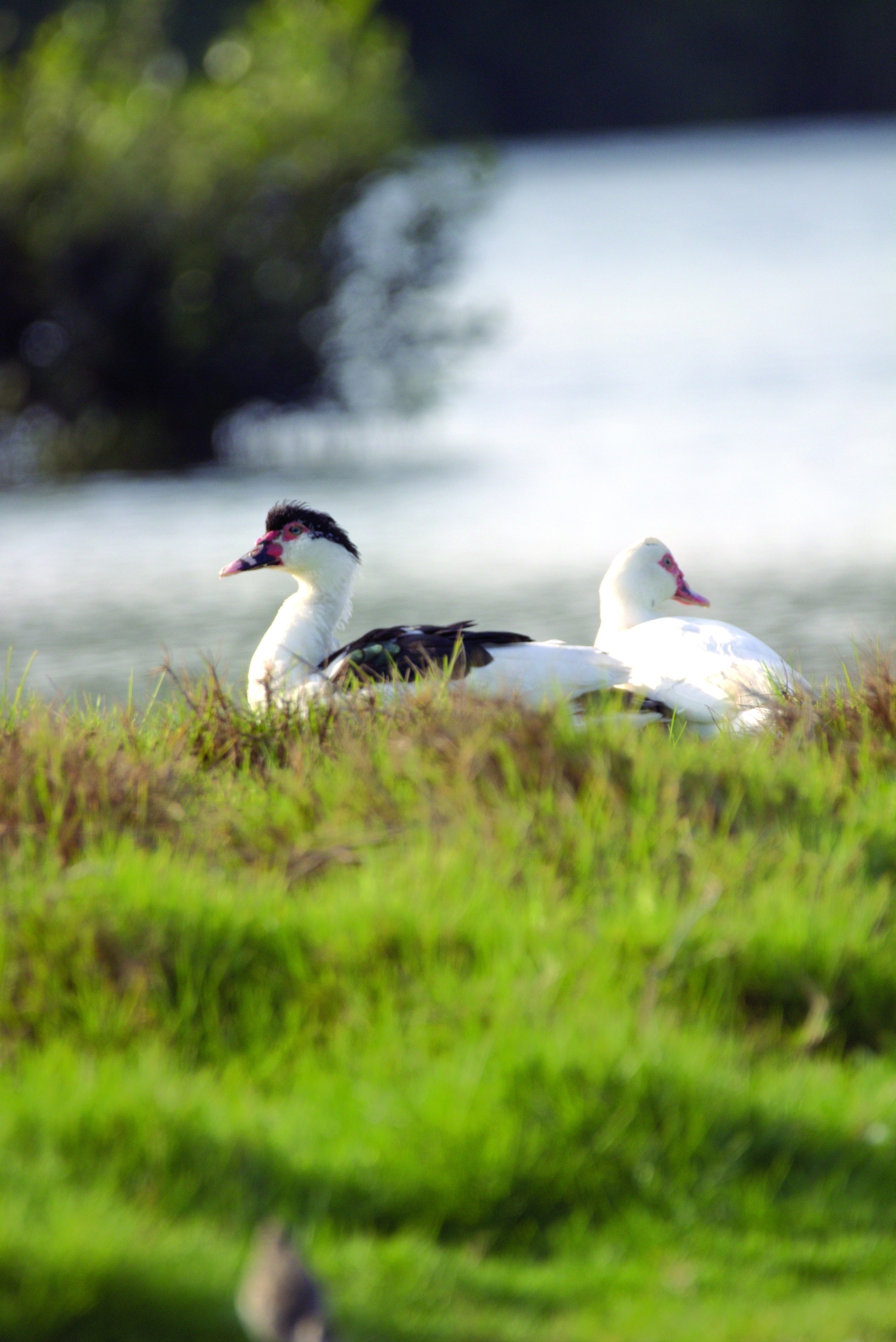
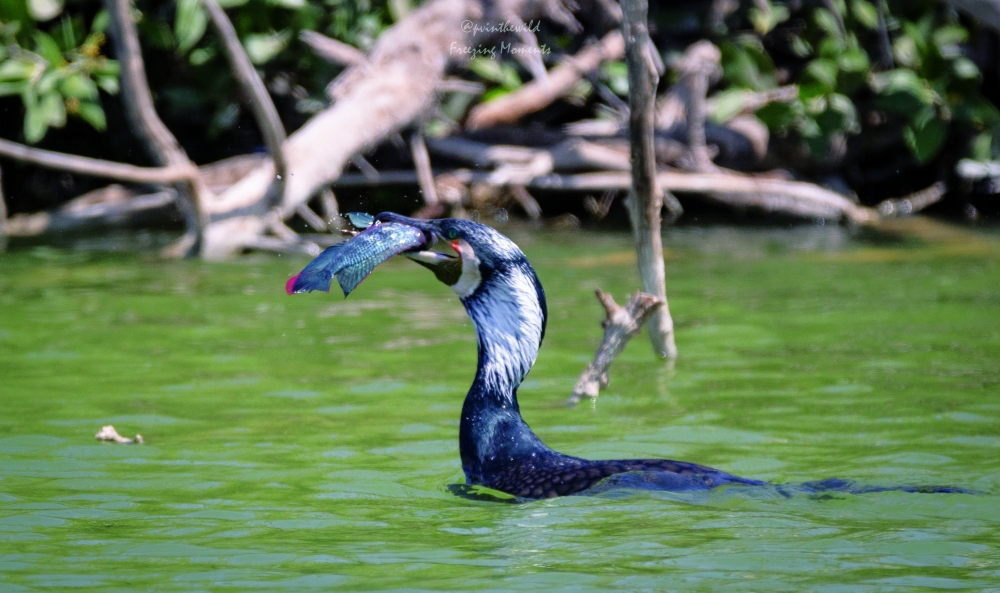
His growing portfolio also includes a rare sighting of a pair of Muscovy Ducks at the Al Dahariz Beach Khor — unusual visitors in Oman — alongside carefully documented birdlife across Dhofar.
According to Subha T S, Subject In-Charge for Science at Indian School Salalah and a mentor in the school’s birdwatching club, Paramveer’s approach stands out for its sensitivity.
“He approaches photography with patience and care, always prioritising the wellbeing of birds while capturing meaningful moments”, she says. “Birdwatching is not merely about seeing birds, but about attentive observation and connecting with the rhythms of nature — a principle he exemplifies sincerely”.
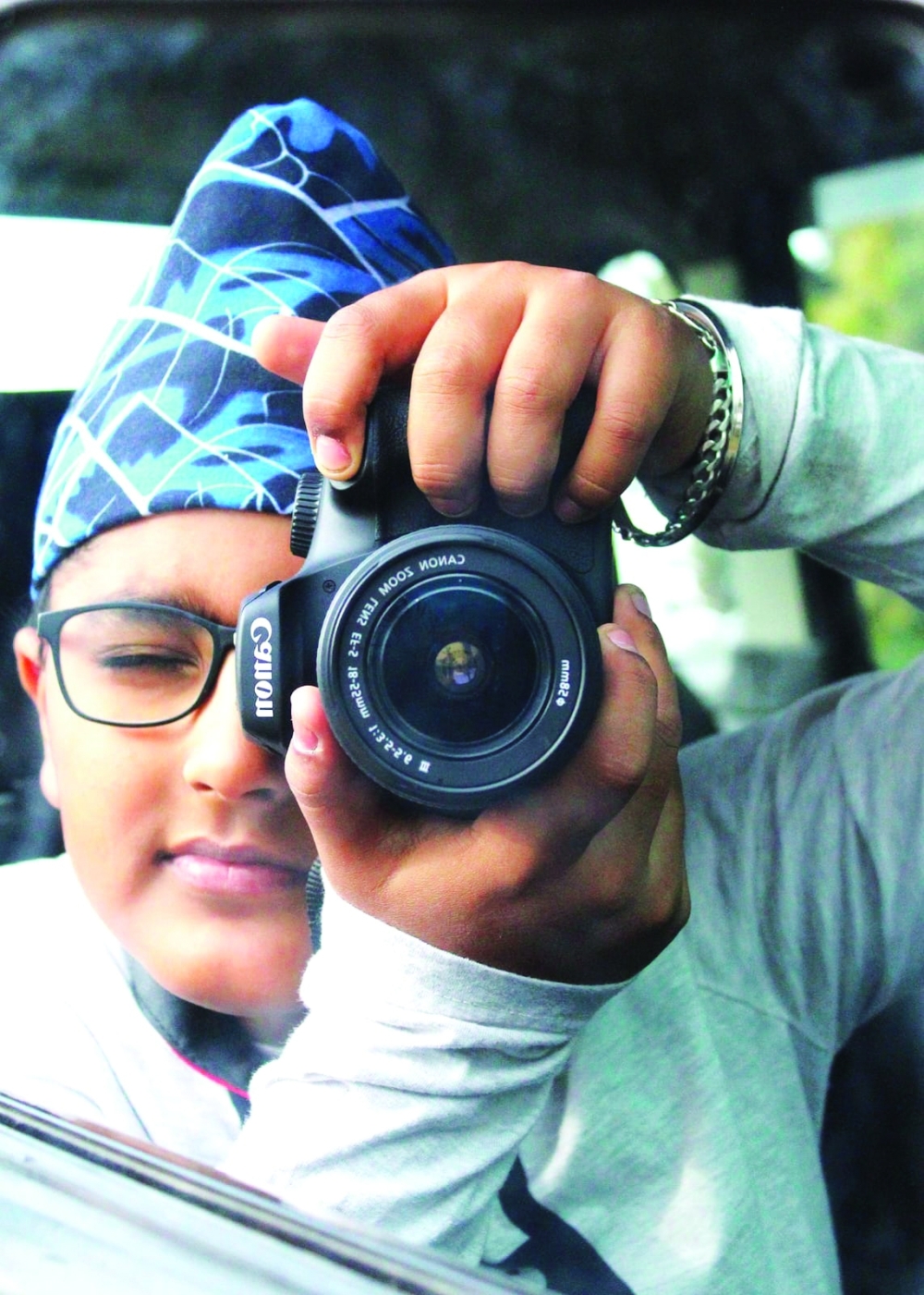
Paramveer credits much of his inspiration to Oman’s landscapes and to his father, Amardeep Singh, a veteran photographer who introduced him to field observation and wildlife behaviour.
With the Khareef Dhofar Season approaching, the young photographer plans to continue exploring Dhofar’s forests and valleys, hoping his work will encourage more residents — especially young people — to notice and protect Oman’s remarkable biodiversity.
For Paramveer, every photograph begins the same way: with stillness, patience and hope that the wild will choose to appear.
Oman Observer is now on the WhatsApp channel. Click here