




SALALAH: As global concerns grow over food security, water scarcity and supply-chain disruptions, the Najd region in Dhofar Governorate is returning to the forefront of strategic discussion in the Sultanate of Oman — not simply as an agricultural zone, but as one of the country’s most significant long-term food security prospects.
Stretching across vast desert plains beyond the Dhofar mountains, Najd has re-emerged in national economic and agricultural discussions amid broader efforts to strengthen domestic food resilience and reduce exposure to external shocks at a time of geopolitical tensions, climate pressures and rising import costs.
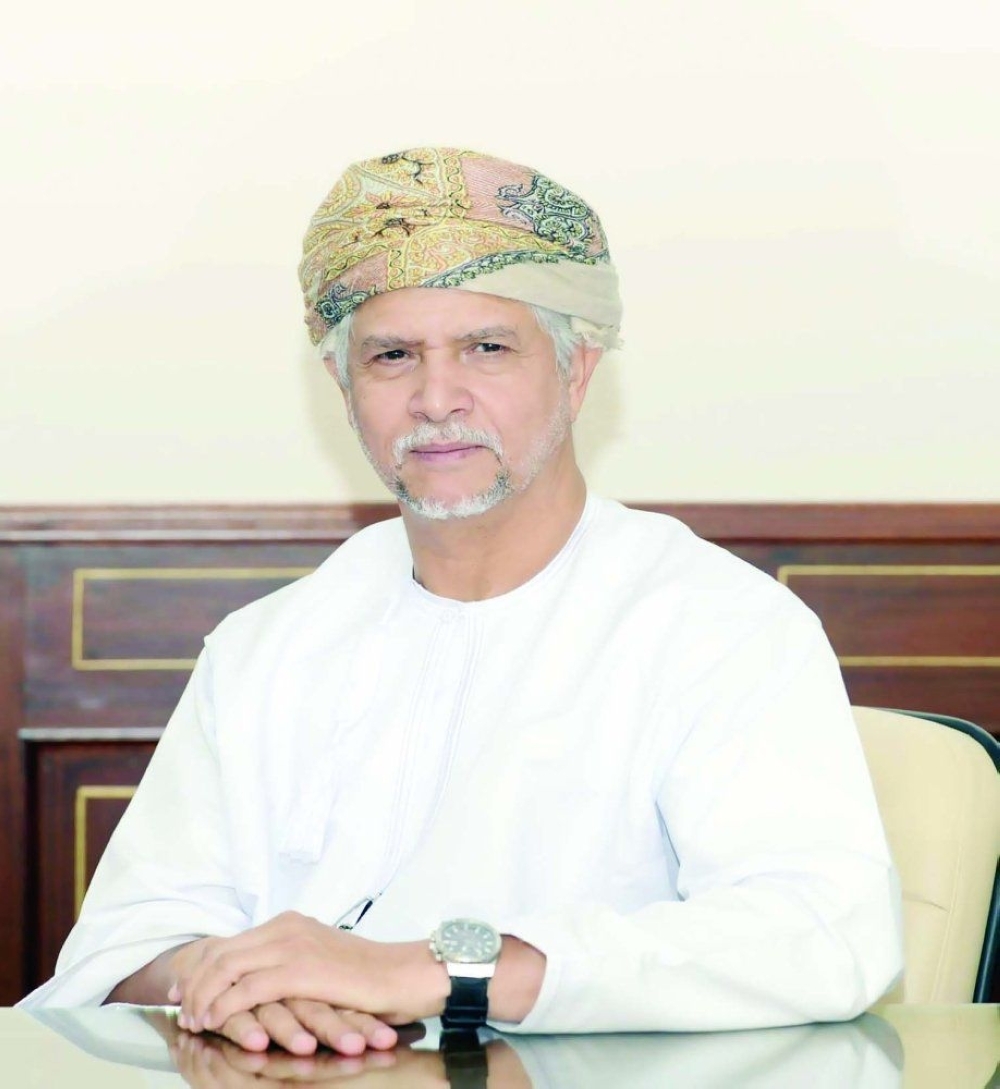
Speaking during a forum on food security, Eng Saleh al Shanfari, widely regarded as one of the pioneering figures in Oman’s food and agribusiness sector, said the region represented one of the Sultanate’s most promising agricultural areas capable of supporting the country’s long-term food security objectives.
Al Shanfari stressed the need to distinguish between “food security” and “self-sufficiency”, noting that food security does not necessarily mean producing every commodity locally, but ensuring continuous and reliable access to food through resilient supply chains, strategic reserves and effective resource management.
“Oman, like many Gulf countries, may not achieve full self-sufficiency in certain staples such as wheat or rice, but it can still maintain food security through diversified sourcing, storage capacity and stable supply systems,” he said.
Interest in Najd dates back to the late 1980s, when the Japan International Cooperation Agency launched extensive studies assessing the area’s agricultural and groundwater potential as part of a long-term development strategy.
According to Japanese technical reports, the studies examined soil quality, groundwater resources, irrigation systems and the feasibility of large-scale agricultural expansion, while also exploring logistics, storage and agro-industrial opportunities.
Al Shanfari said Japanese teams conducted one of the first comprehensive studies of Najd nearly four decades ago, adding that he had personally participated in early phases of agricultural development projects in the area.
Oman-Japan cooperation has recently regained momentum through new agreements and planning initiatives aimed at developing Najd as part of a broader long-term food security and agricultural development strategy.
Analysts say Najd’s importance extends beyond farming itself.
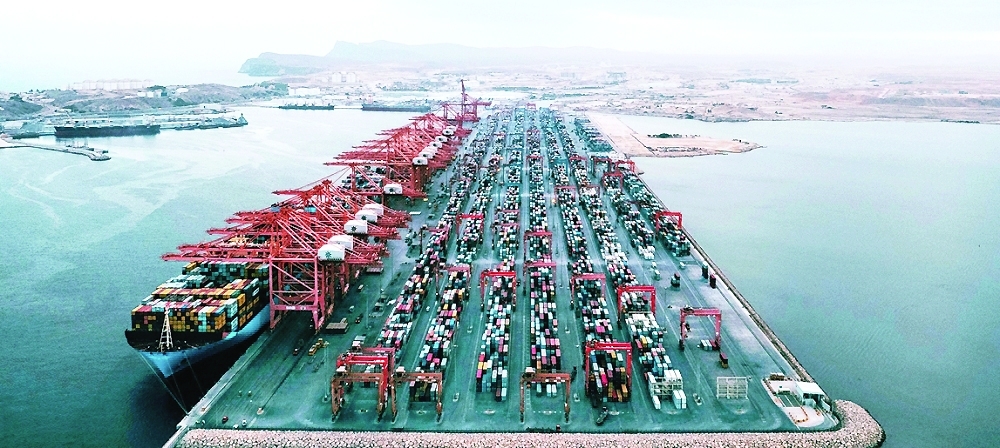
Its proximity to the Port of Salalah, the Mazyouna border crossing and Duqm gives the region significant logistical advantages for storage, distribution and exports to Gulf markets.
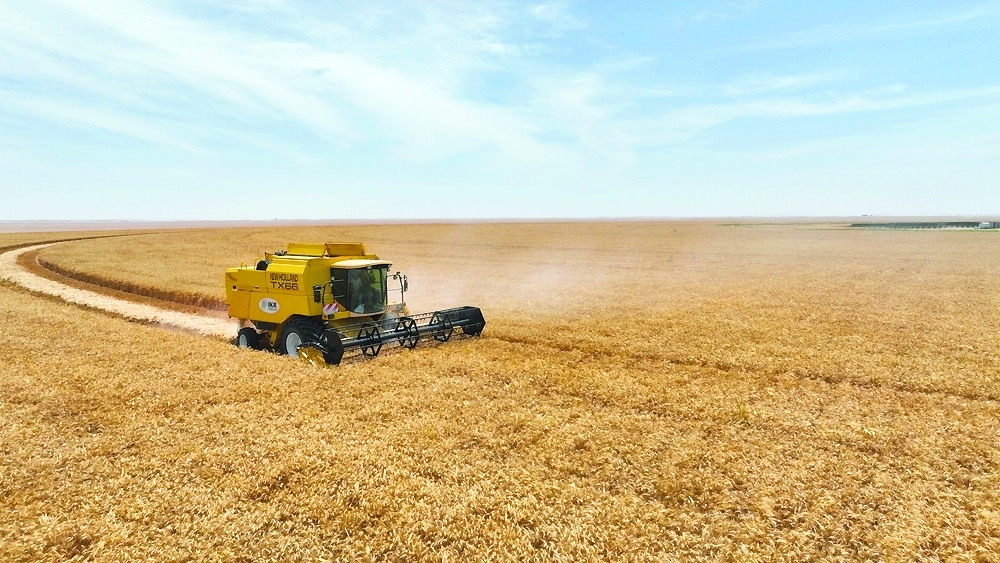
The scale of land available for agricultural development also positions Najd among Oman’s largest underutilised agricultural opportunities at a time when Gulf states are accelerating investments in food resilience amid global market volatility.
Al Shanfari said agricultural products from Najd are already reaching Gulf markets including Kuwait, Bahrain and Qatar, with rising demand for crops such as onions, garlic and wheat, alongside newer projects involving sesame and fodder production.
Despite the optimism, water sustainability remains the defining challenge for any future expansion. Earlier Japanese studies warned that uncontrolled agricultural growth could place increasing pressure on groundwater reserves, making sustainable water management central to the long-term viability of the project.
Observers say the success of Najd will ultimately depend not only on agricultural output, but also on Oman’s ability to balance food security ambitions with long-term water sustainability in one of the world’s most water-stressed regions.
For many analysts, Najd is no longer viewed merely as a remote desert farming area, but as a strategic test of whether Oman can build a sustainable food security model in an era of mounting climate and supply-chain risks.
Oman Observer is now on the WhatsApp channel. Click here