




In an era dominated by instant digital imagery and AI-enhanced visuals, Filipino-Italian photographer Melissa Peritore chose to slow down. Armed with rolls of 35 mm film and an eye for quiet storytelling, the Vienna-based visual artist journeyed across Oman to document a land she describes as vast, humbling and profoundly alive.
Her resulting body of work, shot entirely on analog film, offers an evocative portrait of Oman — from the dramatic heights of Jabal Shams to remote desert plateaus and isolated roads stretching through barren landscapes.
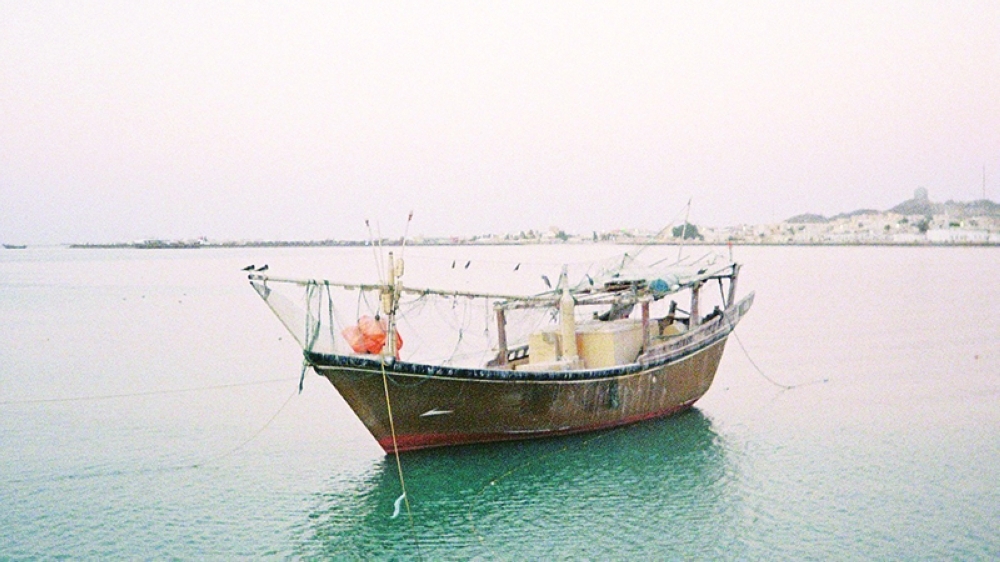
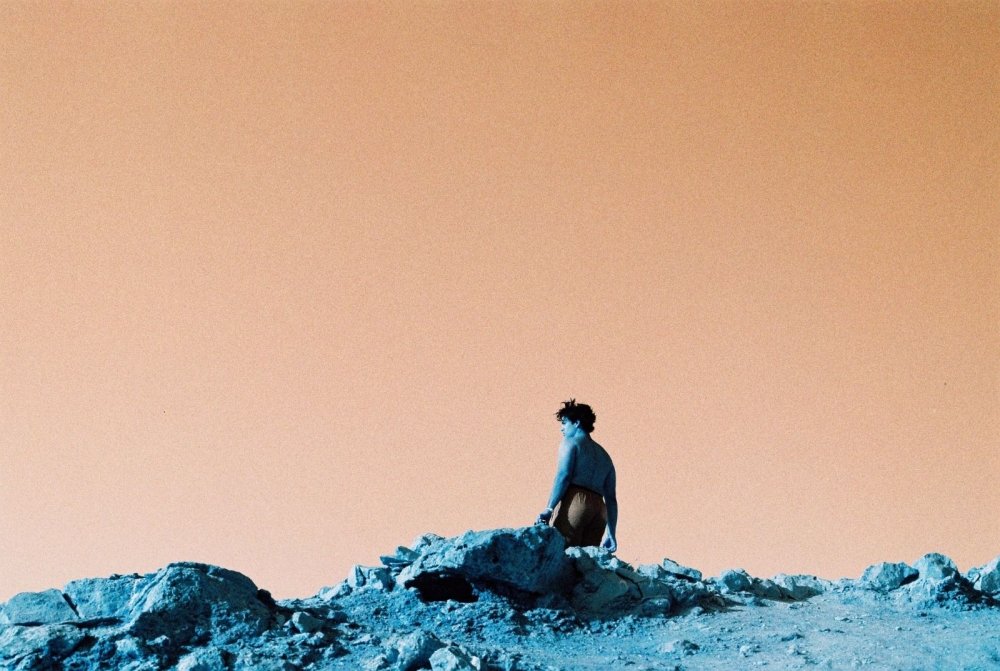
Through grain, texture and subtle colour shifts, Melissa transforms familiar scenes into images that feel suspended between memory and time.
“Film deepens the grain and renders photographs in a way that feels somehow nostalgic, echoing the timelessness of Oman itself”, Melissa said, explaining why she intentionally chose 35 mm film for the project. “The unpredictability of film mirrors the rawness of Oman’s terrain — imperfect, textured and alive”.
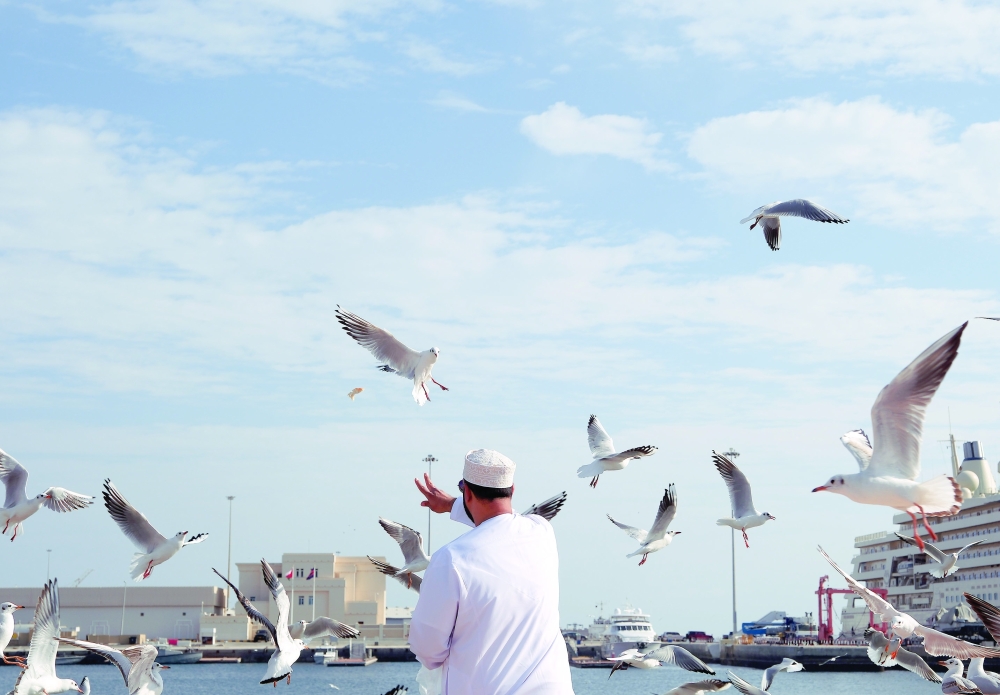
For a photographer whose work has largely focused on chaotic urban streets, Oman presented an entirely different rhythm.
“I’m usually not particularly drawn to landscapes since I normally enjoy shooting chaotic street photography”, she said. “But the immersiveness of Oman’s landscapes pushed me out of my comfort zone and encouraged me to explore new photographic scenarios”.
Her fascination with the Arab world had long placed Oman high on her travel list. Last winter, after taking time away from her full-time role at an analogue photography company in Vienna, she finally arrived in the Sultanate of Oman, eager to explore its visual language.
What emerged was not simply a travel photography project, but a meditation on solitude, scale and belonging.
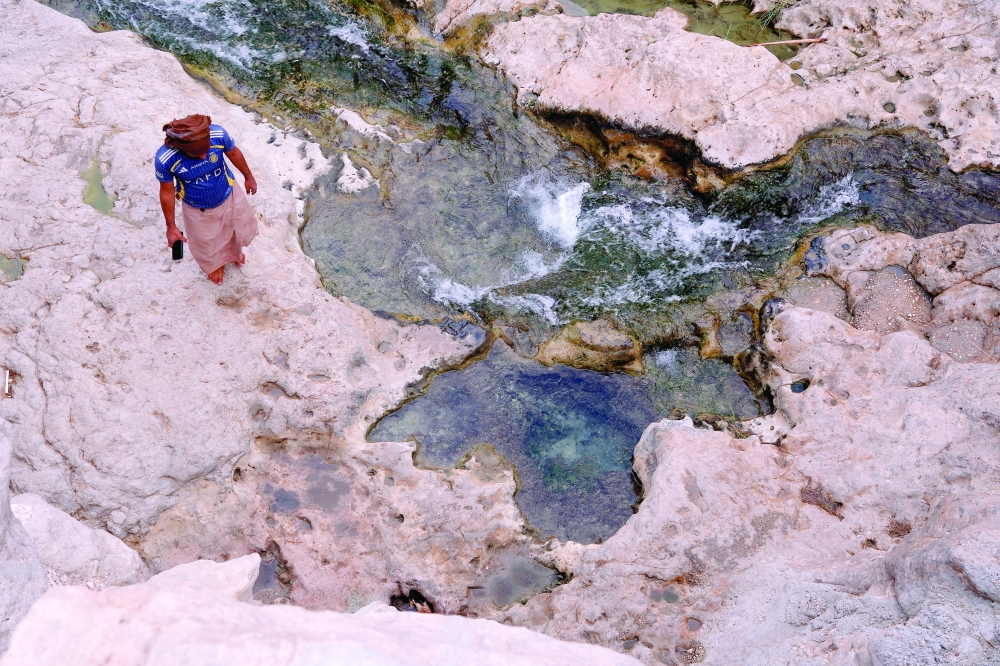
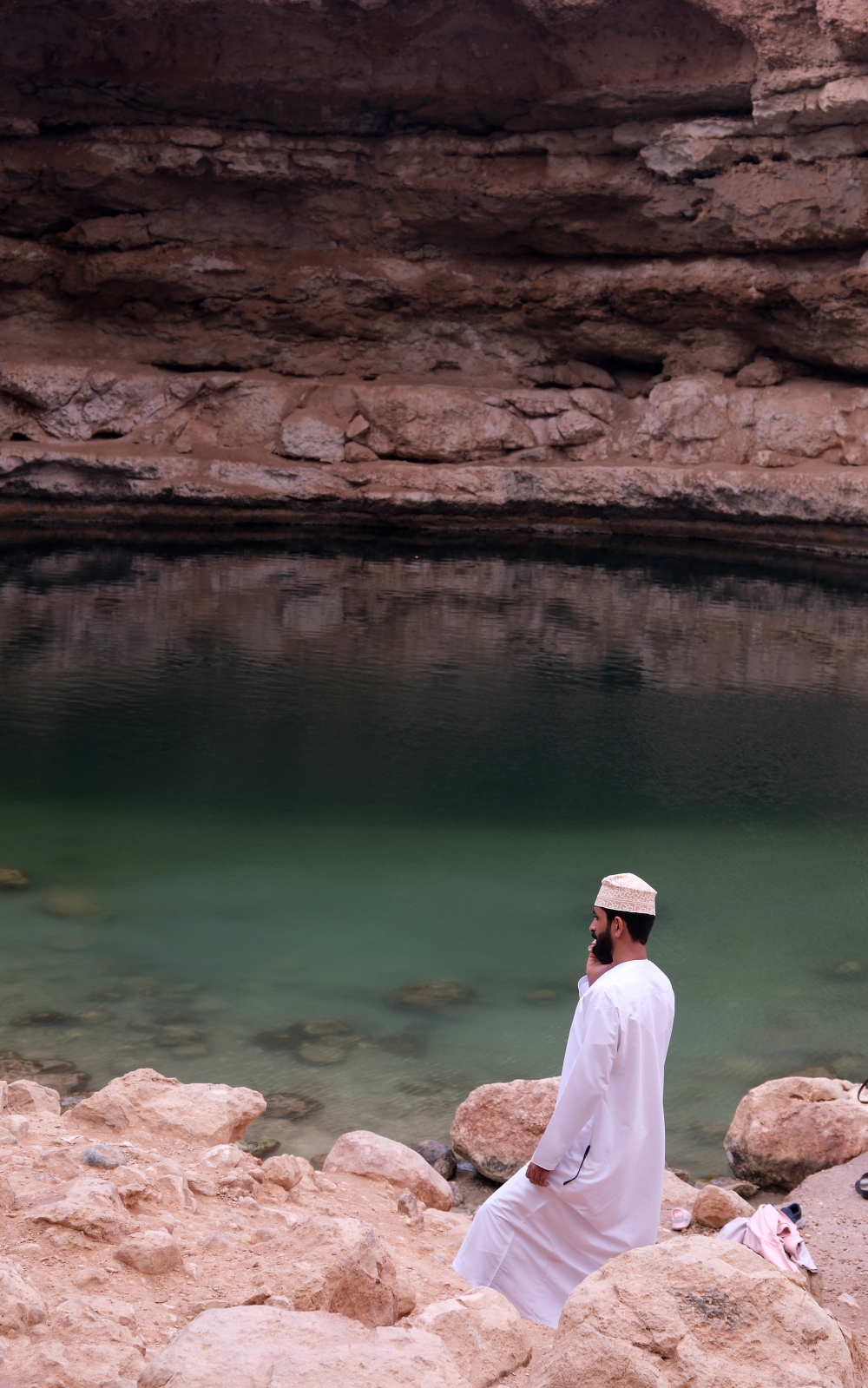
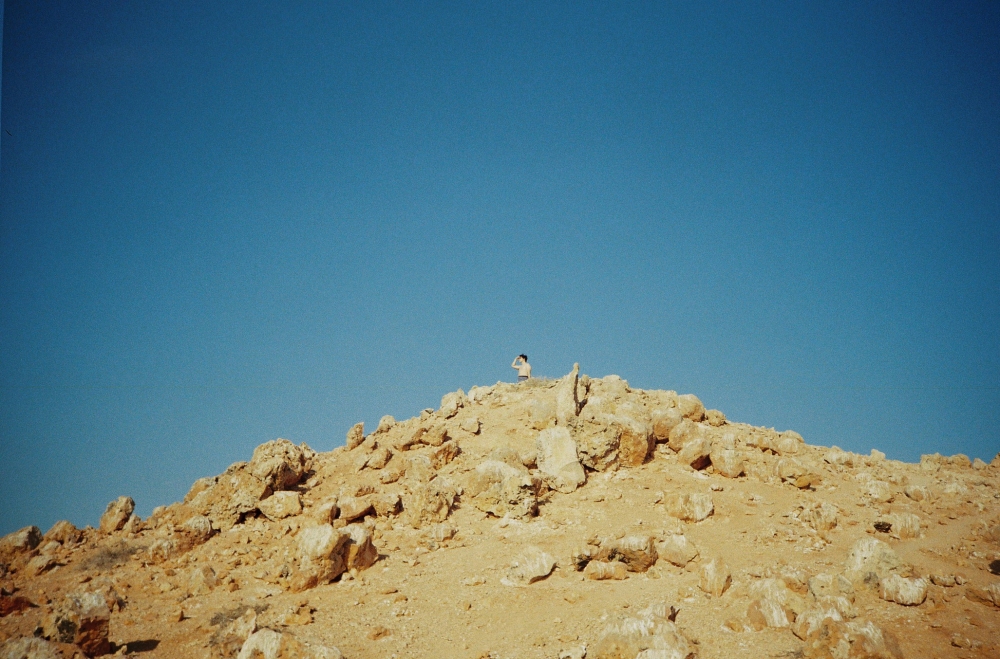
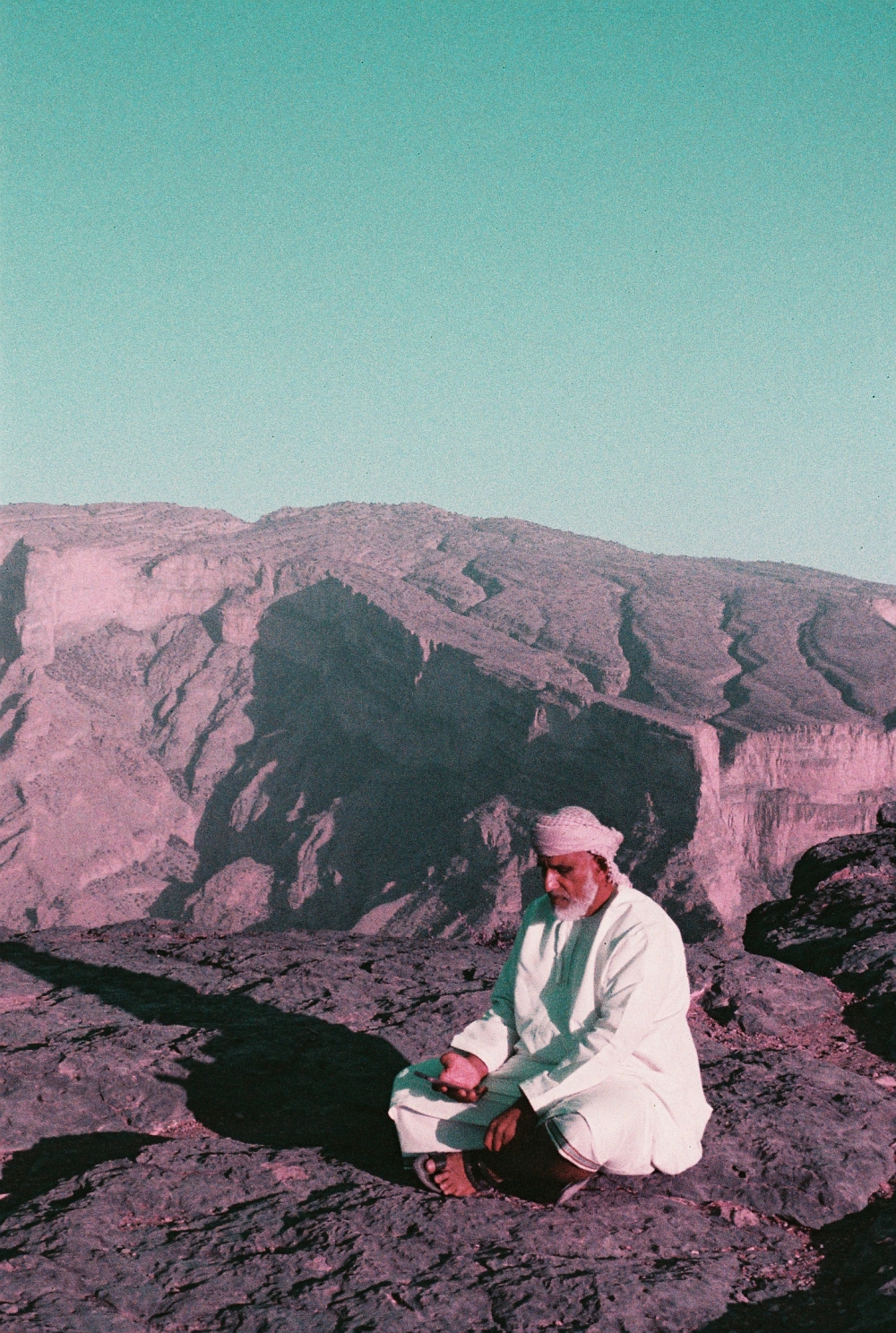
Many of Melissa’s images place solitary human figures against Oman’s immense landscapes — men in traditional attire standing quietly within mountain ranges, open desert stretches and windswept terrain. The compositions are deliberate, underscoring the relationship between people and place.
“Placing people within vast landscapes allows me to highlight both the scale of nature and the small yet meaningful role humans play within it”, she explained. “It creates a visual dialogue between the individual and the space they inhabit”.
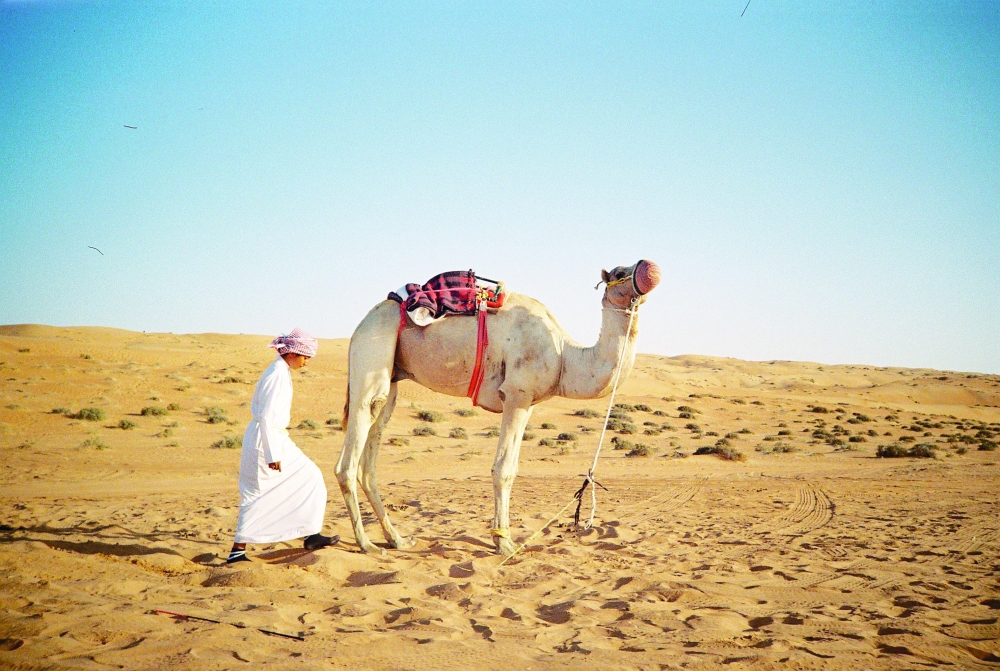
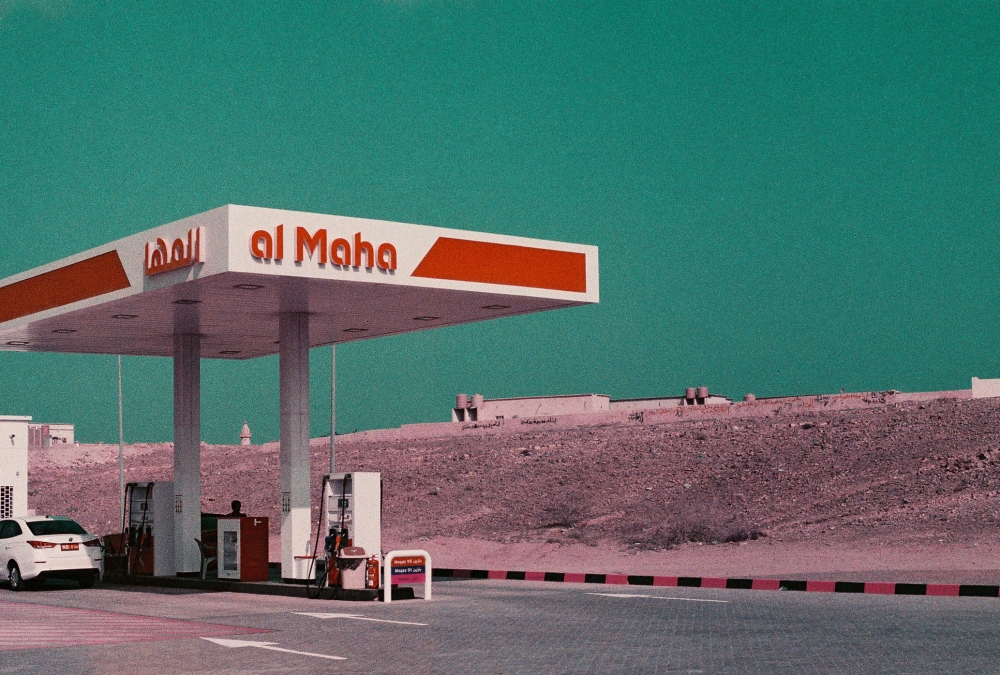
Her work also explores the intersection between Oman’s traditions and modernity. One striking image captures a lone petrol station emerging from an arid expanse — a geometric interruption amid ancient terrain.
“The solitary petrol station speaks to the long desert roads that cut through the country — in-between spaces where infrastructure interrupts Oman’s ancient terrain”, she said. “It reflects the dialogue between tradition and rapid development, isolation and connection”.
Experimentation with colour-shifting films further deepened the atmosphere of the project, subtly altering tones and enhancing the emotional resonance of the landscapes.
“I believe using colour-shifting films added an extra sense of grandeur and atmosphere to the landscapes”, Melissa said. “It gave the images a more expressive and distinctive visual character”.

Melissa’s works have been exhibited across Europe, including at the Forum Austriaco di Cultura in Rome, the Fotografia Calabria Festival, the Afro-Asiatischen Institut QL-Gallery in Graz; and the Preus Museum, among others. Her multicultural identity — shaped by Filipino and Italian roots and life in Vienna — has also influenced the way she documents unfamiliar places.
“Living between different cultures has made me more attentive to cultural nuances and everyday details that might otherwise go unnoticed”, she reflected.
Yet, among her many photographic journeys, Oman appears to have left a lasting impression.
Through film grain, silence and carefully framed solitude, Melissa’s lens reveals an Oman that is not empty, but deeply inhabited — remembered in landscapes, carried in traditions and etched into the quiet textures of rock, shadow and human presence.
Oman Observer is now on the WhatsApp channel. Click here