




Mohammed al Shabibi
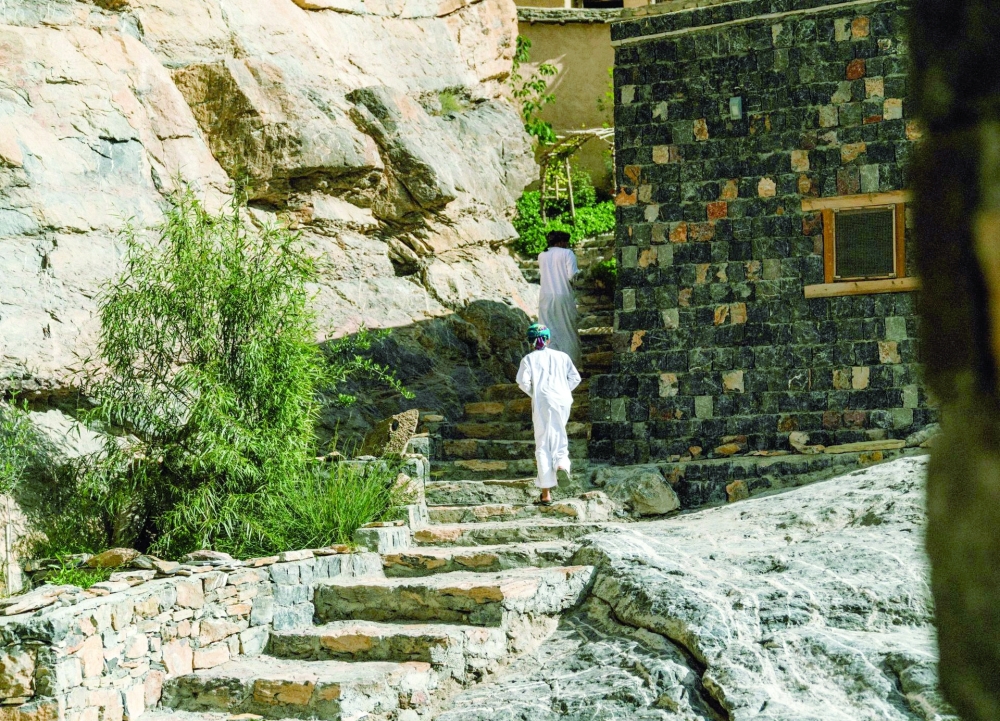
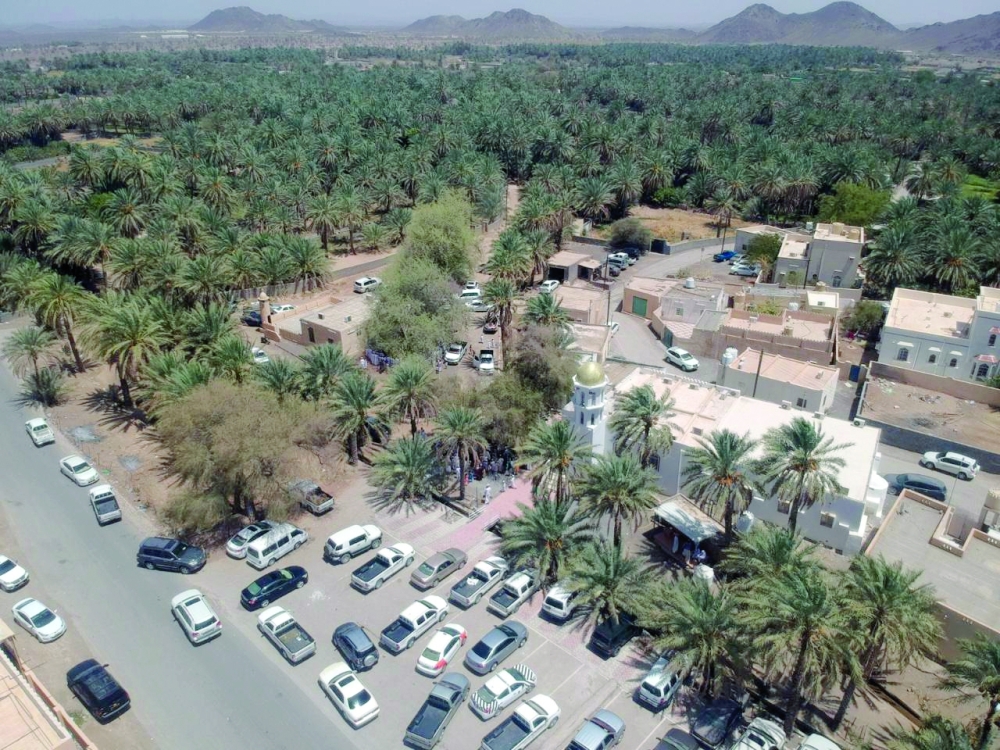
Lizq village carries the spirit of Oman’s past, where the fragrance of history blends beautifully with cherished childhood memories. The scent of olives and basil spreads through the narrow pathways, while streams flow gently through the channels of Falaj Al-Duwaikhli, nourishing farms and colourful flower-filled gardens. Together, they create a true reflection of the beauty of Lizq village.
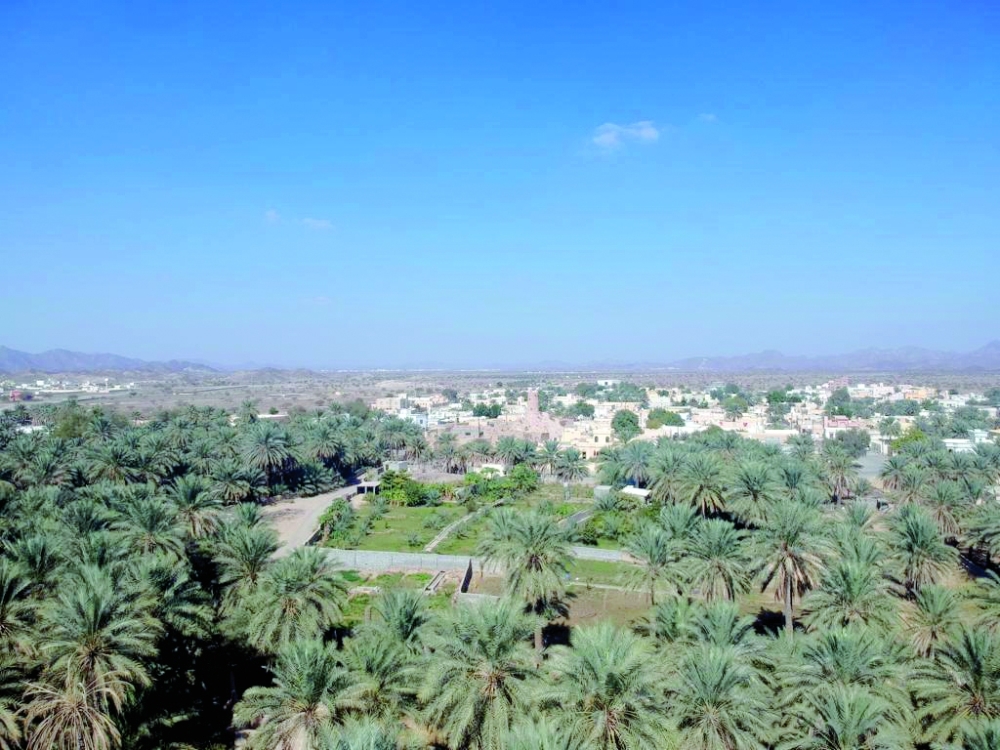
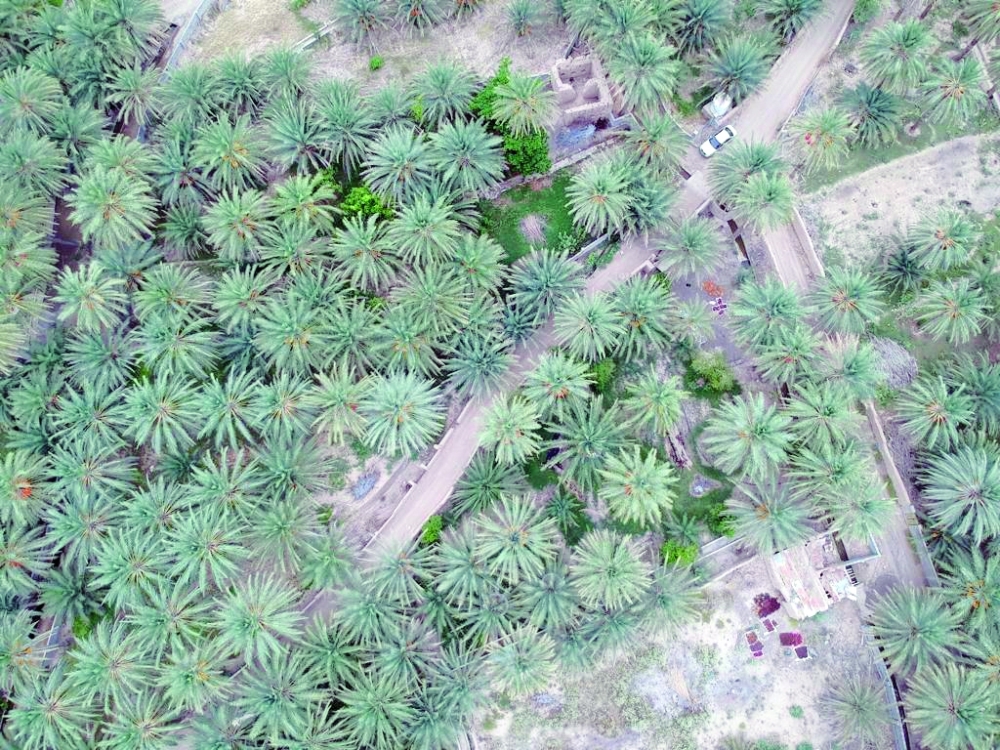
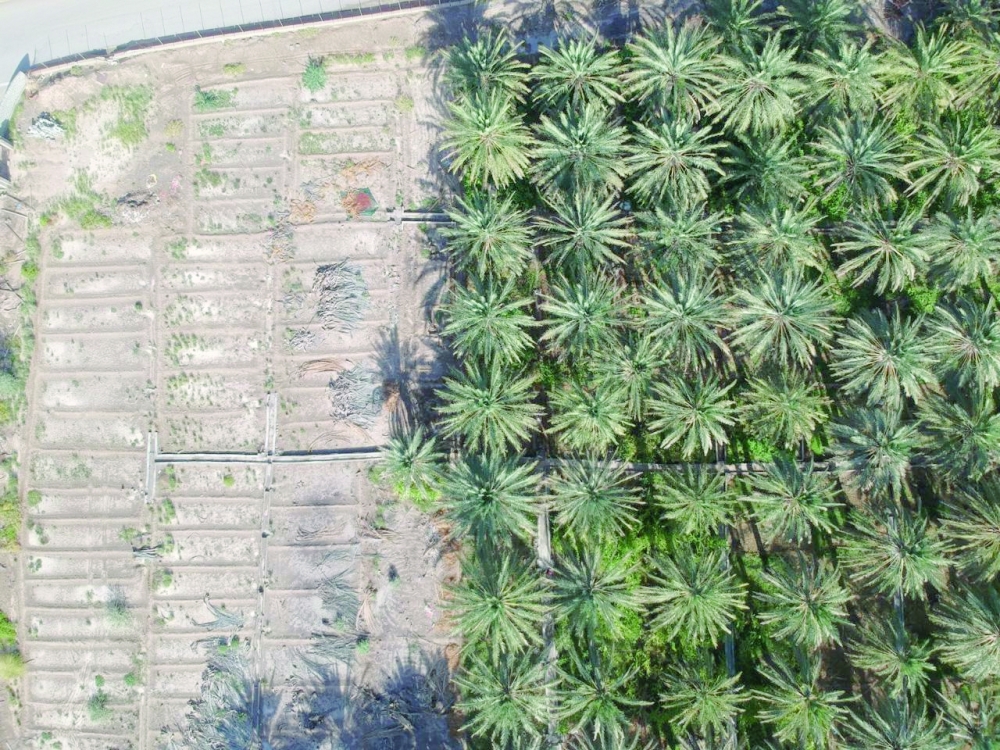
Located in North Al Sharqiyah, in Wilayat Al Mudhaibi, approximately 150 kilometres from Muscat, Lizq has long been known for its rich agricultural heritage, particularly the cultivation of date palms and alfalfa, much like many other villages in Oman. The village was once known as Al Rakhunah, a name believed to be derived from the Arabic word “Rakha,” meaning prosperity and abundance. The name reflected the village’s fertile farming lands, flourishing date palm plantations, and plentiful water supply.
The current name, Lizq, also carries a story passed down through generations. Elders say the village was named “Lizq” because of the way the surrounding mountains appear attached and closely connected to one another. Visitors can clearly witness this unique landscape from both the southern and northern sides of the village. Several smaller villages, including Al Saleel, Muayqil, Daqeeq, and Al Kahla, are considered part of Lizq.
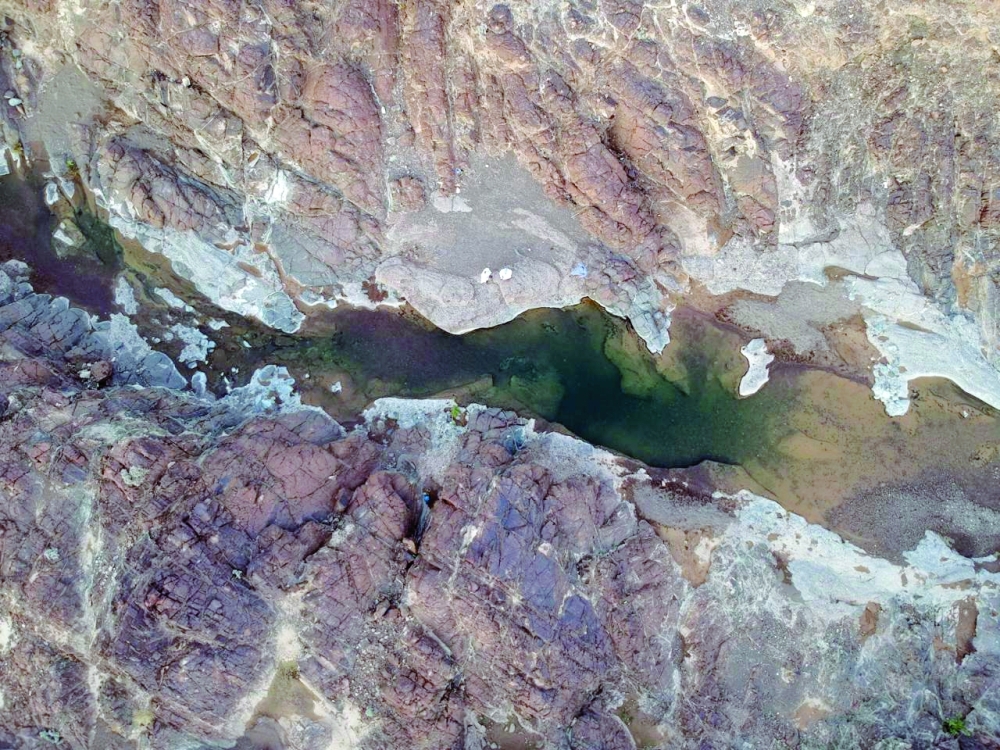
Happiness spread throughout the village when residents celebrated the return of underground water to Falaj Al-Duwaikhli after an interruption that lasted for nearly a month. The return of the water came as a result of the heavy rainfall brought by the recent weather depression, “Masarat,” restoring life to the falaj and bringing relief and joy back to the people of Lizq.
“We are truly overwhelmed with joy to see the falaj’s water flowing again after weeks of hardship and suffering for many farmers in Lizq village. The interruption greatly affected our farms, palm trees, and crops that we have relied on for generations.
Today, life has finally returned to our fields once again. We are deeply grateful to the government authorities for their support, and we sincerely appreciate the people of the village whose donations and cooperation helped repair and redirect the damaged water channel. This reflects the unity and strong spirit of our community,” said Issa Al Shabibi, one of the farm owners in Lizq village.
The aflaj system, with its three types — Dawoodi, Ghaili, and Wadiani — is considered the lifeline of agriculture and local communities, with a relationship to society much like the soul’s connection to the body, inseparable from one another.
Falaj Lizq is classified as a Dawoodi falaj, a traditional underground water system that relies on deep subterranean channels to transport water over long distances. It extends from its mother well to the heart of the village for an estimated distance of seven to nine kilometres, continuing to sustain farms and daily life for generations.
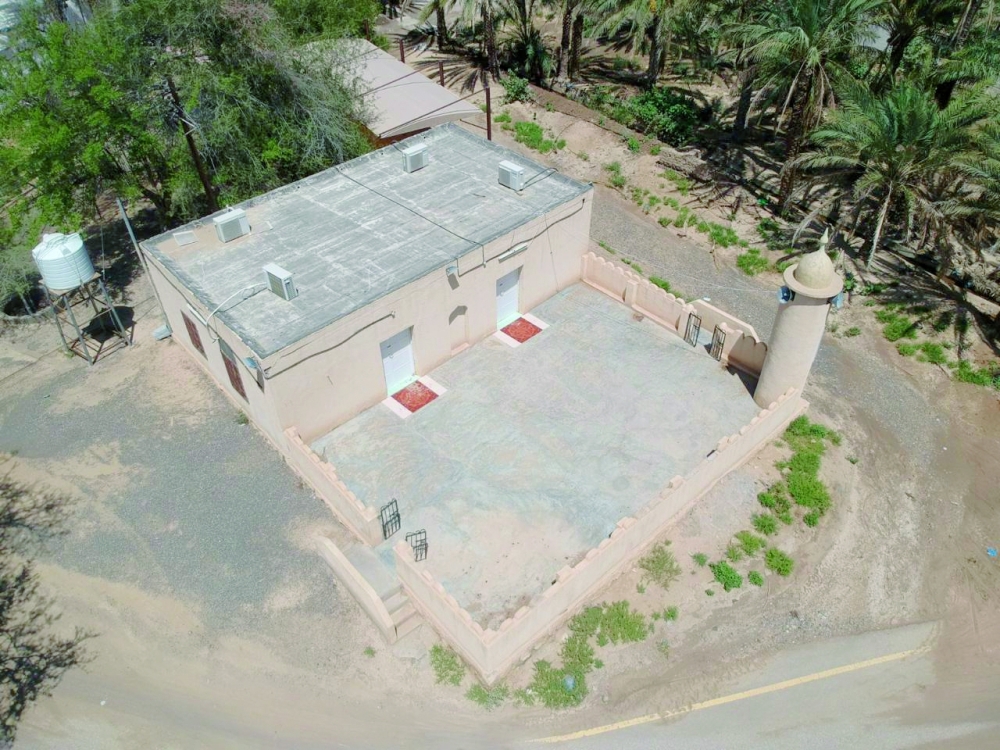
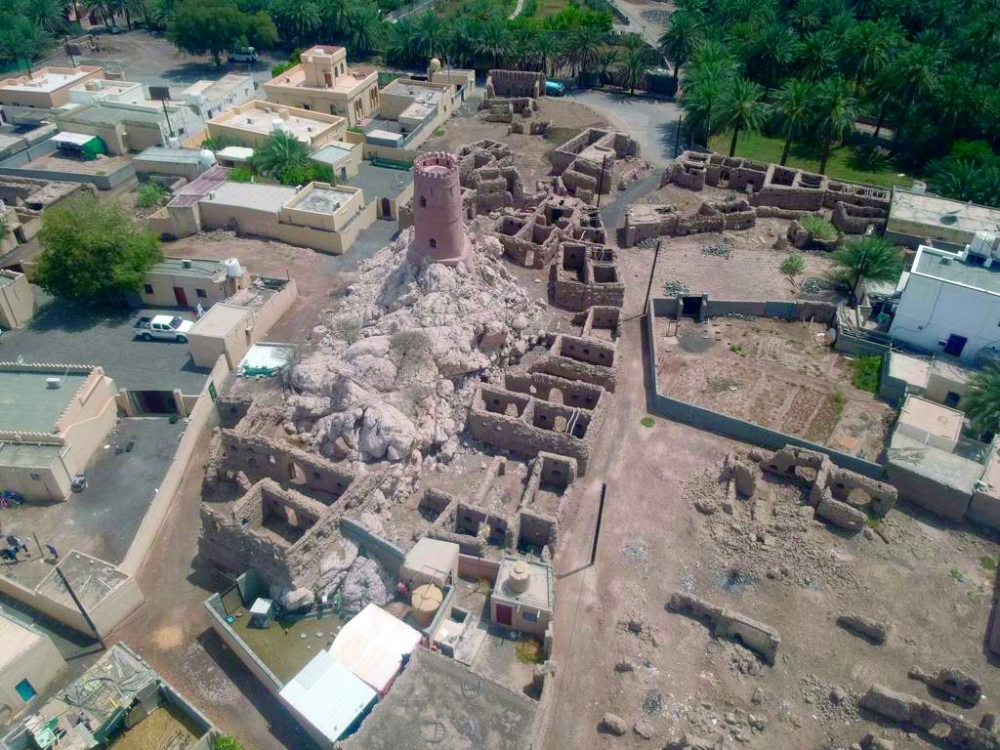
Moreover, the village is home to several archaeological landmarks, including Lizq Tower, which is considered part of Oman’s rich heritage and reflects the beauty of traditional Omani architecture. Oman is widely known for its ancient forts and towers, and Lizq Tower was originally built for defensive and monitoring purposes, protecting the village from attacks. Today, the tower remains an important symbol of Omani history and culture, as well as a popular attraction for visitors.
In addition to its cultural, social, and touristic value, Lizq also served as an important passage point for trade caravans travelling between Oman’s interior and eastern regions, giving the village economic and social significance throughout history.
Oman Observer is now on the WhatsApp channel. Click here