




In the dim light beyond Muttrah’s old gate, a child once stopped to stare at a group of figures wrapped in cloth, their empty bowls stretched toward passing strangers. The sea breeze carried the salt of the harbor, but also the silence surrounding those abandoned by illness.
“Can they be cured?” the boy asked his father.
“Not yet,” came the answer. “But perhaps one day. And perhaps you will have a role in that.”
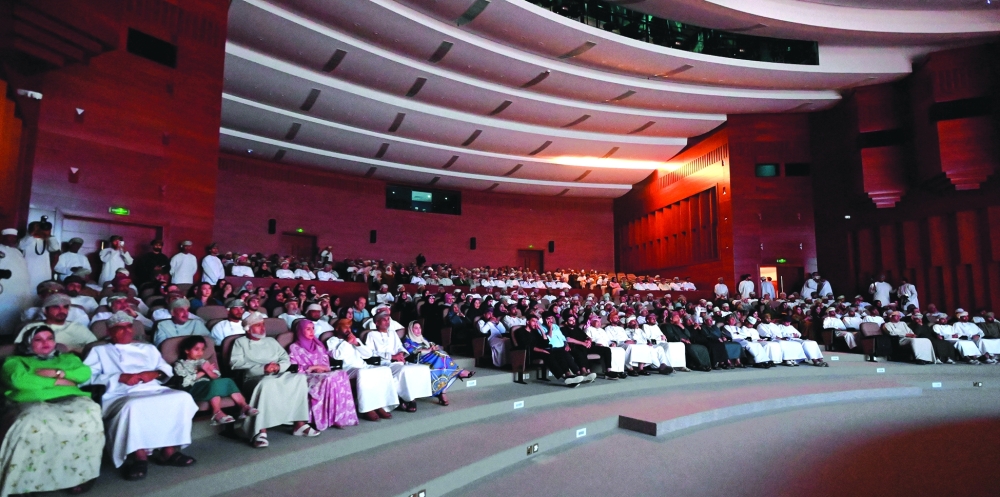
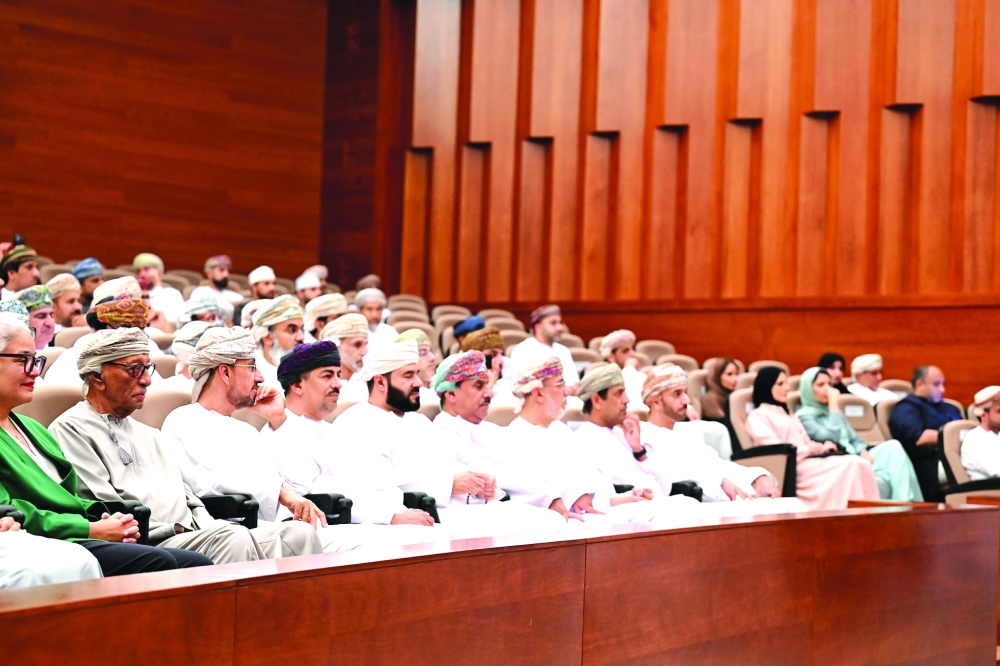
More than a century later, that fleeting moment became the emotional heartbeat of Al-Dakhtar Thoms, the new documentary launched in Oman by the Ministry of Information at the Ministry’s theater, in the presence of the Minister of Information and an audience of journalists, historians, and cultural figures.
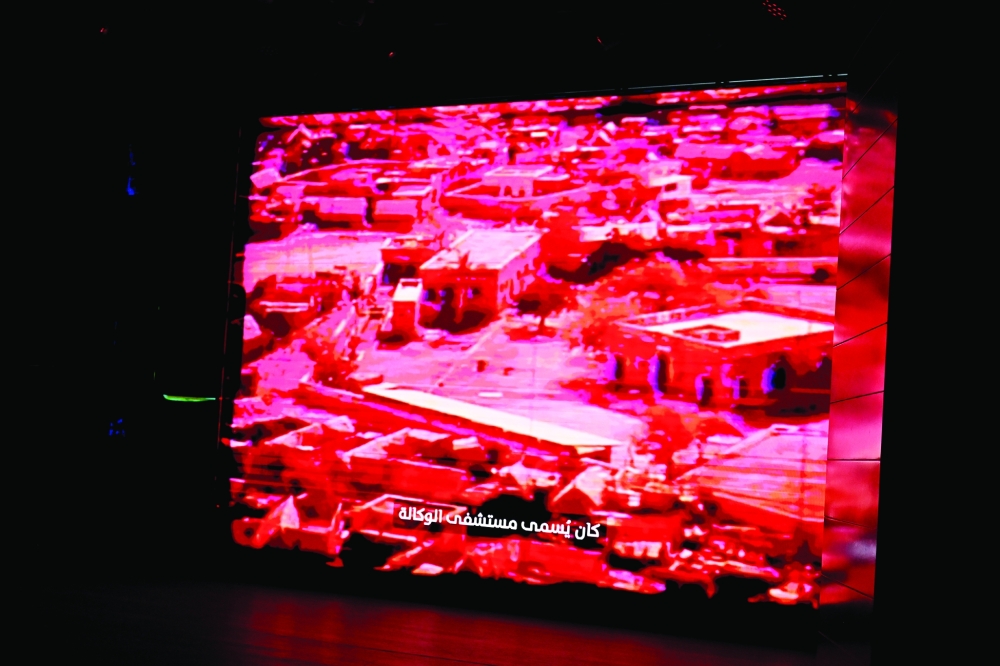
Yet the film is not merely a biography. It is a portrait of a country in transition, and of a doctor whose name quietly embedded itself into Oman’s collective memory.
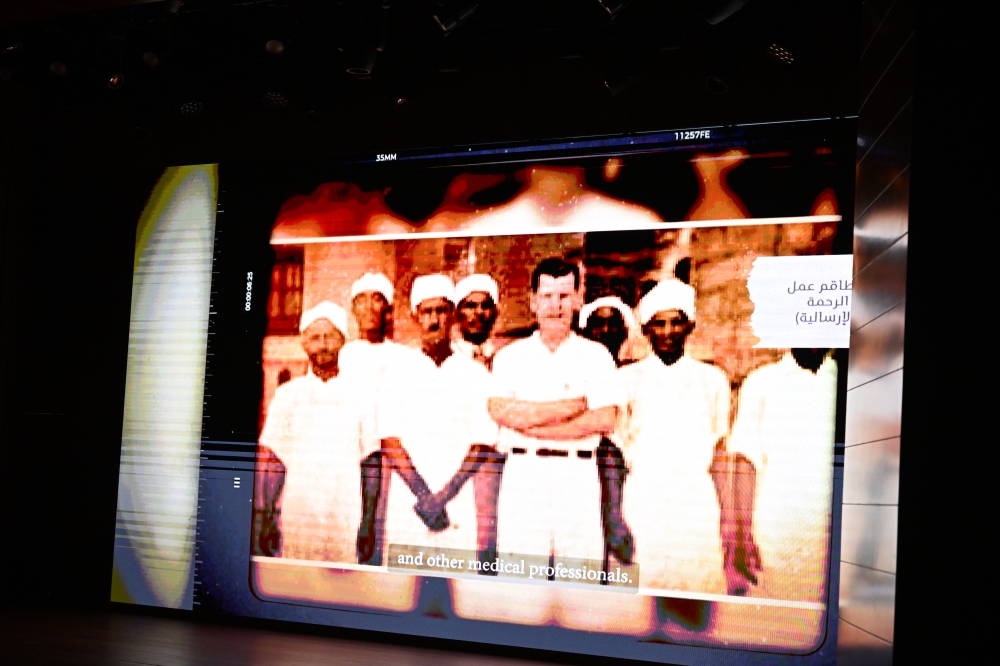
The documentary traces the extraordinary journey of Dr. Wells Thoms, affectionately known among Omanis as “Al-Dakhtar Thoms,” whose life became inseparable from the story of modern healthcare in Oman. Through archival photographs, family testimonies, dramatized scenes, and rare recordings, the film reconstructs an Oman burdened in the early twentieth century by cholera, malaria, dysentery, leprosy, and blindness caused by trachoma.
What gives the documentary its emotional weight is not statistics or historical chronology, but intimacy.
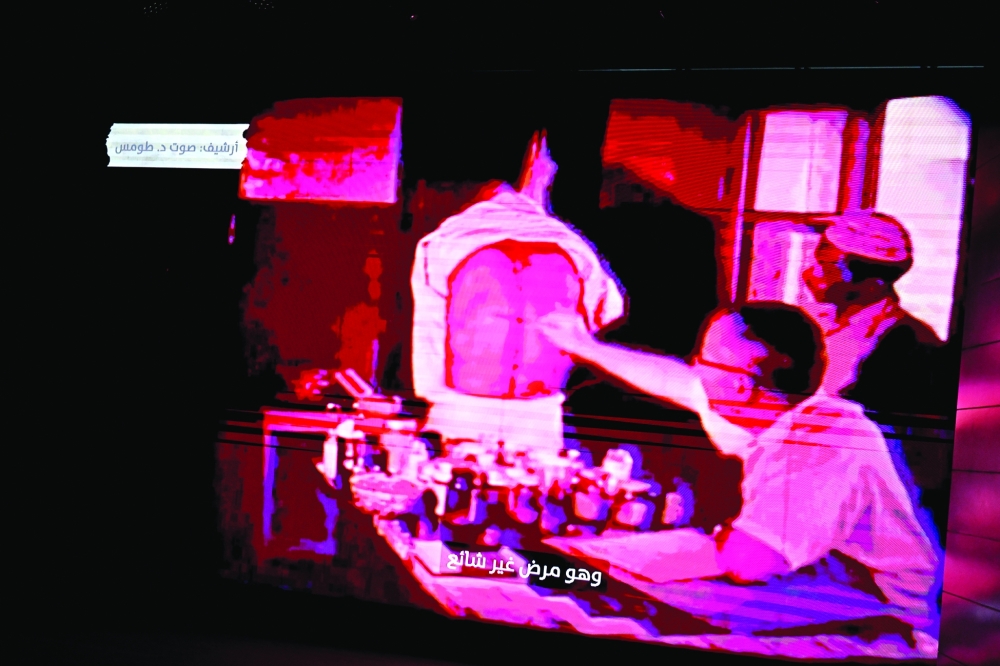
The audience sees a young Wells arriving in Muttrah with his missionary father, Dr. Sharon Thoms, whose home in Bait al Baranda doubled as a clinic and pharmacy. They witness tragedy too, the death of his mother from typhoid in Bahrain, followed years later by his father’s fatal accident while installing a telephone line between Muscat and Muttrah. The family returned to America in hardship, yet the memory of the leprosy patients never left the boy who had once stood at Matrah’s gate.
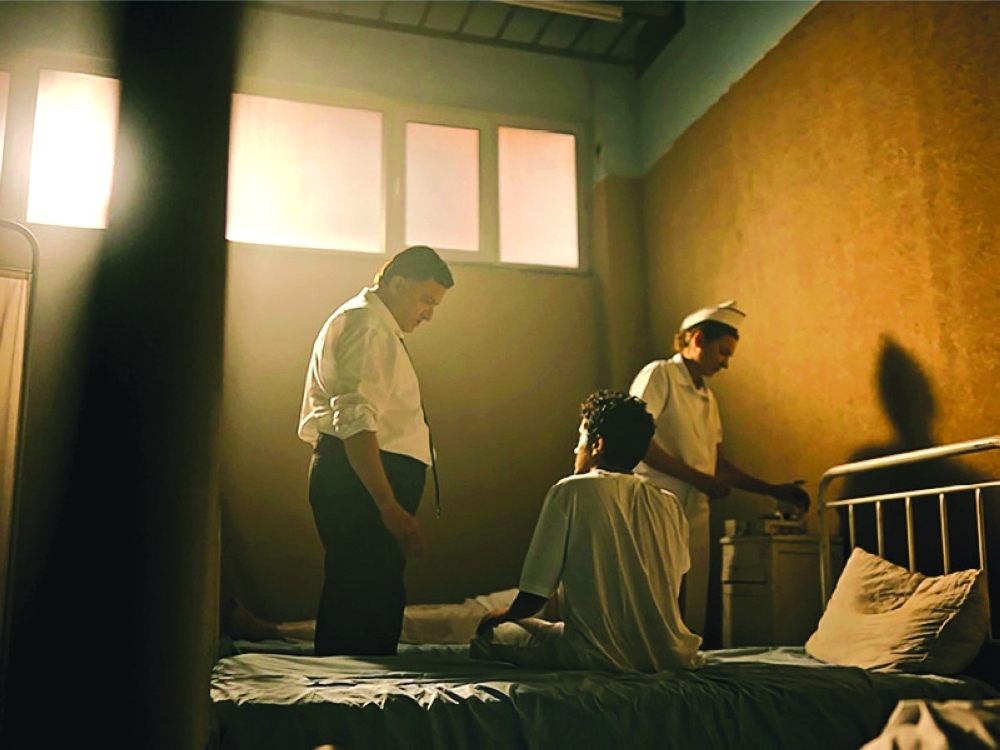
Instead of pursuing a prestigious surgical career after graduating from the University of Michigan, Wells Thoms chose to return to the Gulf. By 1939, he was back in Oman with his wife Beth, reviving a struggling hospital that would later become known among locals simply as “Thoms Hospital.”
The film’s most moving passages emerge through the voices of his children and relatives. His daughter Louise recalls him addressing patients not by titles, but as “my mother,” “my brother,” and “my son.” His son Norman remembers evenings spent among Omani families, sharing dates and coffee while his father spoke fluent Arabic and blended seamlessly into local life.
One story stands out with near cinematic symbolism. During a journey to Dhofar with Sultan Said bin Taimur, Dr. Thoms noticed mosquitoes swarming from several wells while one remained untouched because of tiny fish living inside it. His recommendation to distribute the fish reduced mosquito populations and helped combat disease, proof that medicine sometimes begins with observation rather than instruments.
Another unforgettable scene recounts a young Louise assisting her father during surgery inside Nizwa Fort, holding a lamp while he operated on Imam Mohammed bin Abdullah al Khalili using a makeshift operating table fashioned from a door.
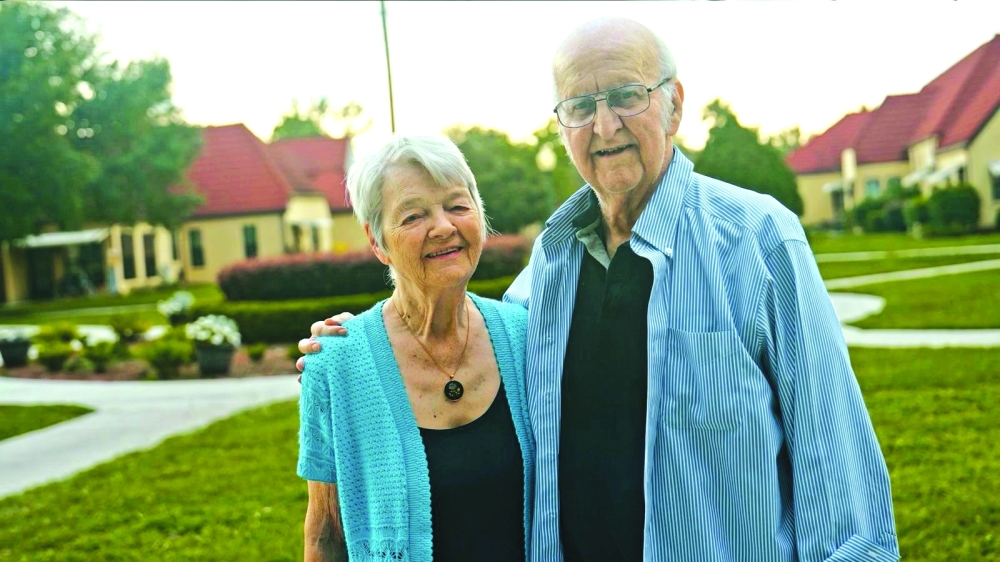
The emotional core of the premiere, however, arrived not on screen but through a message shared from abroad by Dr. David Dickson, author of Dr. Thoms’ biography and husband of his daughter. Unable to attend due to family health circumstances, he described the documentary as a tribute to the countless Omani families whose lives were touched by the doctor and his medical team.
He spoke of a man who treated every patient “with compassion, dignity and care,” regardless of background or wealth, and recalled how Dr. Thoms consistently placed the mission and the people around him before himself.
Quoting one of the doctor’s close colleagues, Dickson described him as “a man of integrity” whose priority was never personal recognition, but service.
The documentary also carries the voice of those who knew him personally. Former nurse Khalfan al Akhzami recalls that Dr. Thoms never raised his voice, even under immense pressure. “Brother,” was all that he would gently say whenever tensions rose.
Perhaps that is why the film resonates beyond nostalgia. It documents not simply a foreign doctor in Oman, but a relationship built on dignity, humility, and trust. Long before modern hospitals spread across the country, there was a man who crossed deserts and villages carrying little more than medical tools, compassion, and an unwavering belief that no patient should ever be abandoned.
Photos by: Khalfan Al Ruzaiqi
Oman Observer is now on the WhatsApp channel. Click here