




MUSCAT: The Sultanate of Oman is emerging as a strategic testing ground for new flare-gas monetisation technologies as a partnership unveiled at the Oman Petroleum & Energy Show (OPES) 2026 seeks to convert stranded and flared gas into power for industrial and high-density computing applications.
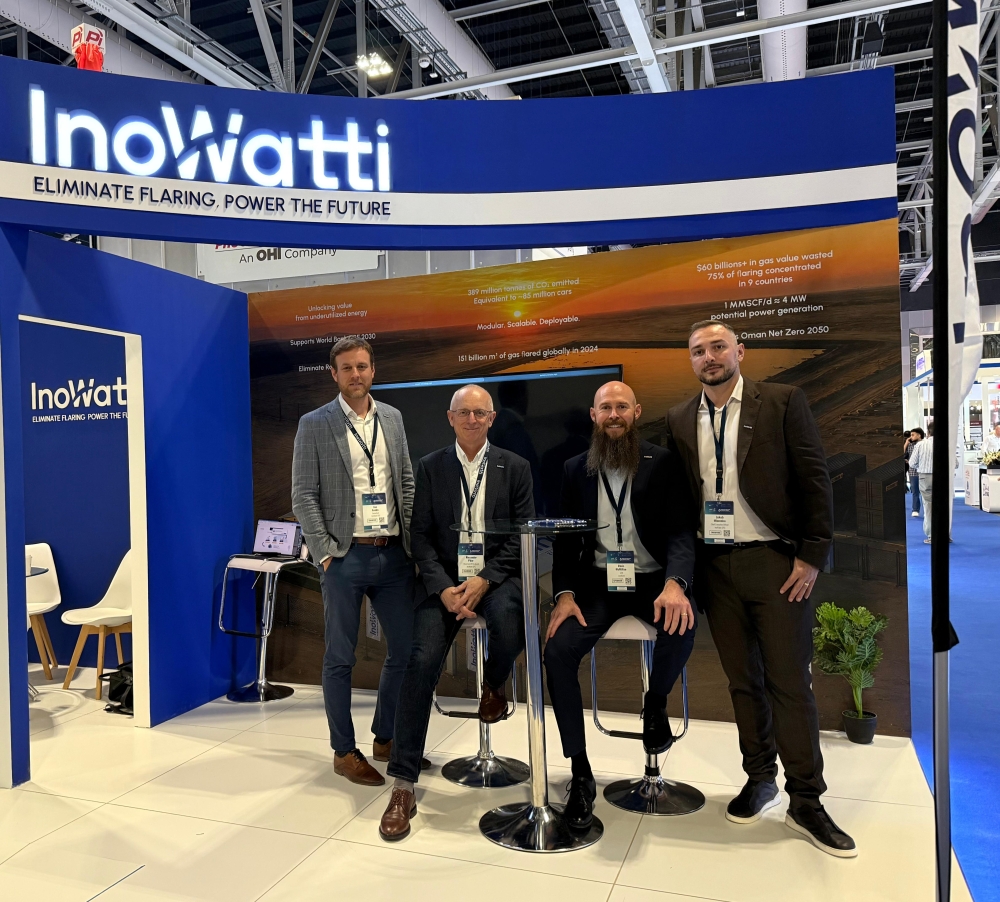
Czech technology firm InoWatti and Aggreko Middle East signed a Memorandum of Understanding (MoU) during the event to jointly advance modular flare-gas-to-power projects in Oman, targeting remote and smaller oilfield operations where permanent infrastructure is often uneconomical.
The agreement comes as Oman accelerates efforts to reduce emissions and improve energy efficiency under Oman Vision 2040, while maintaining the competitiveness of its oil and gas sector.
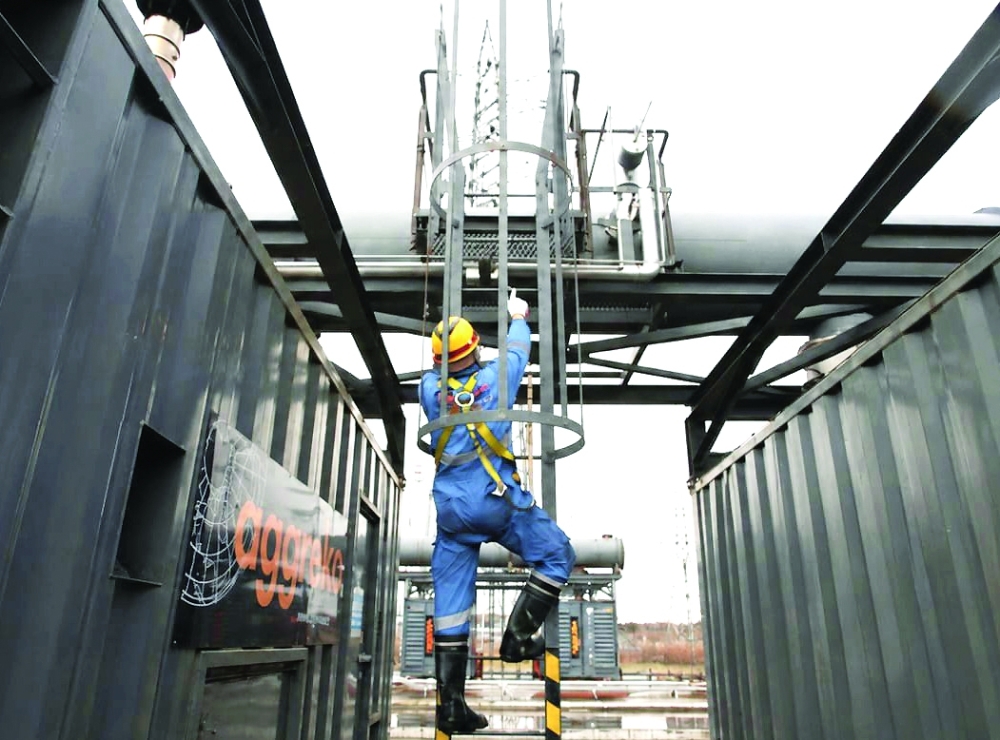
Under the arrangement, Aggreko will provide gas-to-power generation systems and engineered energy solutions, while InoWatti will lead commercial development, including identifying suitable sites, engaging operators and integrating mobile high-performance computing (HPC) infrastructure.
The partners said the initiative is designed for flare-gas environments where pipeline connections or processing facilities are not commercially viable, particularly in early-stage production sites, remote oilfields and locations with intermittent gas streams.
In an interview with the Observer, Alex Pilar, Chairman of the Board of InoWatti, said the Sultanate of Oman has become a key focus market for the company because of its mature energy industry and long-term sustainability ambitions.
“Oman combines several factors that make it highly relevant for our business: a mature oil and gas sector, a clear commitment to environmental progress and a business culture built on long-term relationships”, Pilar said.
He noted that InoWatti has spent nearly two years building local relationships and establishing a fully owned subsidiary in Oman as part of its long-term strategy in the country.
Industry experts say flare-gas utilisation remains one of the key operational and environmental challenges facing oil producers globally. Associated gas produced alongside oil is often burned off in remote fields due to the high cost of transportation and processing infrastructure.
Jakub Hlavenka, Chief Executive Officer of InoWatti, said the company’s model focuses on mobility and flexibility rather than large fixed infrastructure.
“The problem is routine flaring of associated gas. In many oil fields, especially smaller or remote locations, gas is produced together with oil, but there is no economically viable infrastructure to use it”, Hlavenka said.
“Our approach is different because we combine modular gas-to-power systems, mobile HPC data centres and modular power distribution infrastructure that can be deployed directly at the field and relocated later if conditions change”, he added.
According to Hlavenka, the approach creates an additional revenue layer by converting previously wasted gas into productive energy, improving the economics of flare reduction projects in areas where conventional infrastructure would not normally be justified.
Pilar argued that the success of flare reduction initiatives depends on creating commercially viable business models rather than relying solely on regulation or penalties.
“Our view is simple: flare elimination must create value. When operators can generate economic returns from gas that was previously wasted, adoption becomes scalable and commercially rational”, he said.
The MoU also reflects increasing interest in modular and deployable energy solutions within Oman’s upstream sector, particularly as operators seek to balance decarbonisation targets with cost efficiency.
James Smith, Business Development Manager for Projects & Gas at Aggreko Middle East, said the collaboration would support operators looking for practical flare-reduction solutions.
“By pairing Aggreko’s gas-to-power capabilities with InoWatti’s commercial and flexible computing infrastructure, we see a clear opportunity to turn previously wasted gas into productive power”, Smith said.
Hlavenka said Oman is particularly suited for mobile flare-gas utilisation projects because of the presence of smaller and evolving production sites that may not justify large permanent infrastructure in their early stages.
For InoWatti, the immediate goal is to secure and execute its first operational project in Oman.
“We believe Oman has the potential to become a regional leader in practical flare-gas utilisation through deployable business models that actually work in the field”, Pilar said.
Oman Observer is now on the WhatsApp channel. Click here