




Where salt-laden air from the Gulf slips through stone corridors and the old forts still hold the warmth of centuries in their walls, “Spring Journey” unfolded as a four-day cultural experience that reimagined the city’s ancient forts as living spaces of art, storytelling and sensory discovery. From May 6 to 9, 2026, between 4 pm and 9 pm, three heritage sites across the capital were transformed into interconnected stations of reflection, each interpreting spring not just as a season, but as a metaphor for renewal, imagination and collective memory.
At the centre of the experience stood a curated dialogue between nature, creativity and place, where exhibitions, workshops and performances invited visitors to move through Muscat’s history with fresh eyes.
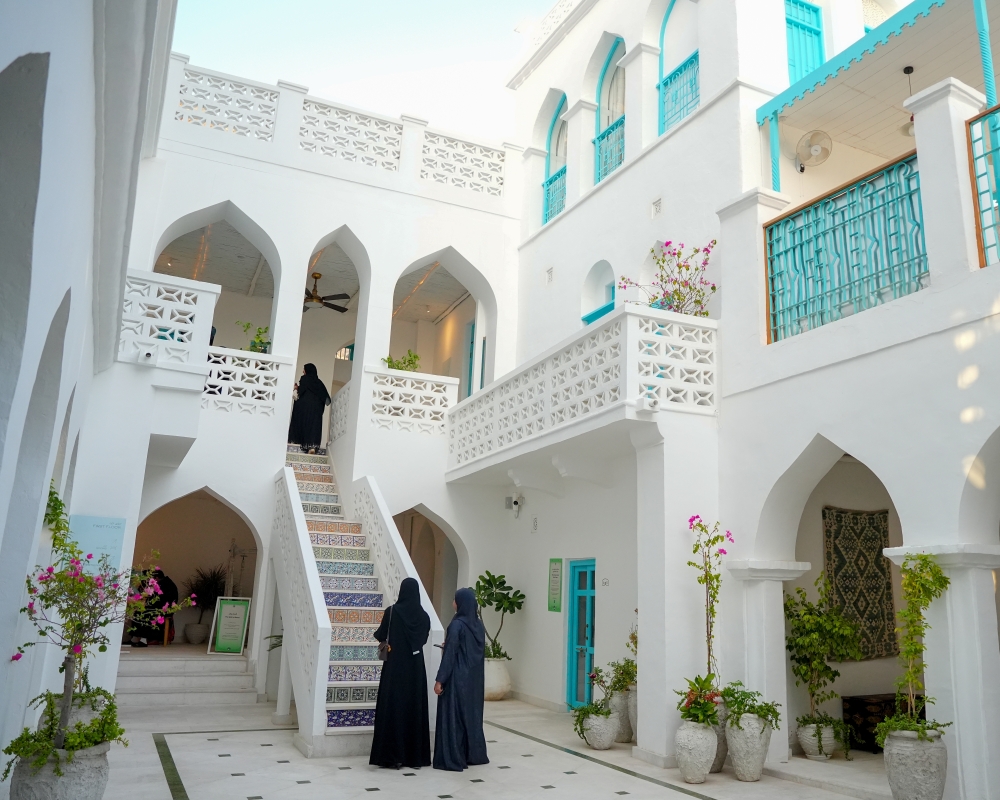
At Al Bait Al Sharqi, the exhibition “Bloom” became a living garden of scent and texture. It guided visitors through Oman’s botanical heritage and its deep ties to traditional perfumery. Works by floral artist Suhaila al Harthy of Robinia Flowers traced the journey of mountain roses from Al Jabal Al Akhdhar into contemporary artistic expression. The space felt intimate and immersive, layered with fragrance, memory and craft.
Alongside the exhibition, workshops curated by Mezrad encouraged hands-on engagement, while Mesa introduced a seasonal ice cream tasting experience inspired by Omani spring landscapes, blending taste with narrative in unexpected ways.
At Muttrah Fort, “Open Air” took off with stone ramparts overlooking the sea and posing a stage for cultural encounter. The fort hosted live demonstrations of traditional Omani falconry, reconnecting audiences with one of the region’s oldest ecological and hunting traditions. Against the wide horizon of Muttrah’s coastline, the birds moved with precision and silence, echoing a heritage shaped by patience, balance and deep reading of nature.
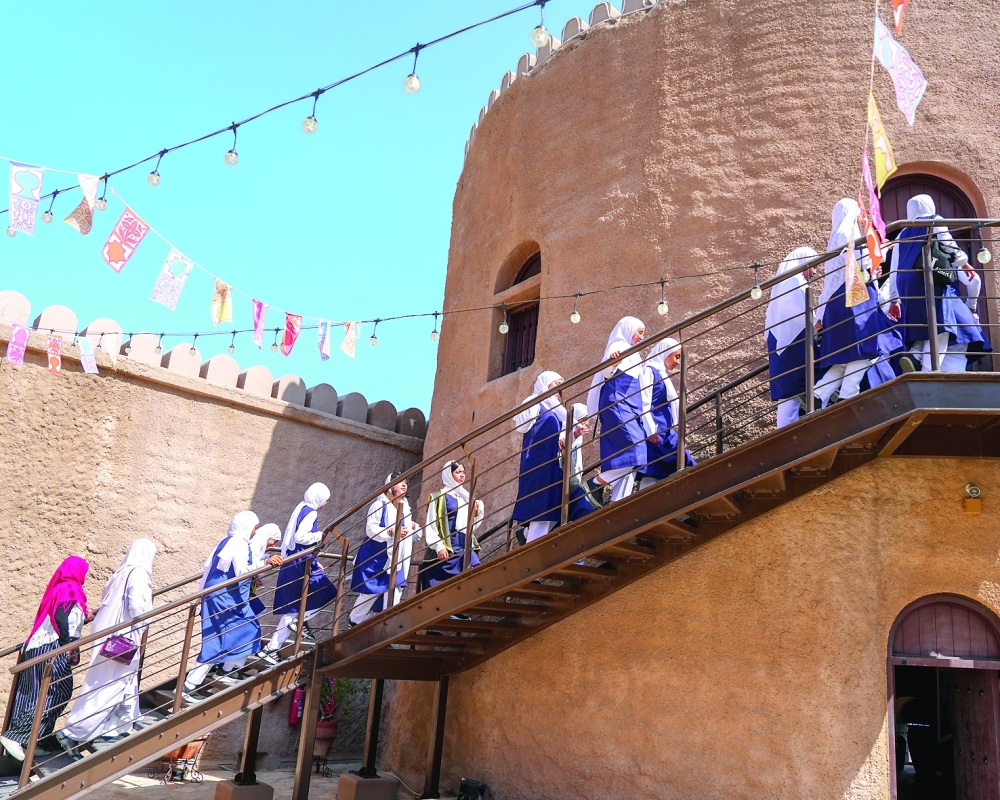
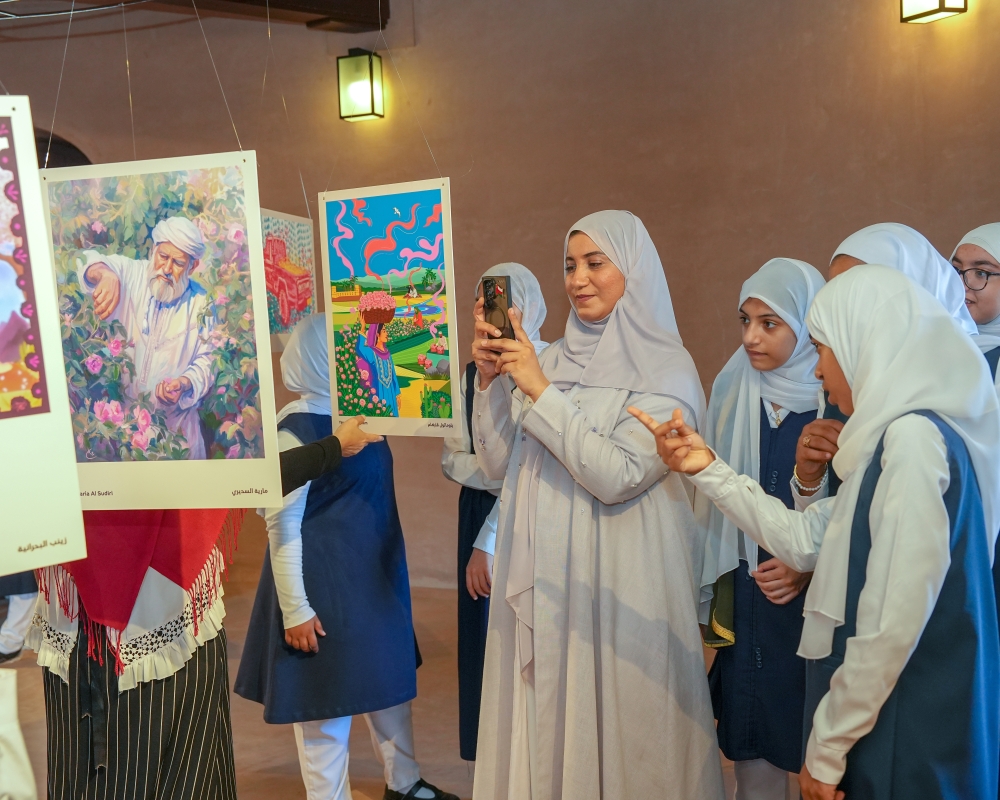
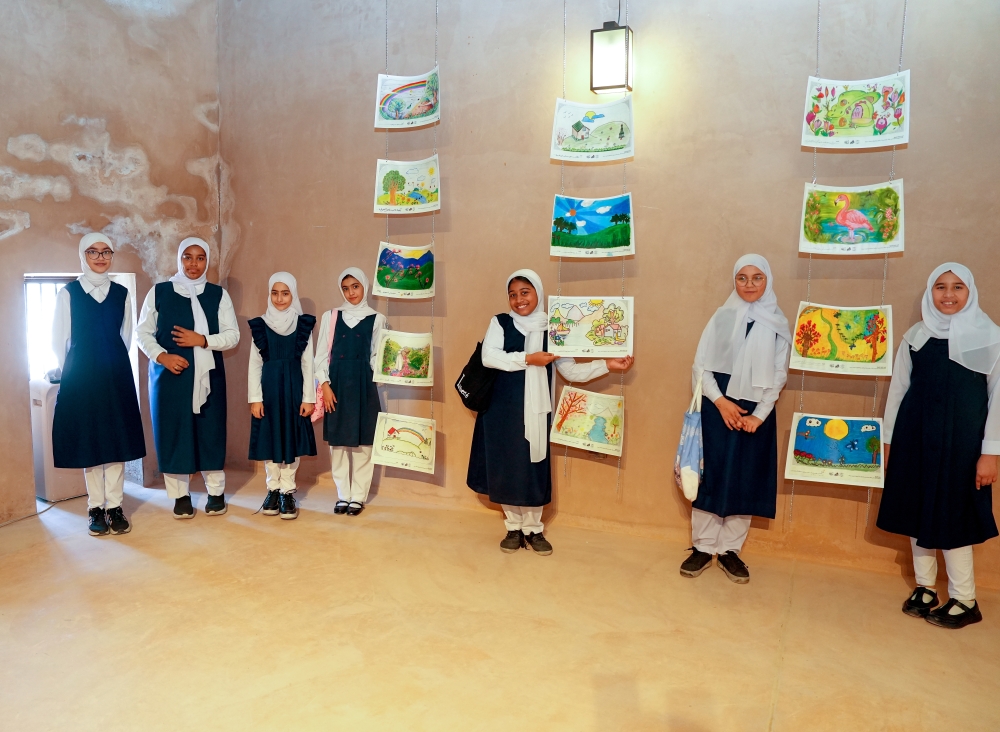
At Al Mirani Fort, the experience of “Observe” shifted into a collective archive of visual storytelling. Three parallel exhibitions turned the fortress into a hub of contemporary expression, a photography competition showcasing winning works and shortlisted entries, a digital art exhibition featuring emerging visual voices and a community project titled “Spring as We Imagined It”, created in collaboration with Al Zahra’a School in Old Muscat. More than 40 paintings by young students filled the fort’s interior with bold, unfiltered interpretations of spring, turning childhood imagination into a public visual narrative.
For Omani artist Hussain al Ghamlasi, who worked closely behind the scenes, the experience carried both artistic and personal weight. He described “Spring Journey” as a surreal and extraordinary experience, where flowers became emotional language and artistic collaboration formed the true heartbeat of the event. He emphasised the importance of the creative community supporting one another, noting that the initiative aimed to become a long-term cultural platform hosting regular workshops and exhibitions. For him, the most striking aspect was not only the quality of the artworks, but the shared commitment among artists to shape something larger than individual practice.
For visitor Fatma al Zadjali, the experience at Bait Al Sharqi lingered like a memory painted in colour and light. She described the exhibition as surpassing expectations, where floral installations and artistic works blended seamlessly with the fort’s calm blue and white tones. Walking through the space, she felt as though the architecture itself had softened into the artwork, walls reflecting petals, light dissolving into scent. The atmosphere, she noted, carried a quiet enchantment, where every corner seemed designed not just to be seen, but to be felt.
“Spring Journey” ultimately stitched together three historical landmarks, multiple artistic languages and countless personal encounters into one continuous narrative, where Muscat itself became both gallery and storyteller.
Oman Observer is now on the WhatsApp channel. Click here