




The world is constantly evolving, and values change within society. What holds significance for one generation may not for another. In this context, what about family - does its structure still hold significance in today’s society?
The family is recognised in the Universal Declaration of Human Rights as "the natural and fundamental group unit of society" and is "entitled to protection by society and the State." However, many families face income insecurity, limited caregiving support, and unequal access to essential services.
Family is our first classroom, our safest harbour, and the invisible thread that ties us across generations. This is one of the reasons the United Nations established May 15, every year, as the International Day of Families.
While this international observance holds deeper significance than it may seem, it has unfortunately been overlooked, much like many other days with a satirical twist that "there is now a day for everything."
But the fact is that international days have been established to serve as reminders that we are all members of a global family, united by a common past, present, and future. They promote awareness and provide opportunities to reinvigorate worldwide calls to action, such as achieving the Sustainable Development Goals.
From Gaza to Sudan, from Ukraine to Iran, the headlines continually remind us of a painful truth: children are always among the hardest hit during conflicts and wars. According to the UN Office for the Coordination of Humanitarian Affairs, one in five children worldwide is living in or fleeing from conflict zones.
Families displaced from their native lands face the dual challenges of survival and cultural adaptation. In refugee camps, they often live in overcrowded and unstable conditions, where traditional family roles break down under the pressures of scarcity and dependence on aid.
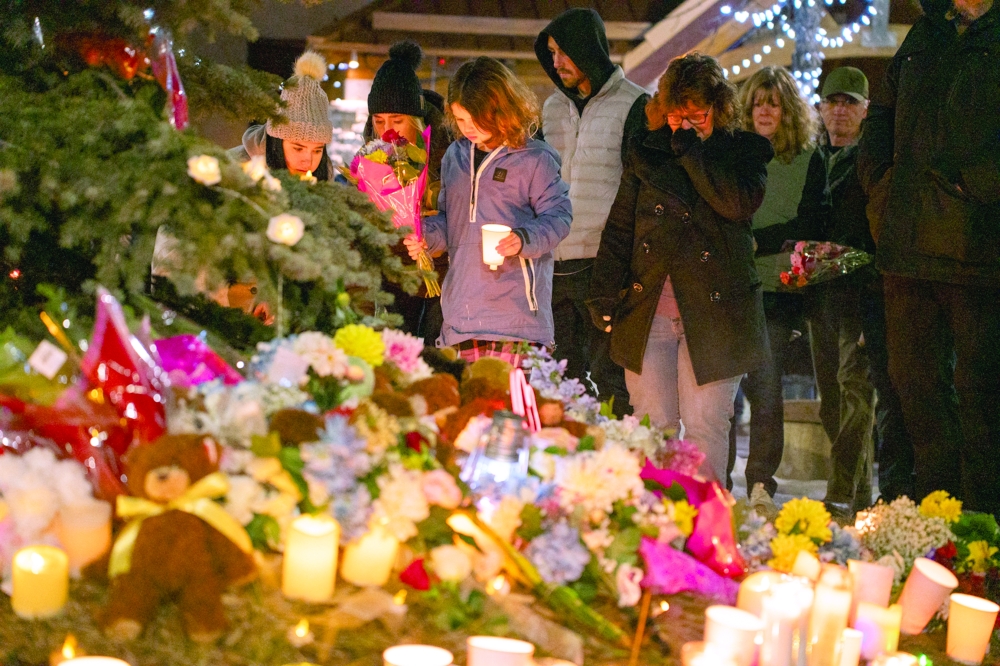
Horrifying violence, hunger, displacement, and disease are tearing people’s lives apart - killing and maiming civilians, separating families, forcibly uprooting people from their land and livelihoods, fuelling the spread of diseases, and devastating their mental and physical health.
At the beginning of this year, a UN report indicated that over 239 million people worldwide were in urgent need of humanitarian assistance and protection due to entrenched violent conflicts that have caused unprecedented displacement and severe human rights violations.
In communities affected by genocide or civil conflict, storytelling becomes both a burden and a means of healing. Families share stories of endurance, grief, and resilience, ensuring that the memory of conflict remains alive while also risking the perpetuation of fear and division.
Recollections of conflicts are passed down through generations, influencing identities and narratives. Intergenerational trauma serves as an unspoken legacy, shaping family perspectives on trust, authority, and belonging.
When a family disintegrates, the effects on men, women, and especially children are extensive and severe. These impacts are felt throughout the community. Our leaders and governments should, therefore, to the greatest extent possible, support efforts to strengthen families in order to achieve the highest level of social security.
Authorities, as mandated by international law, should enact laws and policies that foster favourable conditions for family formation and stability. Governments must support individuals in exercising their right to marry and start a family, while also providing social protection for families.
Finally, all governments across the world need to recognise the importance of the family due to its vital role as the primary educator, economic engine, and social support system; only then can the objectives of the International Day of Families be achieved.
At the same time, one question still remains: do these global observances truly impact people’s lives by encouraging the world to refocus efforts and reaffirm commitments to critical issues?
Oman Observer is now on the WhatsApp channel. Click here