Oman is no longer just planning for its green energy future; it's making it happen. Massive solar and wind projects are reshaping the nation’s power landscape, turning Oman into one of the most promising renewable energy destinations in the MENA region. However, the intermittency in supply and poor energy density of these resources hinder their wider applications.
Therefore, as this green power surge accelerates, a critical strategic question looms: Can Oman’s national grid maintain stability and efficiency without the integration of large-scale energy storage systems? The answer will define not only the reliability of the network but also how fast, affordable and seamless this renewable energy transition truly is.
A RENEWABLE BOOM IN THE MAKING
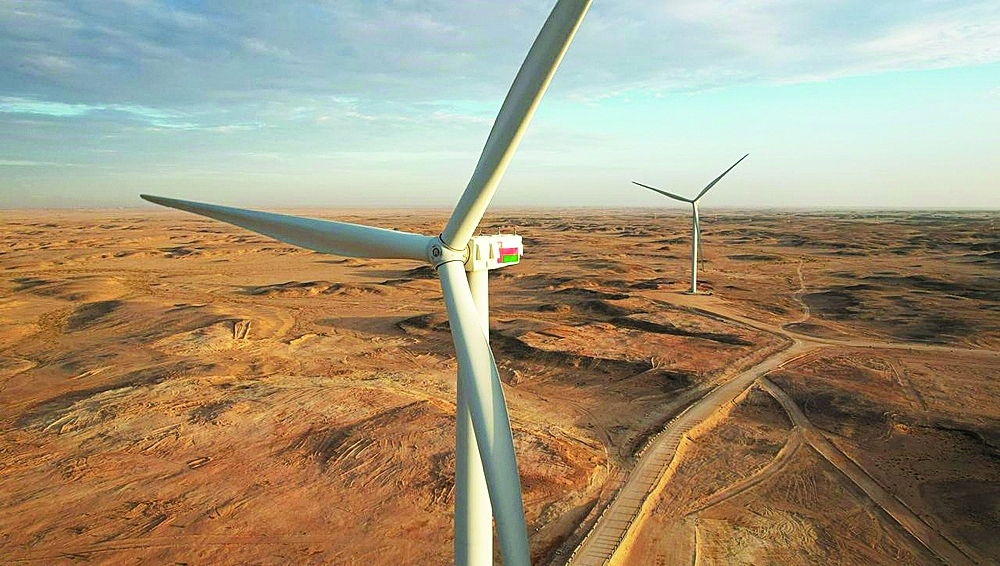
In just five years, Oman has made remarkable progress. By 2026, renewables are expected to supply nearly 10% of the electricity flowing into the main grid, thanks to pioneering projects like the 50 MW Dhofar wind farm and 1500 MW solar plants, including those in Ibri and Manah. Experts predict that installed renewable capacity will reach 8.8 GW by 2030, which is a substantial rise from the current level.
This quick expansion reflects strong policy momentum towards energy security, economic diversification and the National Strategy for Net Zero targets. Crucially, Oman recognises that this boom cannot be sustained by generation alone; therefore, the strategic deployment of energy storage is now integrated directly into this growth trajectory to manage the inherent intermittency of solar and wind power. As their share climbs past the critical 20% threshold, grid flexibility and resilience — underpinned by advanced storage solutions — become the primary drivers of the nation’s energy transition.
WHY STORAGE IS NO LONGER OPTIONAL
Without energy storage, surplus renewable energy generated during off-peak hours is frequently curtailed or wasted. While gas-fired plants still shoulder peak demand and balancing services, they undermine emissions goals, squeeze project economics and increase the operational complexity of the grid.
However, storage is not a monolithic solution; Oman’s transition requires a diversified portfolio of technologies tailored to different discharge durations and grid needs.
The Battery Energy Storage Systems (BESS) offer a primary solution for short-to-medium-term stability. Several technologies, including Thermal Energy Storage (TES) for industrial heat integration, are currently being developed. Furthermore, green hydrogen and green ammonia storage are highly attractive for long-duration seasonal buffering and energy transport.
Technologies such as Compressed Air Energy Storage (CAES) and supercapacitors, applicable for high-power, rapid-response frequency regulation, are becoming essential components of a modern, multi-layered storage strategy. By storing excess power and releasing it when demand spikes or renewable output dips, this mix of technologies stabilises the grid, optimises asset use and reduces reliance on expensive fossil fuel backup. Global experience is clear: high-renewable systems cannot thrive without such a diversified storage framework. Oman is now at that pivotal tipping point.
BEYOND IBRI III: BUILDING A MULTI-LAYERED STORAGE ECOSYSTEM IN OMAN
The shift from strategy to action became real with Ibri III, Oman’s first utility-scale solar project to fully integrate battery storage. Combining 500 MW of solar capacity with a 100 MWh battery system, Ibri III marks a significant milestone in the nation’s energy evolution. This project signals a new mindset: from simply adding renewables to actively optimising their integration. Storage is no longer a niche technology; it’s a critical infrastructure asset.
However, Oman’s storage strategy extends far beyond centralised utility-scale projects. A critical component of this transition is the rapid development of decentralised renewable energy storage and utilisation, spearheaded by Hydrom. Through its ambitious green hydrogen auctions, Hydrom is facilitating projects that use hydrogen as a long-duration storage medium, effectively decoupling energy production from immediate consumption.
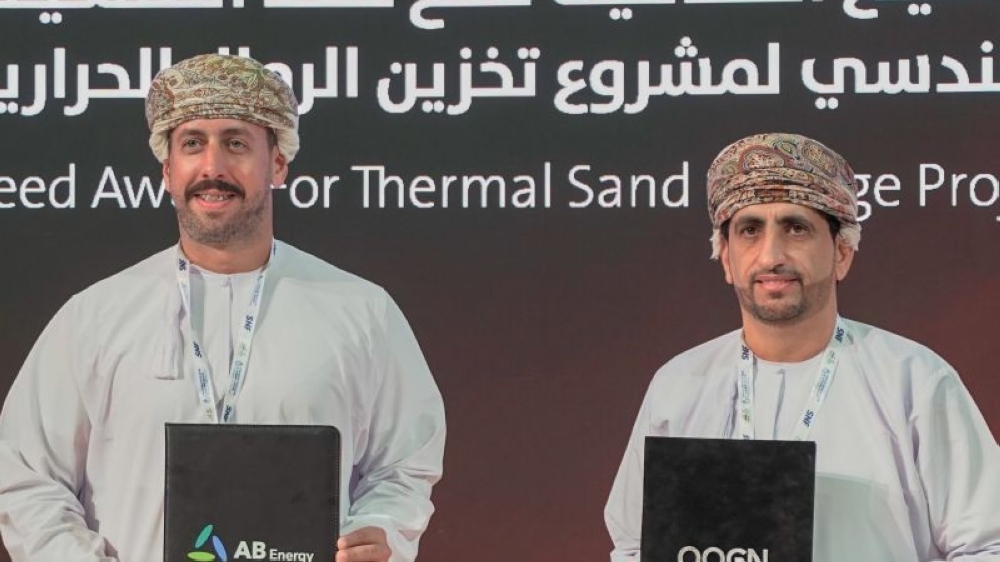
Furthermore, decentralised storage initiatives in industrial zones and rural areas are emerging as essential tools for local grid stability. These projects, along with the Ministry of Energy and Minerals’ new storage project with Nama Group and the Authority for Public Services Regulation (APSR), show a comprehensive strategy for energy security. While technical details are still under evaluation, the message is clear: storage is now part of the country’s energy DNA.
IMPLICATIONS FOR POLICY, INVESTMENT AND RESEARCH
The successful integration of energy storage in Oman necessitates a sophisticated alignment between national objectives and international best practices. Beyond local mandates, Oman’s regulatory framework must evolve in tandem with global standards, such as those established by the International Renewable Energy Agency (IRENA) and the IEA’s Net Zero Roadmap.
This involves implementing carbon pricing mechanisms and "Grid Codes", which are regulations that govern the operation of electricity grids, that reward storage for its contribution to system flexibility — policies that have already proven successful in mature markets like the UK and Australia.
This alignment lowers "policy risk" for investors and makes hybrid projects more bankable, especially since the price of batteries around the world has been falling for the past ten years by more than 80%.
Moreover, the future of storage in Oman is not a single-track scenario but a multi-faceted strategic roadmap. We anticipate three critical utilisation scenarios: first, the "Grid-Firming" model where utility-scale BESS stabilises the Main Interconnected System (MIS); second, the "Green Industrial" model where thermal and hydrogen storage power energy-intensive industries in Al Duqm and Suhar; and third, the "Remote Resilience" model, utilising decentralised storage to phase out diesel generation in isolated networks.
Academia and researchers must therefore pivot towards these specific Omani conditions, focusing on Long-Duration Energy Storage (LDES) that can withstand the Sultanate of Oman’s unique climatic challenges.
OMAN’S DEFINING ENERGY MOMENT
In conclusion, Oman stands at a decisive crossroads in its transition, where structural flexibility must match its generation capacity. The evidence suggests that energy storage is not merely a technical addition but the economic and operational linchpin of Oman Vision 2040. By adopting a "storage-first" regulatory mindset and fostering a technology-neutral investment climate, Oman is positioned to transform its intermittent renewable wealth into a reliable, 24/7 green power powerhouse, securing its leadership in the global energy transition.
Oman Observer is now on the WhatsApp channel. Click here