




An oil spill has reached the shores of a pristine Gulf island in Iran surrounded by clear turquoise waters that provide refuge for endangered sea turtles and dolphins, according to videos circulating on social media.
The tiny, uninhabited island of Shidvar is one of Iran’s most important protected nature reserves. It is home to large coral reefs and a breeding ground for more than 80,000 birds.
The videos, verified by The New York Times, show large dark ribbons of oil snaking along the island’s pristine white sand beaches. Birds, turtles and crabs can be seen trapped inside mounds of tar.
“It is known as the Maldives of Iran — a beautiful place,” said Kaveh Madani, director of the U.N. University Institute for Water, Environment, and Health.
The videos have provided some of the first evidence of the environmental toll the war has taken on the area. Iran has been under an internet blackout since the United States and Israel started a war in late February, severely limiting visibility into the impacts of the conflict.
In one of the videos, a small boat plies through waters darkened by an oil slick, as the men on board point to smoke billowing from the oil refinery on the nearby island of Lavan.
The videos appear to have been taken not long after April 8, when Iranian state media said the Lavan refinery was struck, hours after a ceasefire had taken hold. It is unclear why the videos have emerged more than a month later, but it is likely because of the recent easing of restrictions on Iran’s nationwide internet blackout.
The cause of devastation, Madani said, was likely the strikes on the Lavan refinery.
“That video, I can say with a lot of certainty, is from the oil spill of Lavan, and we know the cause of that,” he added.
Another oil slick has been spotted near Kharg Island, one of Iran’s most crucial oil export and storage sites. But its causes are less clear.
Some U.S. officials accuse Iran of having dumped or mishandled oil in Persian Gulf waters. Iran has denied this, and Madani said there was no available evidence to support the dumping theory.
The extent of damage from oil spills to the Persian Gulf’s fragile ecosystem is still unknown. But it could extend beyond animals, said Manoochehr Shirzaei, an Iranian environmental expert who teaches geophysics and remote sensing at Virginia Tech University.
“Among the most immediate and widespread consequences could be impacts on desalination infrastructure, as many Gulf countries rely heavily on desalinated seawater for municipal and industrial water supply,” he said.
“These facilities draw seawater directly from the Persian Gulf, making them highly vulnerable to oil contamination.”
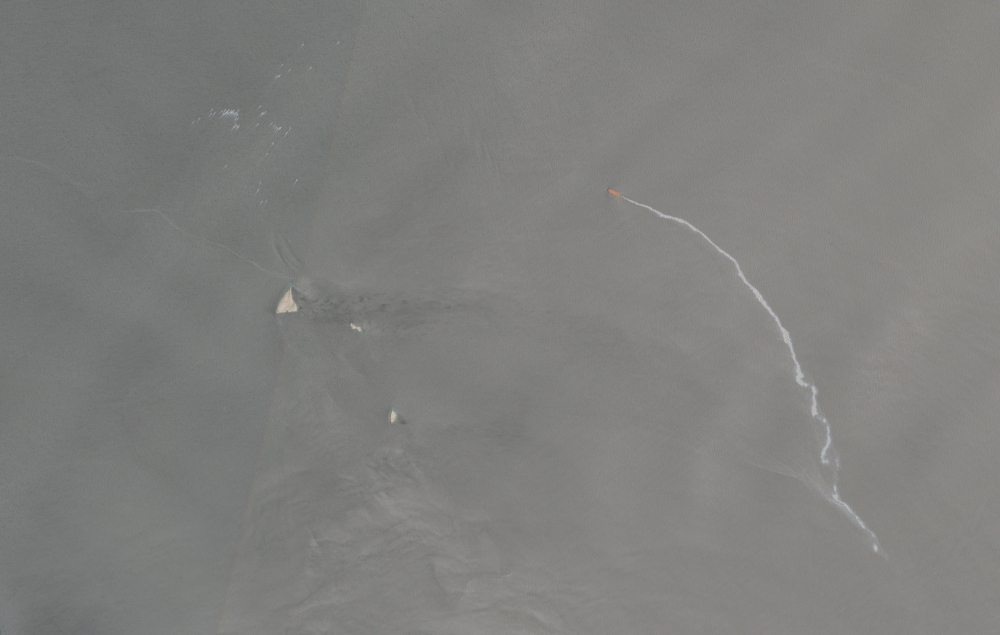
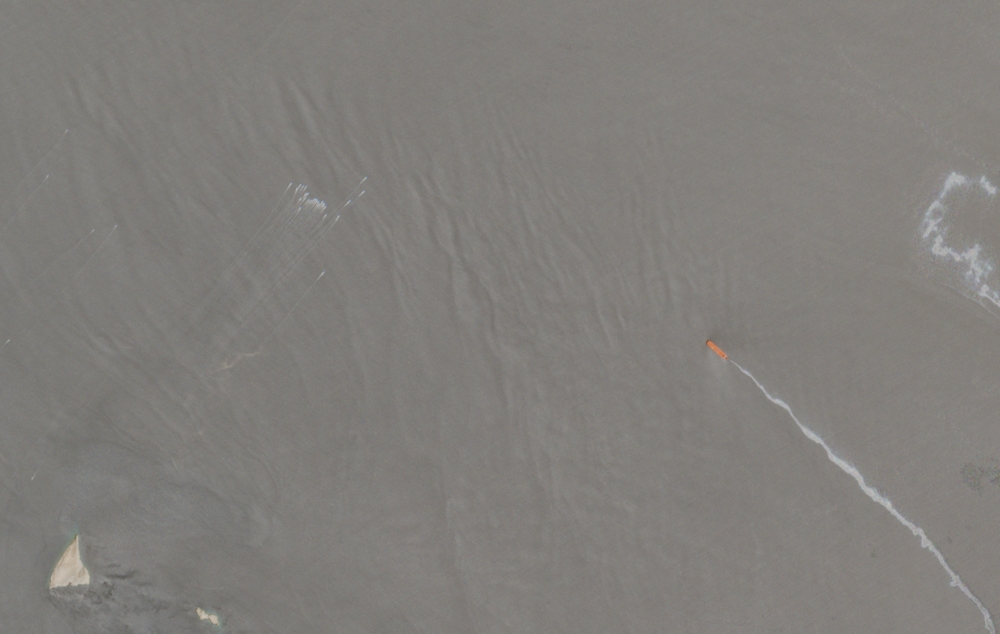
Shirzaei said he was able to detect several slicks off the waters of Shidvar and Lavan with satellite imagery. He also used satellite imagery from early May to detect a large oil slick reported near Kharg Island, which could have serious environmental consequences for the region.
The oil spills come at a particularly critical time of year for the region’s delicate ecosystem, experts say. It is breeding season for many birds, which could struggle to find food for their young on Shidvar island and may not have time to adapt to the sudden change in their habitat.
On Shidvar’s shores, thousands of turtle hatchlings should be emerging at this time from sands now covered in oil, which may make their first steps fatal.
The impact of this damage could be compounded because the Persian Gulf is not an open ocean, but rather semi-enclosed, the experts said, and slower water circulation means oil slicks may linger. That intensifies the impact on humans and animals, allowing slicks to spread.
“Once oil enters the Gulf, it does not remain inside the logic of war,” said Iman Ebrahimi, an Iranian conservationist who monitored the bird populations of Shidvar for four years.
“It moves into beaches, nests, feathers, turtle hatchlings, fish nurseries, and the bodies of animals that belong to the whole region.”
This article originally appeared in The New York Times.
Oman Observer is now on the WhatsApp channel. Click here