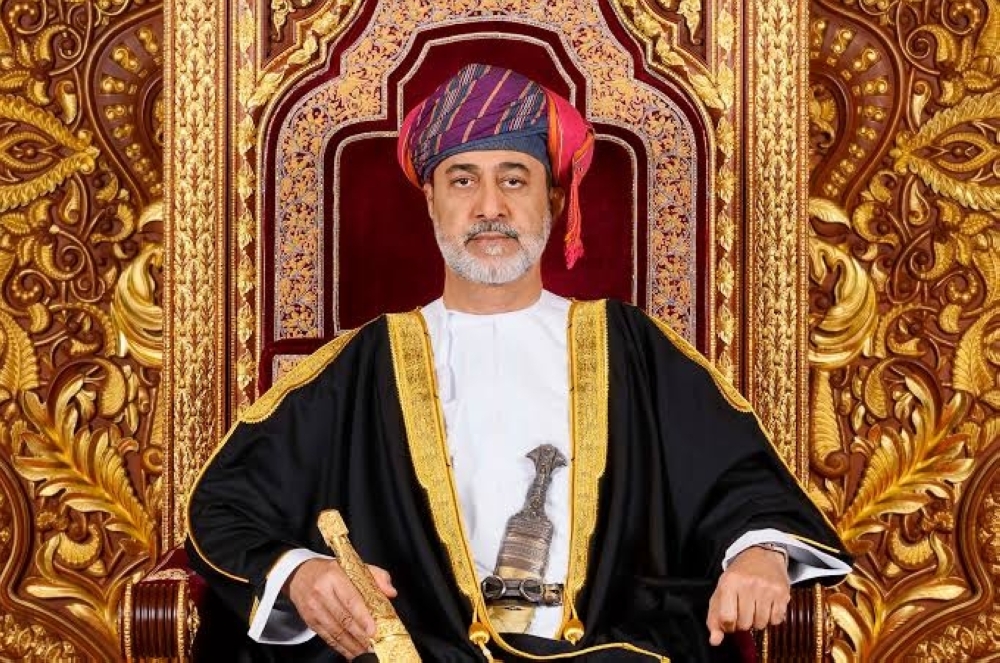





The Sultanate of Oman has expressed its rejection and denunciation of the UAV attack that targeted Barakah Nuclear Energy Plant in Al Dhafra region of the United Arab Emirates (UAE).
In a statement issued by the Foreign Ministry, the Sultanate of Oman affirmed its solidarity with the UAE in measures that the country is undertaking to protect its security and territorial integrity.
The statement, which voiced Oman’s firm policy of rejecting all hostile and escalatory acts, also called for dialogue to address issues and challenges with the prime objective of preserving security and stability in the region, respecting the rules of international law and observing the policy of good neighbourliness and non-interference in the internal affairs of countries.
Oman has also voiced its strong condemnation and denunciation of the attempted unmanned aerial vehicles (UAVs) attack on the Kingdom of Saudi Arabia, reaffirming its firm stance against all hostile acts and practices.
In a statement issued by the Foreign Ministry, the Sultanate of Oman also expressed its full support for the Kingdom of Saudi Arabia in all measures it takes to safeguard its security, safety and stability. Oman called for upholding the principles of wisdom and restraint in addressing all issues and challenges through dialogue and diplomatic and political channels.
Meanwhile, Sayyid Badr bin Hamad al Busaidy, Foreign Minister, held a telephone conversation with Dr Subrahmanyam Jaishankar, Minister of External Affairs of the Republic of India.
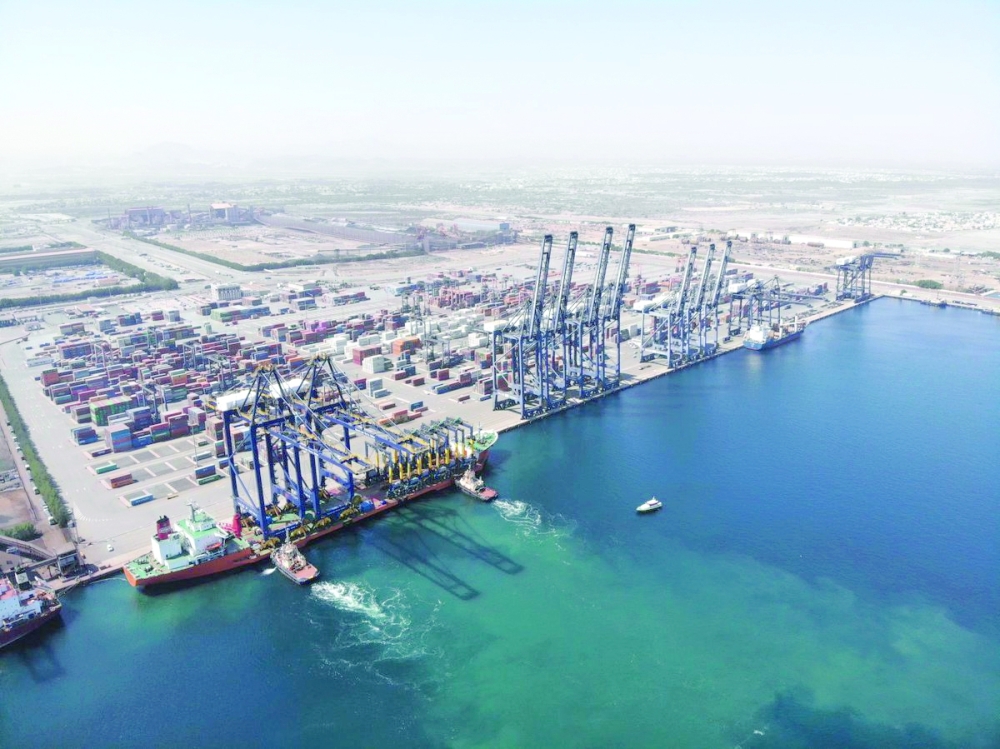
During the call, the two ministers discussed areas of bilateral cooperation and exchanged views on the current regional situation amid disrupted maritime navigation in the Strait of Hormuz, stressing the need to intensify diplomatic efforts to ease tensions and find lasting, sustainable solutions to the crisis.
Separately, the Foreign Minister received an evening call from Beate Meinl‑Reisinger, Federal Minister for European and International Affairs of the Republic of Austria.
The two sides discussed developments and repercussions of the regional and global situation. Both sides affirmed the need to continue and intensify diplomatic efforts to achieve a breakthrough, allow the flow of maritime supply chains, and ensure freedom of navigation in line with international law. This requires the parties concerned to show flexibility and make the necessary concessions to reach sustainable solutions that spare the region and the world from the spectre of war and armed conflict.
NEW PROPOSALS
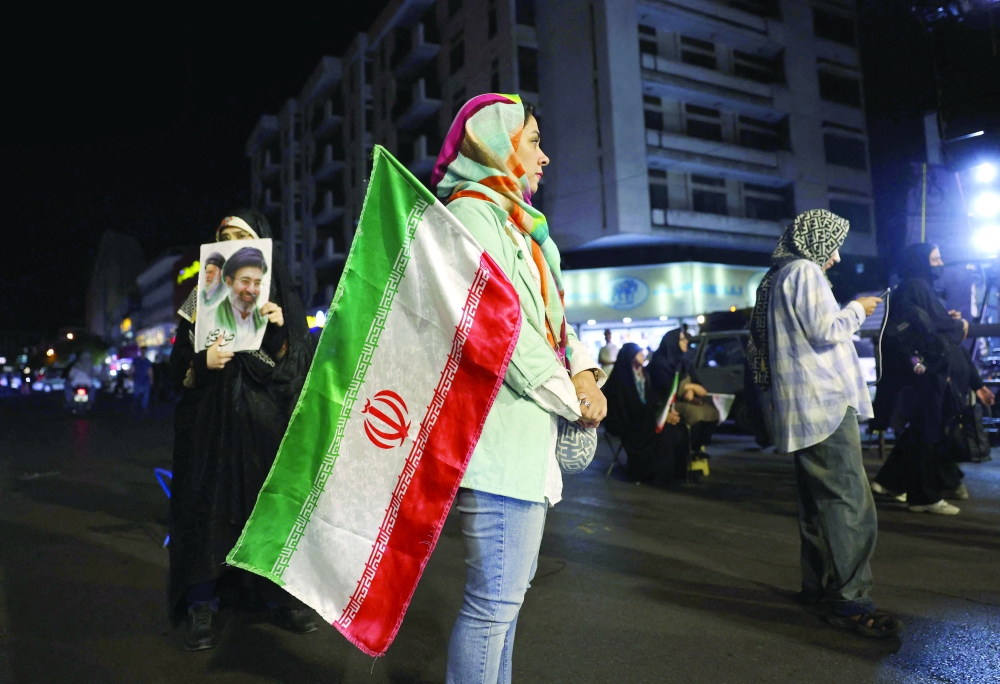
Iran sent a new peace proposal to the United States with terms that appeared similar to offers Washington has previously rejected, although a senior Iranian official said on Monday that the US had softened positions on some issues.
A Pakistani source confirmed that Islamabad, which has conveyed messages between the sides in the war in the Middle East since hosting the only round of peace talks last month, had shared the latest proposal with Washington. But the source suggested progress had been difficult.
The sides "keep changing their goalposts," the Pakistani source said, adding: "We don't have much time."
Iranian Foreign Ministry spokesperson Esmaeil Baghaei confirmed that Tehran's views had been "conveyed to the American side through Pakistan" but gave no details. Washington did not immediately comment.
It would focus first on securing an end to the war, reopening the Strait of Hormuz - a major oil supply route that Iran has effectively blockaded - and lifting maritime sanctions. More contentious issues around Iran's nuclear programme and uranium enrichment would be deferred to later rounds of talks, the source said.
Oman Observer is now on the WhatsApp channel. Click here