




MUSCAT: Oman’s fiscal deficit narrowed sharply to RO25 million in the first quarter of 2026 as higher oil and gas revenues boosted state income despite increased public spending, according to the Ministry of Finance’s quarterly financial performance bulletin.
Total public revenues rose 13 per cent year-on-year to RO2.985 billion by the end of March, compared with RO2.635 billion in the same period of 2025. Public spending increased 9 per cent to RO3.010 billion.
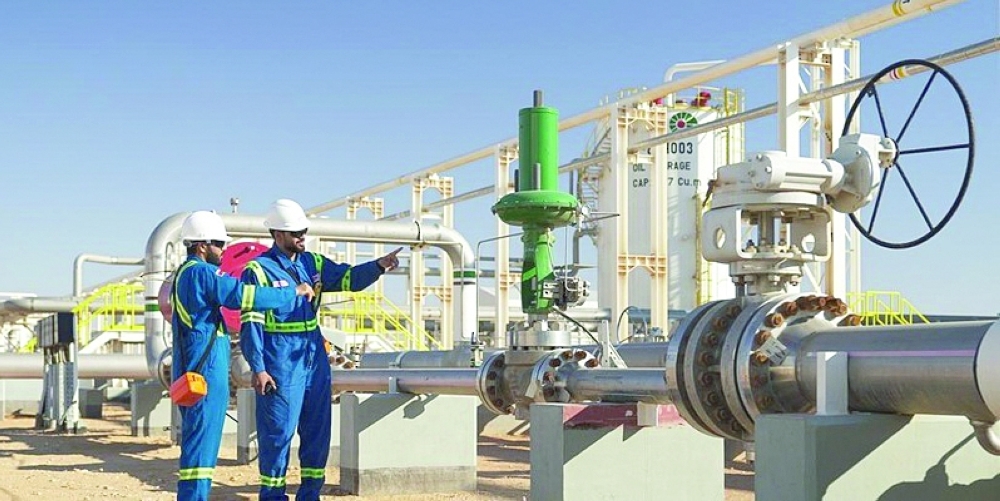
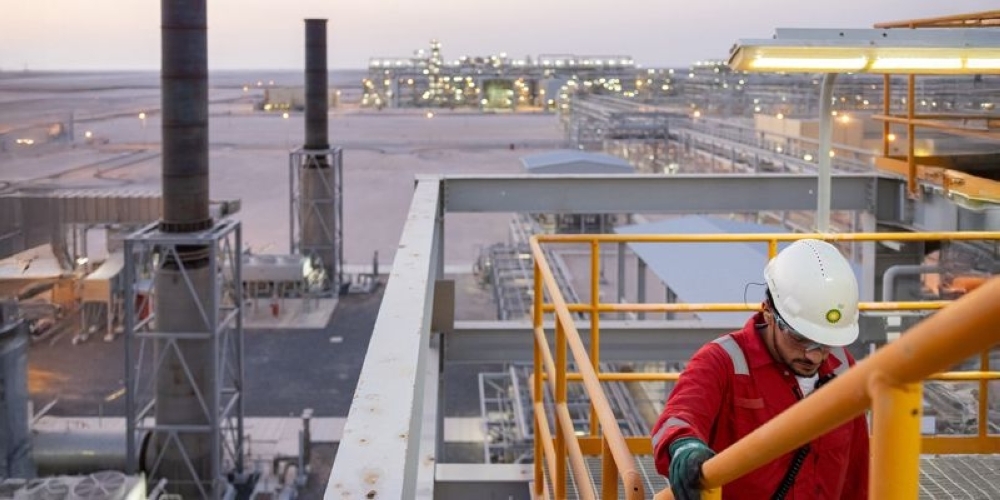
The ministry said the stronger fiscal performance was driven mainly by higher hydrocarbon income, particularly gas revenues, which surged 36 per cent to RO593 million from RO436 million a year earlier. Net oil revenues also increased 5 per cent to RO1.535 billion.
Current revenues climbed 13 per cent to RO817 million, reflecting continued improvement in non-oil income streams.
Average realised oil prices stood at $64 per barrel during the quarter, while average oil production reached around 1.025 million barrels per day.
On the expenditure side, current spending rose 8 per cent to RO2.119 billion, while development expenditure jumped 31 per cent to RO334 million, indicating faster implementation of development and economic transformation projects.
The ministry said development expenditure represented 26 per cent of the total development allocations approved for 2026, which amount to RO1.3 billion.
Meanwhile, contributions and other expenditures fell 15 per cent to RO417 million. Subsidies for the social protection system, electricity sector and petroleum products reached RO154 million, RO80 million and RO17 million respectively by the end of the first quarter.
The report showed that spending on social and basic sectors totalled around RO1.233 billion during the quarter, with education accounting for the largest share at 39 per cent, followed by social protection and welfare at 28 per cent, health at 25 per cent and housing at 8 per cent.
The Ministry of Finance also said it had settled more than RO362 million in dues owed to private sector companies through the government financial system, with payments processed within an average of five working days after completion of documentation procedures.
Oman’s public debt stood at around RO14.5 billion at the end of the first quarter, broadly stable compared with the end of 2025 and 2 per cent higher than the corresponding period last year.
The ministry also highlighted that oil revenues in the state budget are recorded only after the completion of sale, delivery and financial collection procedures, meaning revenues may be recognised several months after crude sales agreements are signed.
Oman Observer is now on the WhatsApp channel. Click here