




BUSINESS REPORTER
MUSCAT, MAY 17
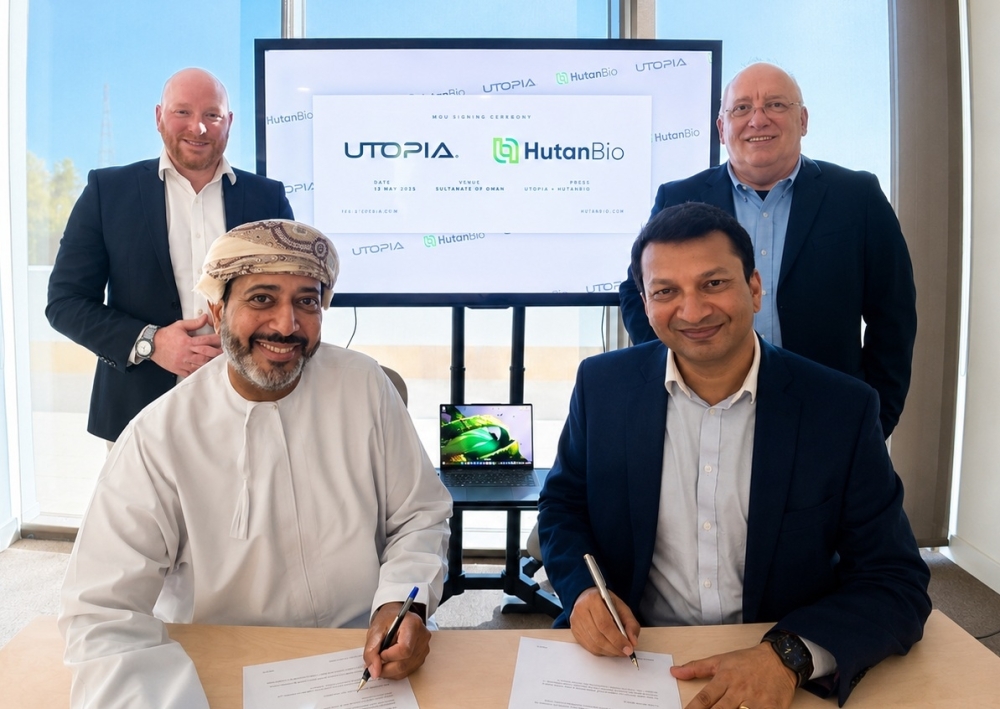
In a move designed to reinforce the Sultanate of Oman’s position within the global green economy, UK-based biotechnology firm HutanBio has entered into a strategic Memorandum of Understanding with Oman’s Utopia World Investment (UWI) to support the growth of a sustainable fuels sector in Oman.
Utopia is a majority shareholder in Wakud International, which owns and operates Oman’s first dedicated biodiesel refinery. The collaboration seeks to develop and scale next-generation sustainable biofuel production, directly supporting the industrial innovation and economic diversification goals outlined in Oman Vision 2040.
Faris al Kharusi, CEO of UWI, shared, “Solar density conditions, abundance of water with appropriate salinity ranges and development with partners both public and private allow HuntanBio to be strategically placed as an economic local content generator in the biochain”.
The partnership centres on the commercialisation of HutanBio’s proprietary algae-based oil technology, regarded as a scientific breakthrough for its proven ability to harness a newly discovered genus of algae identified by Dr John Archer of Cambridge University.
Under the terms of the agreement, Wakud will act as an offtaker as both entities scale their operations simultaneously, creating a robust framework for the domestic production and deployment of low-carbon fuels. This initiative arrives at a critical juncture for the aviation industry, which currently utilises less than 0.5% sustainable aviation fuel despite aggressive long-term decarbonisation targets of 25%. This localised biotechnology initiative has the potential to simultaneously enhance food security, as the second byproduct, aside from the biofuel, is protein-rich biomass.
Beyond its environmental impact, the project is expected to stimulate the growth of a specialised biotechnology industry in Oman, generating skilled employment opportunities and fostering local research and development capabilities. Following successful discussions with government representatives and industry leaders, Manshu Agarwal, CEO of HutanBio, said the partnership reflects a shared ambition to position Oman at the forefront of the global clean energy transition.
“Oman is perhaps the single best place on Earth to build and scale this project, particularly because of its geopolitical stability, excellent human capital and refinery infrastructure in oil and gas; and of course the ideal climate for growing this algae”, he stated.
Significantly, the technology underpinning this venture is the result of over a decade of research led by Dr John Archer, whose distinguished career includes leadership roles at Cambridge, MIT and being one of the founders of KAUST’s biology department. HutanBio’s novel microalgae strain demonstrates significantly higher productivity than conventional varieties, offering a potential path to producing sustainable crude alternatives at cost parity with traditional fossil fuels.
Project stakeholders have highlighted Oman’s unique geographical and industrial profile as a primary driver for this collaboration. The Sultanate of Oman’s exceptionally high solar radiation, extensive coastline and access to saline water provide an ideal environment for coastal aquaculture and algae cultivation. Furthermore, the ability to integrate this technology into Oman’s established oil and gas infrastructure and utilise its political stability makes the country a premier candidate for global leadership in the sustainable fuels sector.
Omani scientist Aziza al Mughairy added: “HutanBio’s initiative could position Oman as a regional leader in next-generation biofuels, strengthening the Sultanate of Oman’s contribution to global decarbonisation and food security efforts while supporting economic diversification, green innovation and the objectives of Oman Vision 2040 on several fronts”.
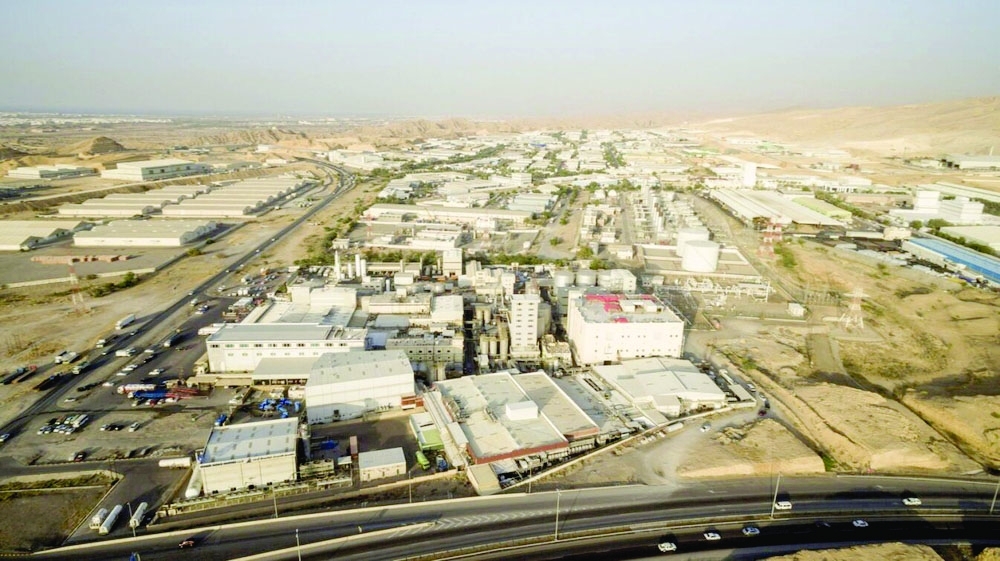
The first site is set to deploy in late 2027, before a massive scale expansion that can cover the needs of the entire aviation and maritime industry. By utilising Oman's arid coastlines and existing refinery infrastructure, the HutanBio and Wakud partnership transforms non-arable land into a high-tech biofuel hub that drives decarbonisation in the aviation and maritime sectors.
Oman Observer is now on the WhatsApp channel. Click here