




The Ministry of Energy and Minerals continues to develop the energy and minerals sectors, promoting the optimal utilization of natural resources as part of efforts to support the clean energy sector and boost future investments.
As part of the drive towards net-neutrality, the Ministry continues to implement initiatives to reduce emissions and enhance energy efficiency. The Oman Net-Neutral Centre was launched at the end of 2024, along with the National Energy Efficiency Program, "Kafa'a," in cooperation with the Ministry of Labour and Sultan Qaboos University, with the goal of developing Omani expertise in energy auditing.
The program aims to improve energy efficiency across various sectors by developing policies and standards, enhancing the efficiency of appliances and buildings, and promoting optimal energy use in industrial, commercial, and residential sectors. It also seeks to raise awareness about the importance of conserving energy, aligning with the goal of achieving net-zero emissions by 2050.
Also, the sector witnessed a significant milestone with the completion of the digitization of all operations through the "Taqah" platform, a step aimed at increasing operational efficiency, enhancing transparency, and supporting the investment environment.
Eng Hamoud bin Hamad al Sawafi, Director General of Renewable Energy and Hydrogen, explained that the sector is working on implementing a package of strategic plans and projects. These include reviewing the electricity market structure in cooperation with relevant authorities and activating a national energy model to study the impact of various variables on the sector, thereby supporting more efficient technical and financial decision-making.
He added that the plans include commencing the implementation of the recommendations of Oman's Energy Transition Strategy after its adoption, along with the implementation of the recommendations of the Integrated Energy Strategy. Furthermore, awareness campaigns will be launched to promote a culture of energy transition, including the announcement of the "Rashid" Energy Efficiency Award during Sustainability Week 2026, and efforts will be made to develop mechanisms for meeting the electricity demands of the industrial sector.
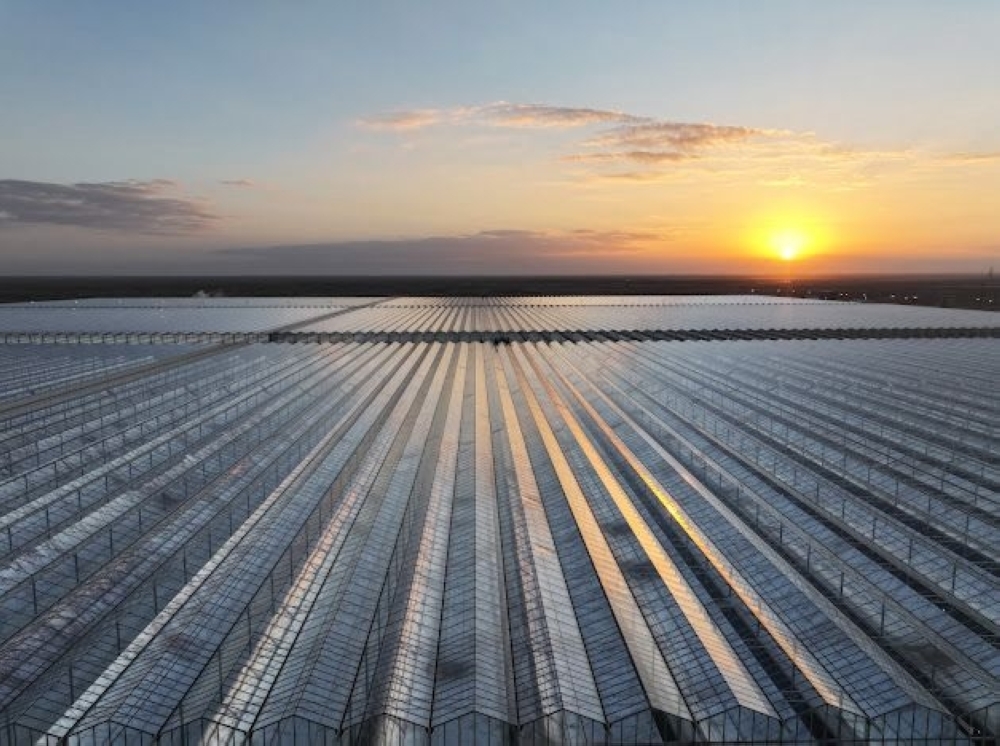
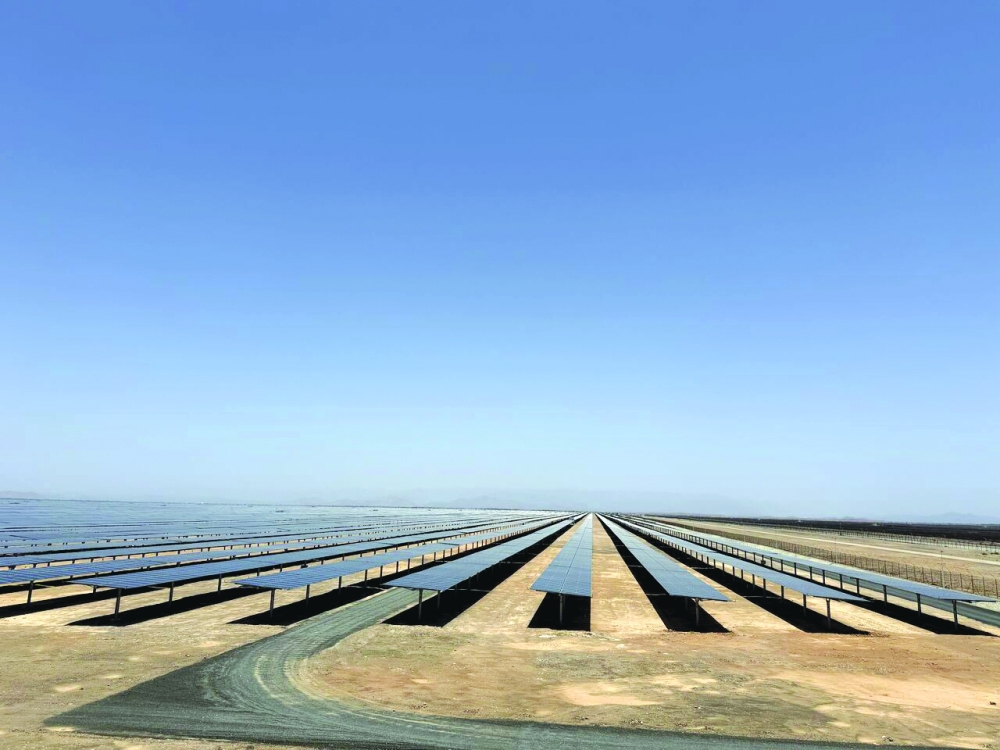
In the renewable energy sector, the Sultanate aims to increase the contribution of renewable energy to at least 10% of total energy production by the end of 2026. This includes finalizing and launching the design of the National Renewable Energy Database platform and allocating and preparing new sites for renewable energy projects.
Plans also include developing a renewable energy certification system and launching a tender to supply the Hallaniyat Islands with renewable energy through an integrated system based on clean energy and battery storage, with the goal of reducing reliance on conventional fuels.
In the green hydrogen sector, the Sultanate of Oman has achieved significant milestones in the two previous auction rounds, with investments exceeding $44 billion. The associated renewable energy project capacity is projected to reach 26.6 gigawatts by 2030, with a target of producing one million tons of green hydrogen annually by the same year.
Current efforts are focused on accelerating project development by finalizing the "Unified Permit" system to streamline procedures, as well as implementing an agreement to develop a trade corridor for liquefied hydrogen between Oman and the Netherlands. This will enhance the Sultanate's presence in the global clean energy market.
The ministry is also working on launching an investor's guide for the green hydrogen sector to provide an integrated view of the investment environment, and completing the second phase of the study on storing hydrogen in natural earth reservoirs, as part of efforts to support the clean energy sector and promote future investments.
Qoute: In the renewable energy sector, the Sultanate aims to increase the contribution of renewable energy to at least 10% of total energy production by the end of 2026. This includes finalizing and launching the design of the National Renewable Energy Database platform and allocating and preparing new sites for renewable energy projects.
Oman Observer is now on the WhatsApp channel. Click here