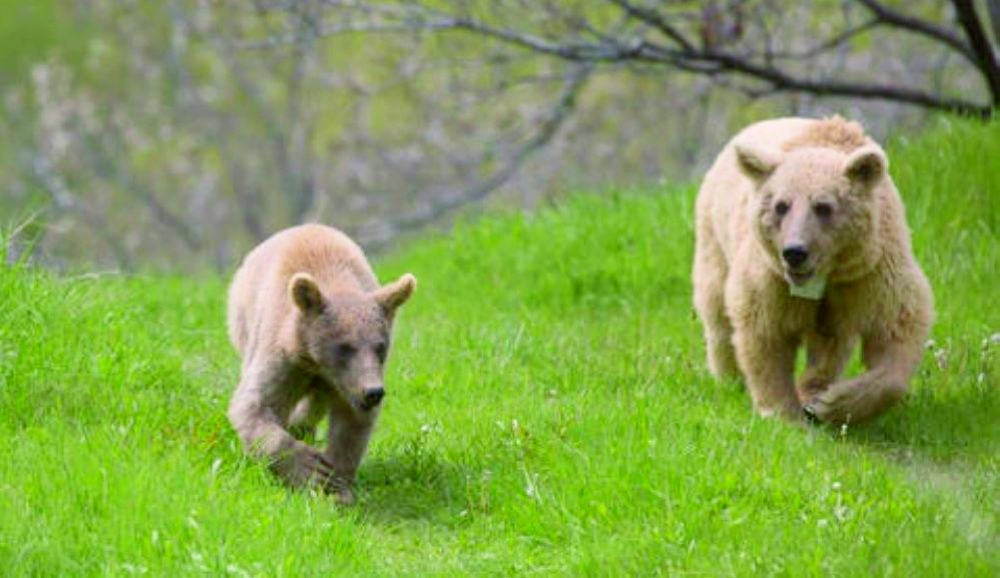





For years, Syrian brown bears Nairi, Aram and their cub Lola lived trapped in a three-metre-wide cage in Armenia’s capital Yerevan, surrounded by their own waste and fed sweets instead of proper food. Rescued last year, they are now recovering at a wildlife refuge in Armenia’s highlands, though many other captive bears remain in poor conditions across the country.
Animal rescuers estimate that around 20 bears are still being kept in captivity in Armenia, where wealthy owners have long treated predators as status symbols. Bears have been discovered confined in hotel courtyards, petrol stations and private backyards, often deprived of sunlight and unable to hibernate.
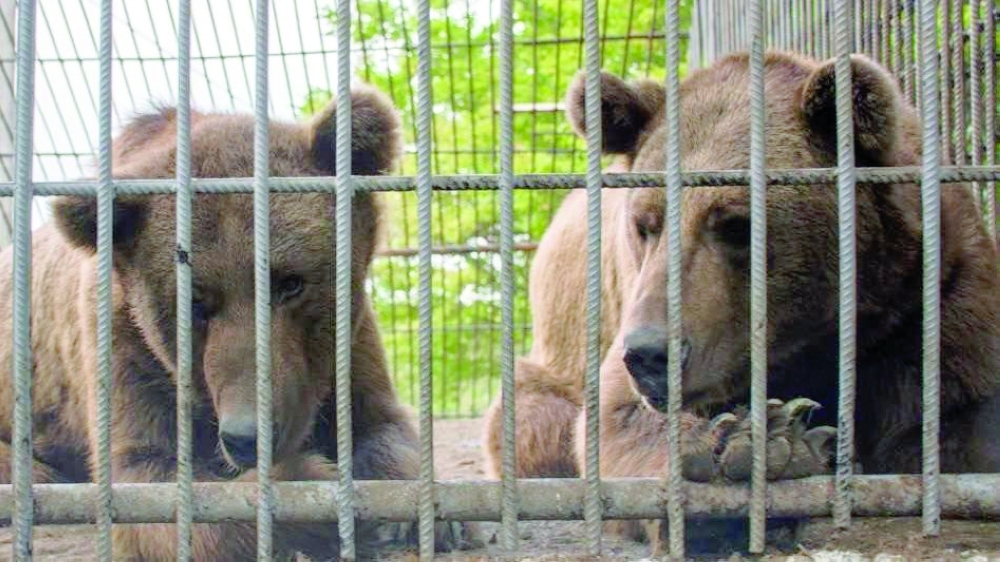
“They had no proper care, no veterinary checks”, said Tsovinar Hovhannisyan, conservation manager at the Foundation for the Preservation of Wildlife and Cultural Assets (FPWC), which runs a rehabilitation centre for rescued animals. Some bears were found with rotting teeth after being fed “cookies, Coca-Cola and sweet stuff”, she said.
Armenia’s location between Europe and Asia has made it a hub for wildlife trafficking, while demand for exotic animals among the country’s wealthy elite has remained persistent. In 2015, an Armenian lawmaker drew criticism after revealing he kept endangered Siberian tigers at his home. Public outrage intensified in 2016 when a private zoo in Gyumri fell into financial trouble, leaving animals starving in cages.
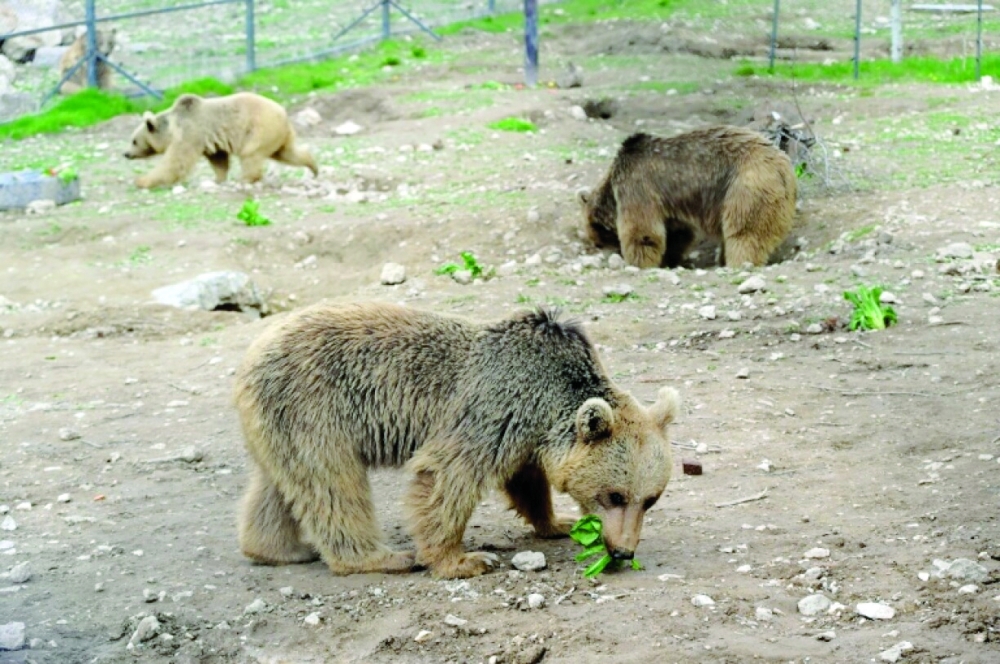
With Armenia preparing to host a biodiversity COP summit in October, rescuers are trying to free the remaining captive bears. However, the rehabilitation centre lacks space and funding to house more animals.
According to FPWC communications manager Ani Poghosyan, some oligarchs keep predators to project power and masculinity. “It is for them a status symbol. Something to brag about”, she said.
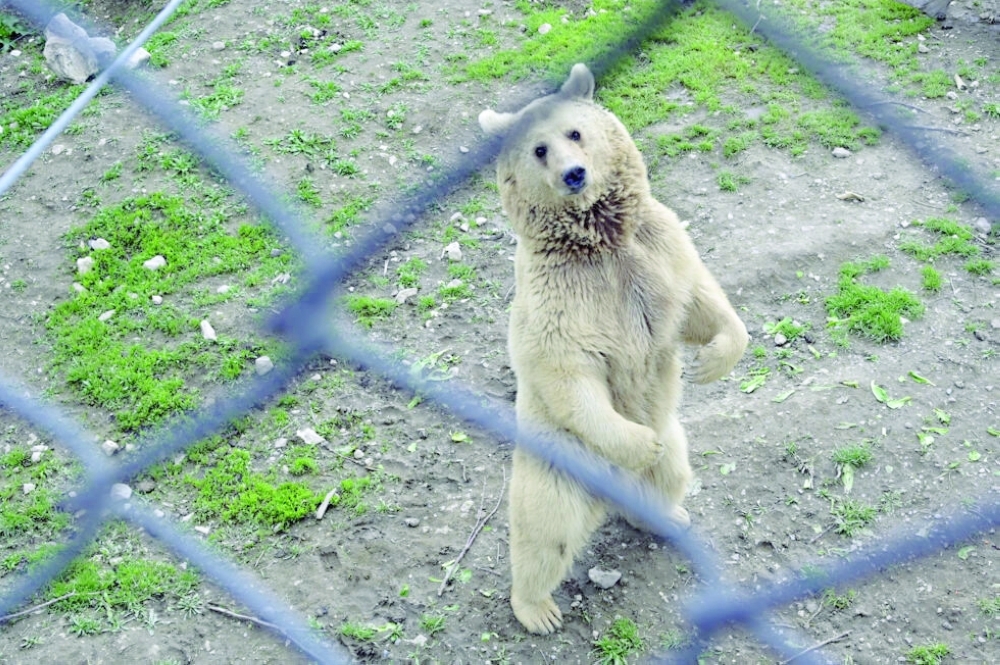
Rescuing the bears is often difficult. Owners sometimes agree to surrender animals before changing their minds. Hovhannisyan described the rescue of Nairi, Aram and Lola as one of the organisation’s hardest operations. Rescuers waited in the rain for more than eight hours to secure court permission to enter the property.
Today, the centre’s 32 rescued bears live in large mountainside enclosures where they can dig dens, climb trees and hibernate naturally. Their diet closely resembles what they would eat in the wild. Although many can never be released because they lost survival skills in captivity, caretakers say the goal is simple: to let them live the rest of their lives feeling wild again. — AFP
Oman Observer is now on the WhatsApp channel. Click here