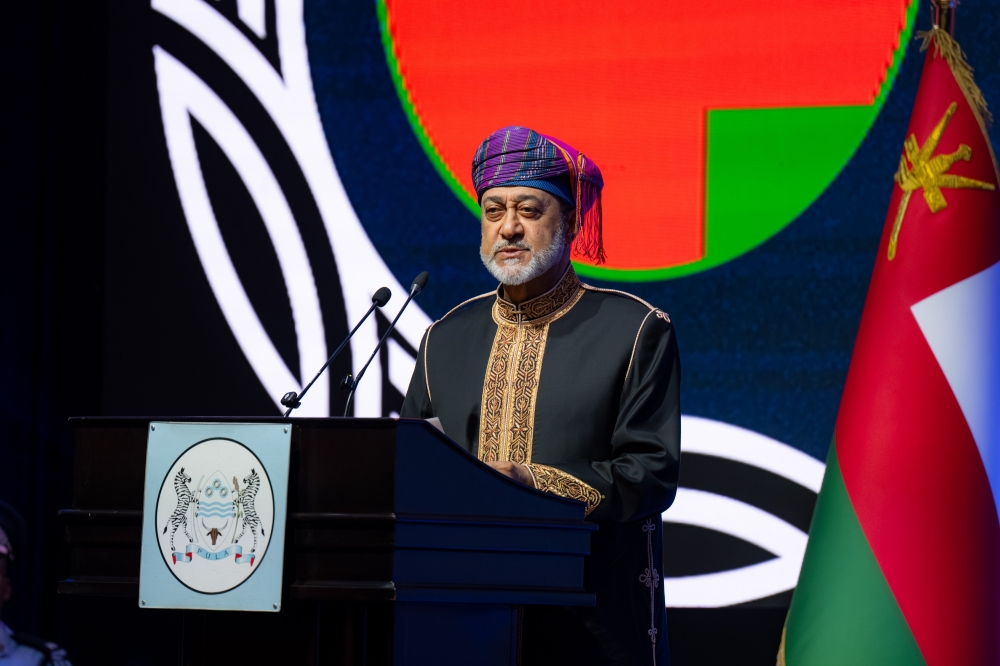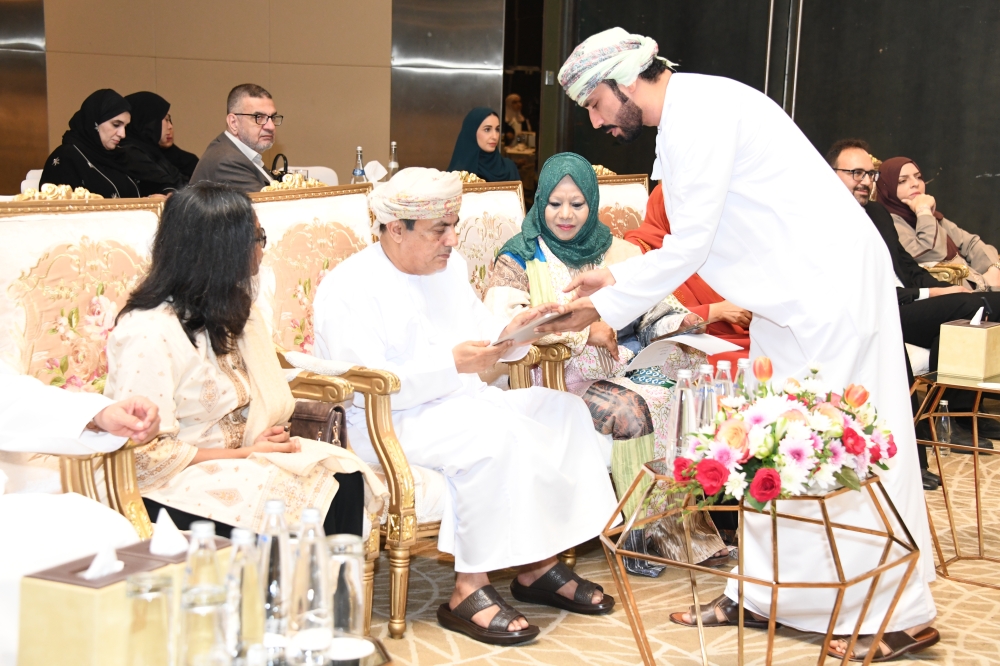





Muscat: The Ministry of Education (MoE), in collaboration with UNICEF, unveiled the evaluation report of the Child-Friendly Education Initiative at an event held at Grand Millennium Muscat. This marks a new phase aimed at enhancing inclusive and child-centered learning environments in schools throughout the Sultanate of Oman.
The event, under the patronage of Hamad al Sarhani, Adviser to the Minister of Education for Educational Administration Affairs, included a joint workshop to develop a five-year implementation plan aligned with the goals of Oman Vision 2040 and the School Education Law of 2023.
The initiative, which was initially launched in 2012 as a pilot programme in nine schools across three governorates, expanded nationwide in 2022, focusing on prioritising children in the educational process and promoting inclusivity, participation, and safe learning environments.
During the event, Al Sarhani emphasised that the initiative is a crucial step towards creating a more inclusive and compassionate education system. It places Omani children at the core of the learning process and helps build a supportive and motivating educational environment that fosters quality education, creativity, and future skills.

He highlighted the importance of translating the evaluation findings and recommendations into sustainable programs and practical implementation plans to enhance the education system and invest in human capital in alignment with Oman Vision 2040.
Shinuna al Habsi, the Sultanate of Oman's representative on UNICEF’s Executive Board and Chairperson of the Child-Friendly Education Main Committee, stated that child-friendly schools are no longer a choice but a national necessity. She emphasized the need for safe, inclusive, and supportive educational environments for all children.
UNICEF consultant Waddah Abdul Salam explained that since its inception in 2012, the initiative has focused on safeguarding children, promoting inclusivity, and placing children at the center of the educational process. The evaluation findings have shown positive impacts on school environments, academic achievement, and student behaviour.
Mouza al Abri, family medicine consultant and Head of the Early Childhood Care Department at the Ministry of Health, underscored the significance of health and psychological aspects in child-friendly education. She noted that safe and supportive school environments contribute to improved academic performance and address issues like bullying, poor nutrition, and student absenteeism.
The evaluation, concluded in 2025, involved field visits and consultations with students, including those with disabilities, parents, teachers, and school administrators. The goal was to assess the effectiveness of child-friendly education approaches across Oman’s school system.
Oman Observer is now on the WhatsApp channel. Click here