




WASHINGTON: President Donald Trump said on Monday that a ceasefire with Iran was "on life support" after he rejected Tehran's response to a US peace proposal, fuelling concerns of a resumption of hostilities in the 10-week-old conflict that has killed thousands and halted vital energy flows.
Days after Washington floated a proposal aimed at reopening negotiations, Iran on Sunday released a response focused on ending the war on all fronts, including Lebanon, where Israel is fighting Hezbollah. The response had been swiftly rejected by Trump. Asked where the ceasefire stands, Trump told reporters on Monday.
"I would call it the weakest right now, after reading that piece of garbage they sent us. I didn't even finish reading it," he said.
In its response, Tehran also demanded compensation for war damage, emphasised its sovereignty over the Strait of Hormuz, and called on the US to end its naval blockade, guarantee no further attacks, lift sanctions and remove a ban on Iranian oil sales. The US had proposed an end to fighting before starting talks on more contentious issues, including Iran's nuclear programme. Tehran defended its stance on Monday.
"Our demand is legitimate: demanding an end to the war, lifting the (US) blockade and piracy, and releasing Iranian assets that have been unjustly frozen in banks due to US pressure," Foreign Ministry spokesperson Esmaeil Baghaei said.
"Safe passage through the Strait of Hormuz and establishing security in the region and Lebanon were other demands of Iran, which are considered a generous and responsible offer." Brent crude oil futures traded 2.7 per cent higher at around $104 a barrel, as the deadlock left the Strait of Hormuz largely closed. Before the war began on February 28, the narrow waterway carried one-fifth of the world's oil and liquefied natural gas, and has since become a central pressure point in the conflict. Disruption caused by the near-closure of the strait has forced oil producers to cut exports, and Opec oil output dropped further in April to the lowest in more than two decades, a Reuters survey showed on Monday.
Traffic through the Strait of Hormuz is at a trickle compared with before the war. Shipping data on Kpler and LSEG showed that three tankers laden with crude exited the waterway last week, with trackers switched off to avoid Iranian attack. A second Qatari LNG tanker was attempting to transit the strait, the data showed, days after the first such cargo crossed under an arrangement involving Iran and Pakistan.
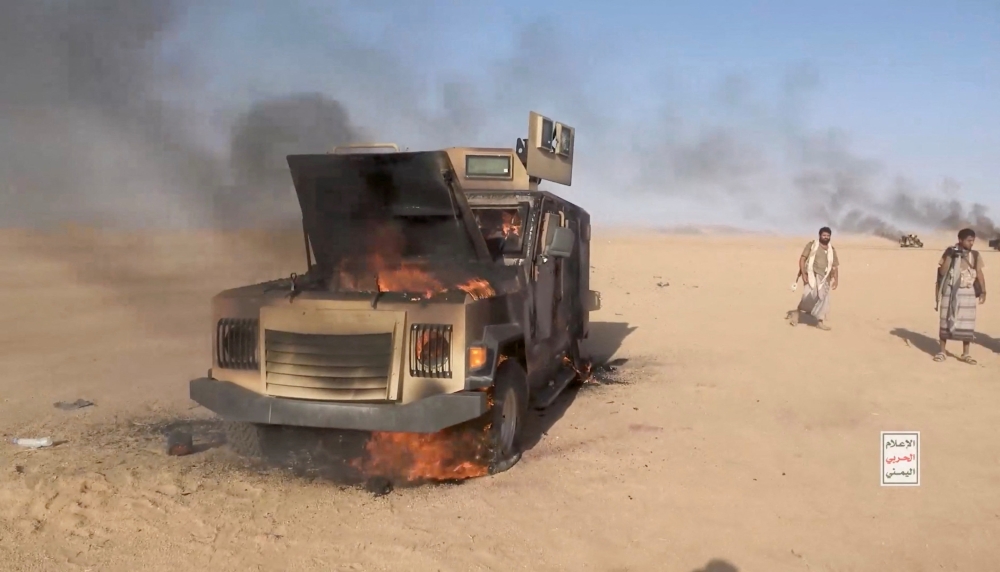
Sporadic flare-ups around the strait in recent days have tested a ceasefire that has paused all-out warfare since it took effect in early April.
In the United States, surveys show the war is unpopular with voters facing sharply higher gasoline prices less than six months before nationwide elections that will determine whether Trump's Republican Party retains control of Congress. Washington has also struggled to build international support, with Nato allies refusing to send ships to reopen the waterway without a full peace deal and an internationally mandated mission.
Oman Observer is now on the WhatsApp channel. Click here