




MUSCAT, MAY 9
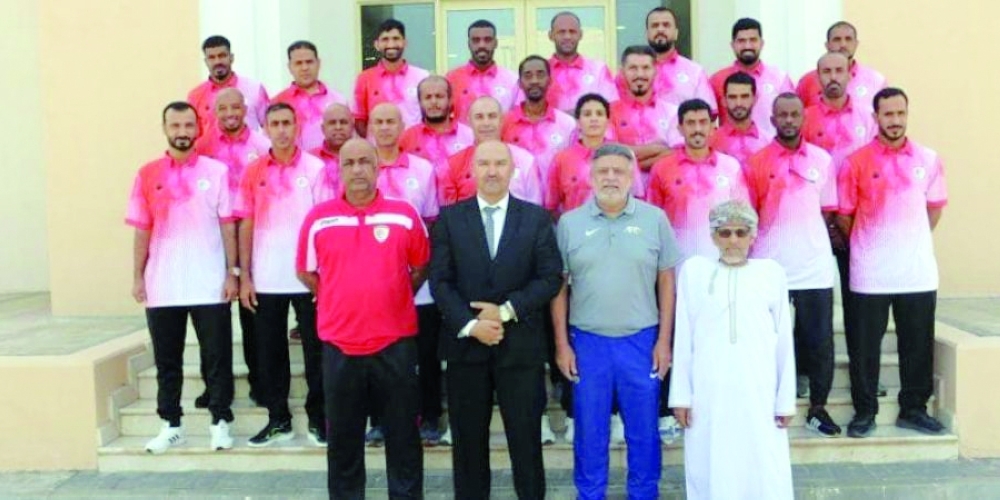
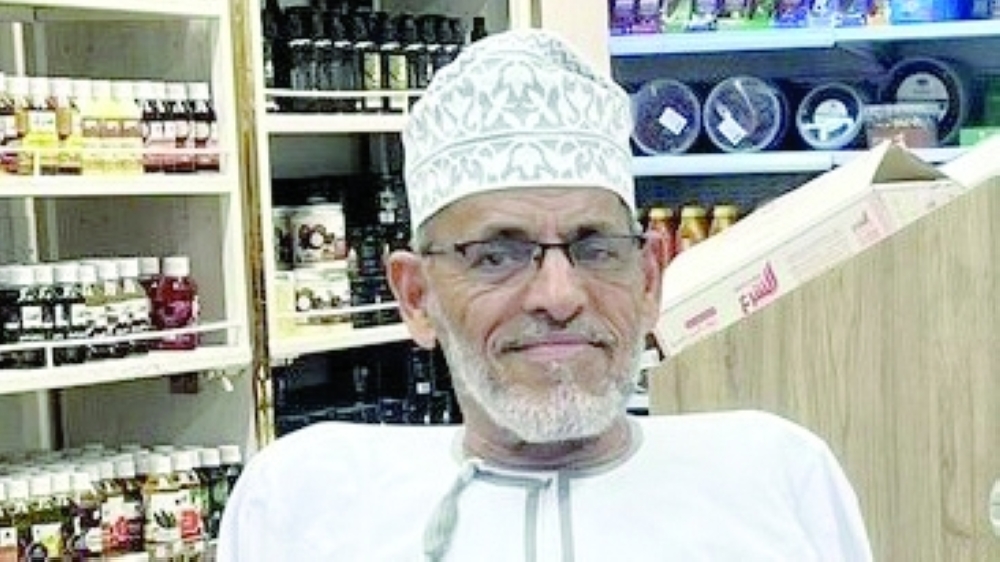
For more than five decades, veteran Omani referee Salim Ali Rajab has remained one of the respected names in the country’s refereeing history, dedicating his life to football as a referee, lecturer evaluator and administrator.
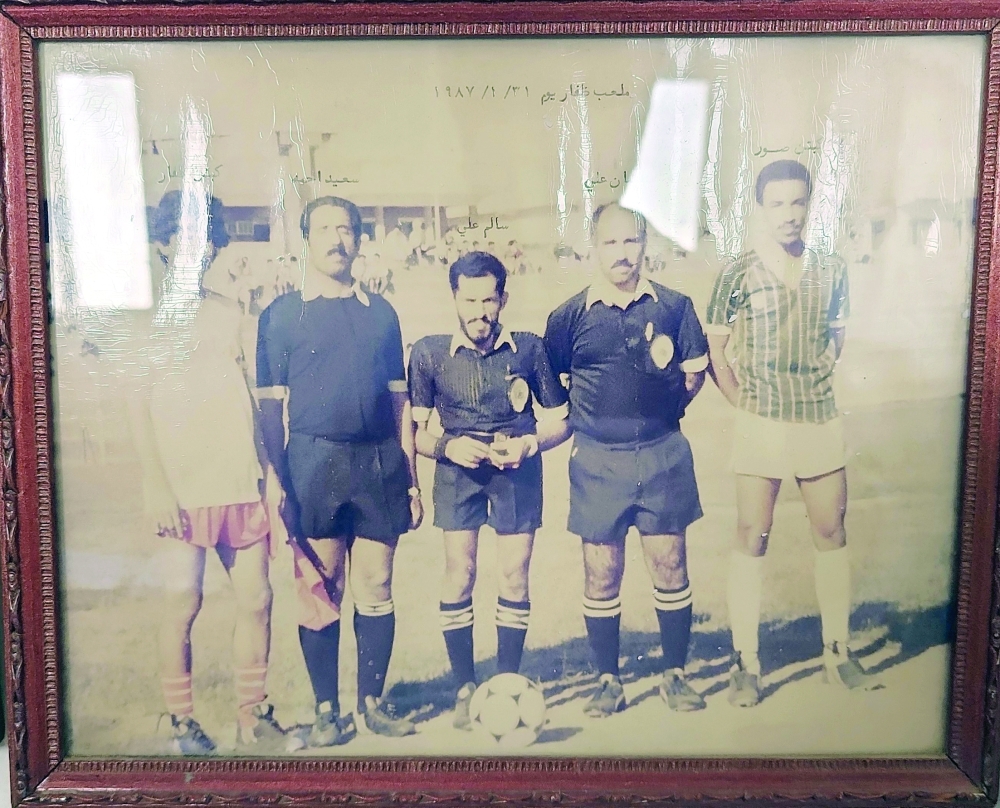
The 68-year-old spoke to Oman Observer about his umpiring journey which is still ongoing as evaluator and lecturer. His journey in officiating began in the early 1970s during the Renaissance era in Oman, when football was played on simple grounds in local neighbourhoods.
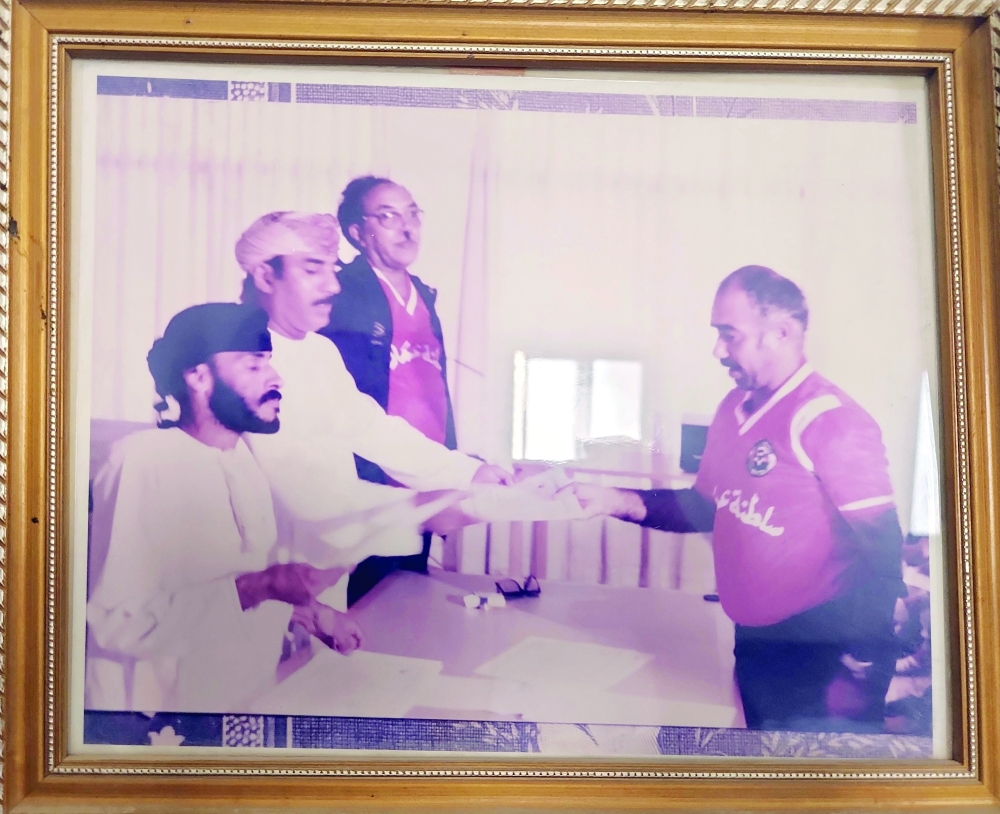
Speaking about his early beginnings, Salim recalled how his passion for the sport started on the beaches of Sidab, where several community teams used to gather and compete regularly.
“I was responsible for one of the local teams at that time and this strengthened my connection with football from all aspects,” he said. “After the establishment of Sidab Club, my interest gradually moved towards refereeing as I always enjoyed organising matches and ensuring fairness inside the field.”
His dedication and enthusiasm did not go unnoticed as he was nominated by the club to join the sports affairs office as a new referee before the establishment of the Oman Football Association (OFA).
Salim explained that the main motivation behind choosing refereeing was his deep love for football and his desire to contribute to the development of the game not only as a player or administrator, but also as an official capable of maintaining discipline, justice and respect for the laws of the game.
Like many pioneers of Omani sport, Salim faced several challenges in his early years. He highlighted the lack of facilities, transportation difficulties and limited administrative organisation during that era.
“We played football more of passion rather than resources,” he said. “Balancing sports with studies and work was not easy, while some people at that time considered sports only as a hobby rather than a profession or future career.”
VALUABLE EXPERIENCE
Despite the obstacles, Salim continued his journey through determination, self-development and teamwork. Over the years, he transformed those challenges into valuable experiences that later helped him serve Omani football in multiple roles, including his work with the referees committee and his contribution to preparing and evaluating young referees.
Salim, who hails from Salalah, shared some incidents from the past. “I had to officiate a match in Sur and we could not go by road. Then, we had arranged a boat from Muscat to Sur in order not to miss the match. Also, we were a group of referees and we had a car accident but still we moved to the stadium to officiate the match,” he said.
Reflecting on the evolution of refereeing in Oman, Salim praised the tremendous progress witnessed over the decades.
“In the past, refereeing depended mainly on personal effort and experience,” he explained. “Today, the environment is much more professional with advanced training courses, modern technology and better opportunities for referees to prove themselves at local and international levels.”
DHOFAR DERBY
Throughout his long career, Salim had officiated many important domestic matches, including high-profile and emotionally charged encounters. However, one particular match still remains vivid in his memory — the famous Dhofar derby between Dhofar Club and Al Nasr Club.
“It was one of the most challenging matches because of the huge fan attendance, media attention and the presence of several international players,” he recalled. “The match required maximum concentration and strong personality from the referee.”
One of the proudest moments of his career came when he was appointed as the fourth official in the final of the prestigious HM Cup, where he had the honour of greeting the late His Majesty Sultan Qaboos.
Although Salim did not officiate in international tournaments as a field referee, he built an impressive profile in refereeing development and administration. He participated in several lecturer preparation programmes organised by the OFA, the Arab Football Association and the Asian Football Confederation (AFC). He also attended specialised leadership and stadium management courses in the UAE and under AFC supervision.
On modern refereeing, Salim described the introduction of VAR technology as a major positive step for football. “VAR has helped reduce critical mistakes and improved fairness in matches,” he said. “However, technology should support the referee and not replace his authority inside the field.”
He also admitted that today’s referees are under greater pressure due to the speed of the game, media scrutiny and technological advancements, but pointed out that modern referees now receive better preparation and education to handle such challenges.
FOCUS ON DISCIPLINE
The veteran referee stressed that young officials must focus on discipline, fitness, continuous learning and confidence.
“A referee should never stop learning,” he said. “Reading the laws of the game, analysing matches, maintaining physical fitness and accepting constructive criticism are essential for success.”
Salim also highlighted some of the common mistakes made by beginner referees, including poor positioning, weak communication with assistants, losing concentration in the final stages of matches and being influenced by crowd pressure.
Even after retirement, Salim remains closely connected to football through referees’ evaluation, coaching courses and seminars aimed at developing the next generation of Omani referees.
“The Omani sport has great potential and talented youth capable of achieving success,” he concluded. “What we need is continuous planning, proper development of age-group players and greater support for national talents in all sporting sectors.”
Oman Observer is now on the WhatsApp channel. Click here