




MUSCAT: Despite rapid urban expansion across Muscat Governorate, the traditional aflaj irrigation system continues to stand as a powerful testament to Omani ingenuity in water management and environmental adaptation.
Recognised as one of the world’s oldest irrigation systems, aflaj remain vital for agriculture and domestic use, while increasingly gaining attention as cultural and tourism assets.
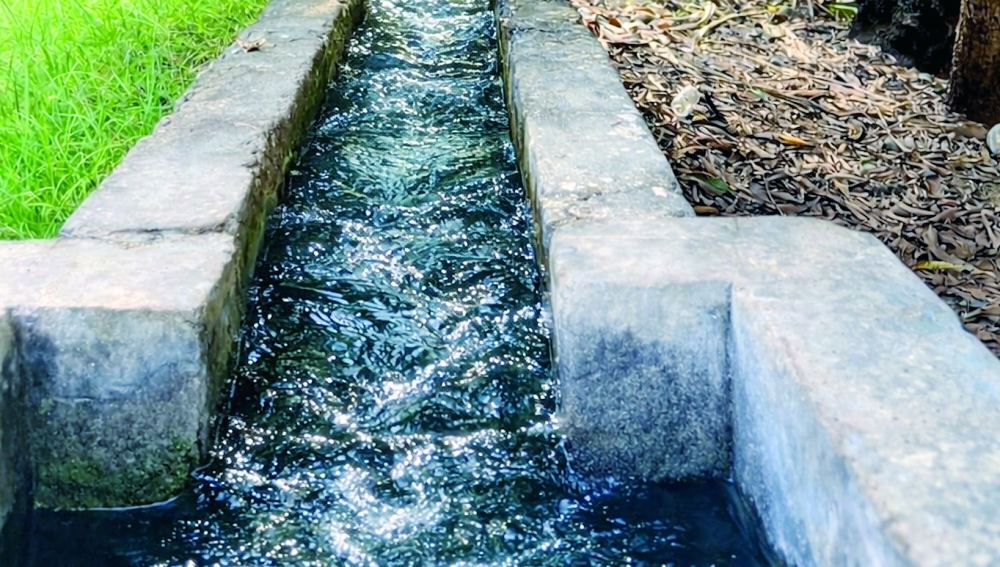
The falaj system channels water from natural sources — groundwater, springs and surface runoff — through gently sloping channels that extend over long distances to farms and settlements.
Engineered with remarkable precision, these channels ensure a steady, gravity-driven flow without mechanical intervention, reflecting a sustainable and cost-efficient model of water management.
According to official data, Oman is home to approximately 4,112 aflaj, including 239 in Muscat Governorate. These systems are classified as either perennial or intermittent. Qurayat records the highest number, followed by Bausher, Al Amerat and Al Seeb, while Muscat and Muttrah have comparatively fewer.
Beyond their functional role, aflaj represent a well-organised social system, where water distribution is regulated through precise time-sharing arrangements. This structure prioritises domestic and agricultural needs, underscoring a long-standing culture of conservation within Omani society.
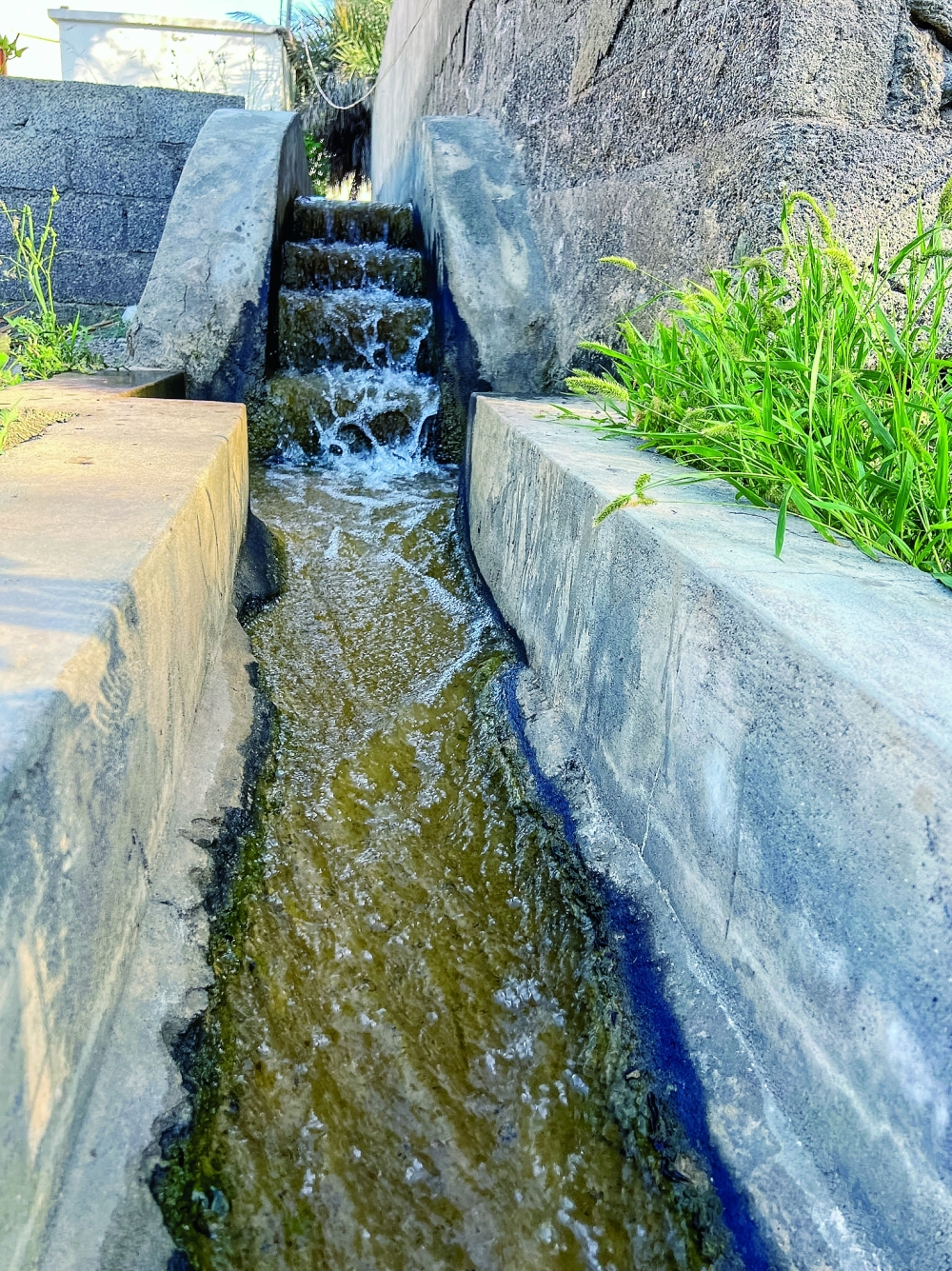
Aflaj are categorised into three main types. Dawoodi aflaj are the most complex, consisting of underground tunnels that can extend for kilometres and provide continuous water flow year-round. Aini aflaj depend on natural springs and are often characterised by warm or hot water, particularly in mountainous areas. Ghaili aflaj rely on surface runoff and rainfall, making them more vulnerable to seasonal variability.
Qurayat alone hosts 117 aflaj, including 90 perennial and 27 intermittent systems, reflecting the wilayat’s diverse water sources. These include 10 Dawoodi, 50 Aini and 57 Ghaili aflaj.
In Bausher, 52 aflaj have been recorded, of which 40 remain active. The area is particularly known for its Aini systems, numbering 47, some with naturally heated waters. Among the most notable are Al Hammam and Ghala, alongside mineral-rich springs valued for their therapeutic properties.
Al Hammam falaj stands out as one of the governorate’s most prominent systems, with water temperatures ranging between 60°C and 65°C. Located within a historically rich setting surrounded by forts and mosques, it serves both agricultural and therapeutic purposes.
Al Amerat is home to 49 aflaj, including 30 active systems. These encompass all three types, with Al Aswad falaj — a Dawoodi system extending nearly 1,885 metres — among the most significant. Al Amerat falaj, an Aini type, also plays a key role in supporting local agriculture.
In Al Seeb, 16 aflaj have been identified, evenly divided between active and inactive systems. Muttrah has only two aflaj, both active, including Bait Al Falaj, notable for its combined channel length exceeding six kilometres.
Today, aflaj represent far more than an irrigation method. They are a symbol of Oman’s cultural identity and engineering heritage, while increasingly attracting visitors interested in the country’s historical relationship with water and landscape.
Amid mounting climate challenges and pressure on water resources, national efforts continue to focus on preserving and maintaining these systems. Initiatives include regular maintenance, structural and hydrological monitoring, public awareness campaigns, and the integration of modern water management practices.
Experts stress that sustaining aflaj requires close collaboration between government institutions and local communities to ensure the longevity of this vital resource — both as a cornerstone of water and food security and as a defining feature of Oman’s heritage.
Oman Observer is now on the WhatsApp channel. Click here