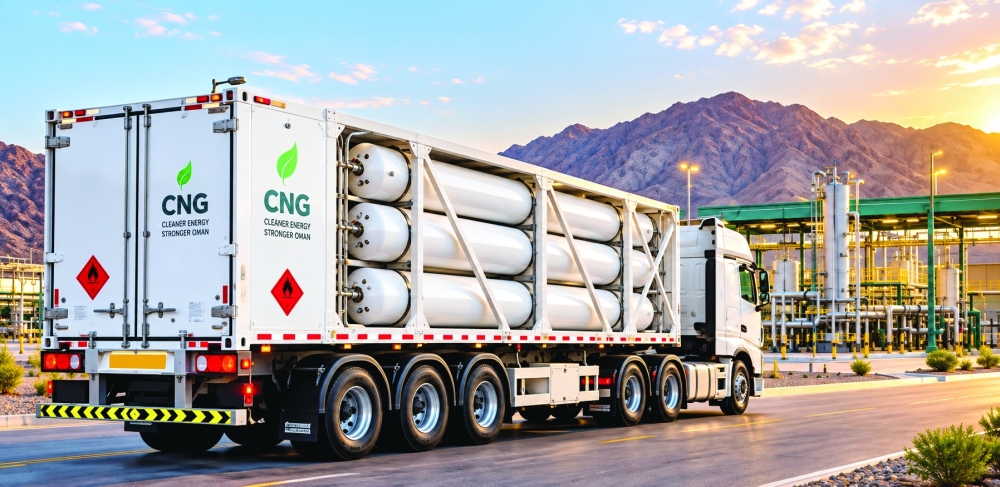





MUSCAT: Oman’s natural gas production, including imports, rose by 2.5 per cent to 13.744 billion cubic metres by the end of March 2026, up from 13.4076 billion cubic metres a year earlier, according to the National Centre for Statistics and Information. The increase reflects stronger supply availability amidst rising demand from key consuming sectors.
Associated gas output declined by 2.2 per cent to 2.975 billion cubic metres, compared with 3.0368 billion cubic metres in the same period of 2025. In contrast, non-associated gas — including imports — recorded growth, supporting overall supply expansion.
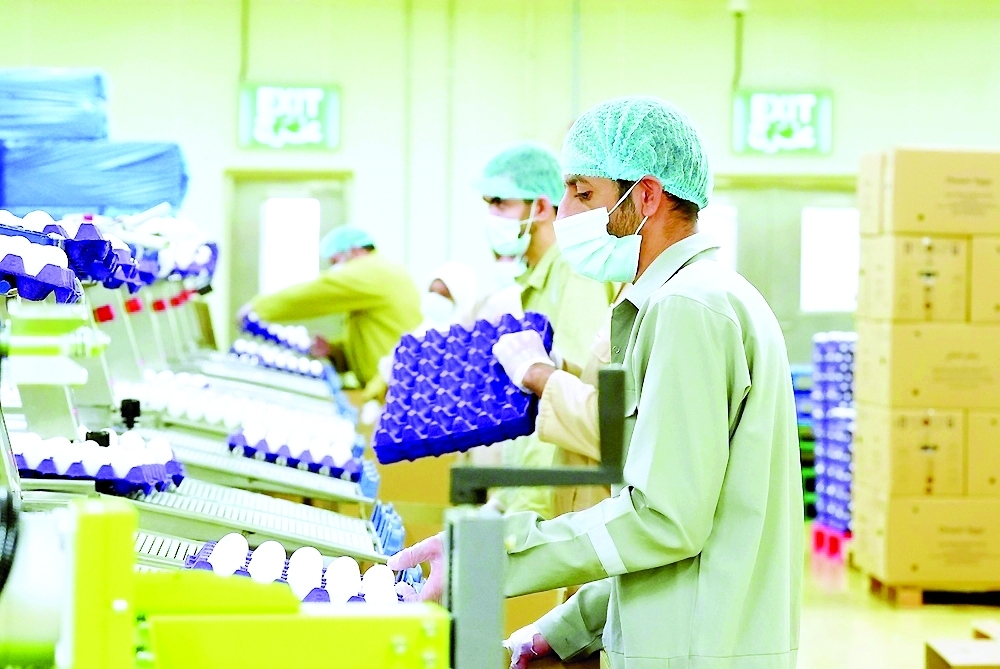
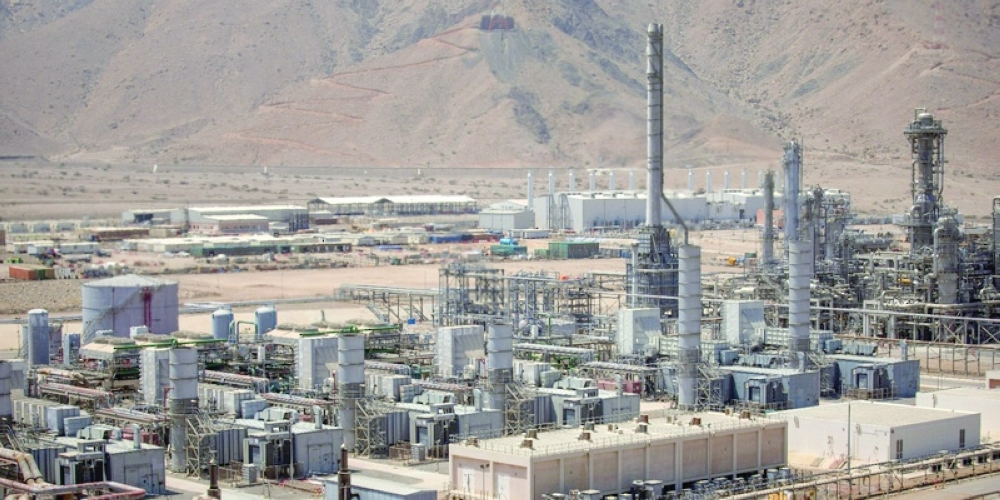
On the demand side, consumption trends were mixed but generally upwards. Gas use in industrial projects increased by 3.1 per cent to 7.3674 billion cubic metres, indicating continued activity across manufacturing and processing industries. Consumption by power generation plants rose more sharply, up 12.9 per cent to 3.5308 billion cubic metres, underscoring higher electricity demand.
By contrast, gas consumption in oil fields — including losses and operational factors such as shrinkage — declined by 8.8 per cent to 2.7984 billion cubic metres, suggesting improved efficiency or reduced operational requirements.
Meanwhile, gas use in industrial areas, including industrial zones and the Oman Cement Company, fell significantly by 31.6 per cent to 47.2 million cubic metres, down from 69.1 million cubic metres a year earlier.
Overall, the data point to a gas market shaped by rising power and industrial demand, offset by efficiency gains in upstream operations and softer consumption in select industrial clusters.
Oman Observer is now on the WhatsApp channel. Click here