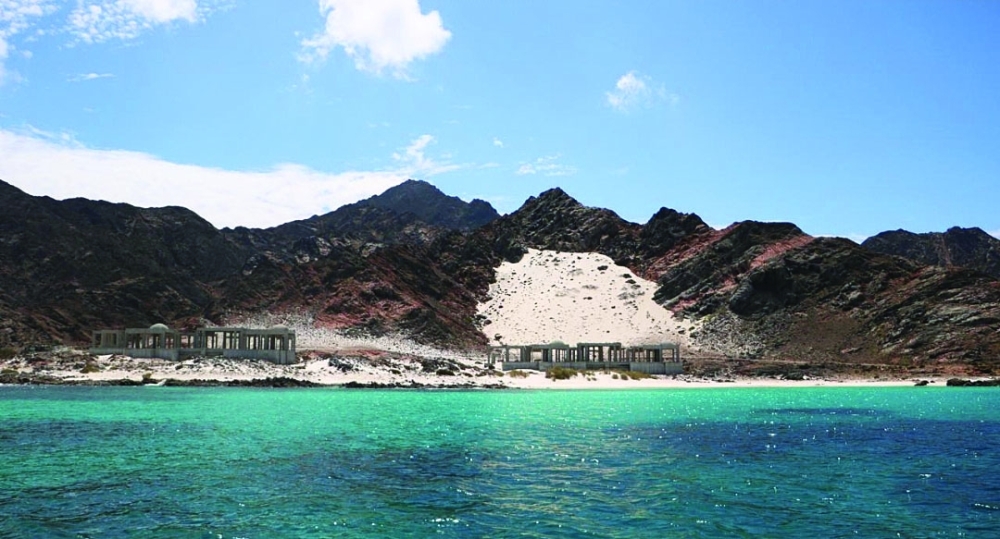





MUSCAT: Established as a Nature Reserve by Royal Decree No 96/2025, Al Hallaniyat Islands serve as a protected marine buffer zone in Dhofar Governorate. The reserve comprises five islands: Al Hallaniyat, Al Sawda, Al Hasikiyah, Al Qabliyah and Al Shunais. While primarily a destination for specialised marine life tourism, the islands also boast a rich coastline teeming with a diverse array of coral reefs, fish and turtles that frequent the beaches to lay their eggs.
Ali bin Mohammed al Shahri, a resident of the islands and head of the Fisheries Development Centre for Al Hallaniyat Islands, noted that tourists typically visit in September. He stated that tourists enjoy spending most of their day on boats, exploring Al Sawda Island (also known as Black Island) and Al Qabliyah Island, a hotspot for birds. Al Hasikiyah Island is home to both birds and animals, while Al Shunais is the smallest island in the group.
Dolphins and whales are commonly spotted in the area, and the islands serve as key nesting sites for seabirds like the Masked Booby, Socotra Cormorant and Sooty Gull.
The importance of Al Hallaniyat Islands as a nature reserve lies in its critical habitat for humpback whales, sea turtles and rare seabirds.
Located northeast of Dhofar, the islands are part of Wilayat Shaleem and Al Hallaniyat Islands, making them a premier destination for diving, whale watching, dolphin spotting and exploring diverse marine life, including coral reefs.
As of April 2026, special permits from the Environment Authority are required for entry to the islands. Non-resident fishing, unauthorised anchoring and pollution are strictly prohibited. Local fishermen now exclusively fish in the area, refraining from using fish nets and adopting safe fishing practices.
"The best months for fishing are October, November, February and March," Al Shahri advises. Conservation measures are in place to protect turtle nesting beaches, coral reefs, birds, and ensure sustainable use of fish resources. The reserve's boundaries extend from the highest tide point on each island's shores to a distance of five kilometres into the sea, covering approximately 667 square kilometres of diverse topography, including deserts, highlands, springs, bays and beaches.
According to Unesco, "A partial counting survey showed that the islands support one of the most important nesting areas in the world for Loggerheads. Green Turtles were observed in the sea, and local residents confirm the presence of two types of turtles laying their eggs on the island. Skulls found near the beaches indicate that Hawksbills also nest on the island."
The best time to visit the Al Hallaniyat Islands in Oman is from October to April, with peak weather conditions typically occurring from December to February. During these months, the islands offer pleasant weather, calm seas, and optimal conditions for snorkelling, diving, dolphin watching, and boat trips.
Oman Observer is now on the WhatsApp channel. Click here