




Iran's Foreign Minister Abbas Araqchi said on Monday that Tehran was looking into US President Donald Trump's request for negotiations, according to a post on the minister's Telegram account.
He told reporters in Russia that Trump requested negotiations because the US has not achieved any of its objectives.
Trump scrapped a visit to Islamabad by his envoys Steve Witkoff and Jared Kushner for talks on ending the conflict, and said Iran could telephone if it wanted to negotiate.
Meanwhile, sources from mediator Pakistan said work has not halted to bridge gaps between the United States and Iran despite the failure of face-to-face diplomacy after Trump called off a trip by his envoys last week.
Iranian sources disclosed Tehran's latest proposal on Monday, which would set aside discussion of Iran's nuclear programme until the war is ended and disputes over shipping from the Gulf are resolved. That is unlikely to satisfy Washington, which says nuclear issues must be dealt with from the outset.
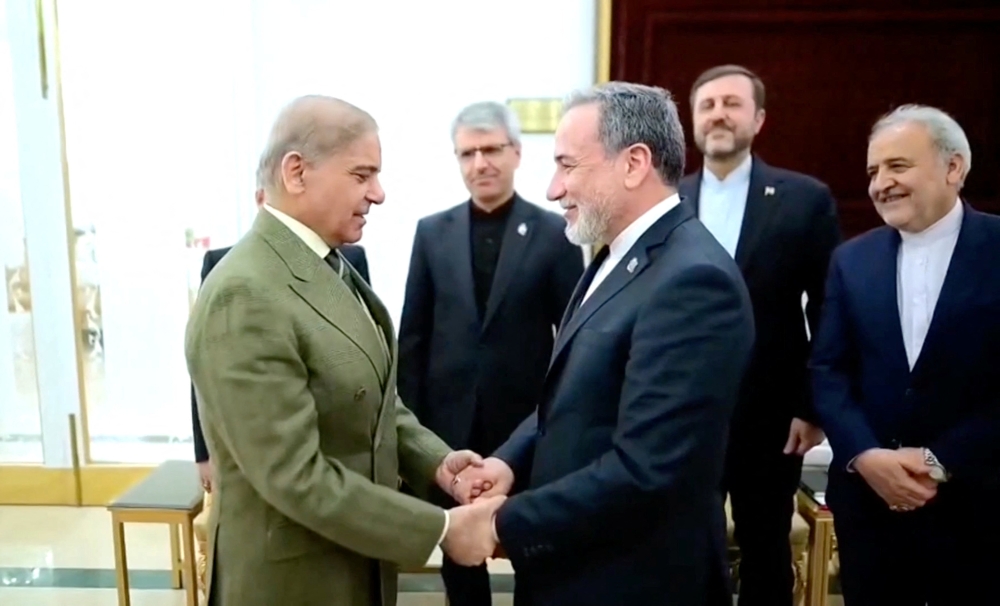
Hopes of reviving peace efforts have receded since the US president scrapped a visit on Saturday by his envoys to Islamabad, where Iranian Foreign Minister Abbas Araqchi shuttled in and out twice over the weekend.
Araqchi went to Russia on Monday, where he met President Vladimir Putin and received words of support from a longstanding ally.
With the warring sides still seemingly far apart on issues including Iran's nuclear ambitions and access through the crucial Strait of Hormuz, oil prices resumed their upward march when trade reopened on Monday. Brent crude was up around 2.5 per cent at around $108 a barrel.
"If they want to talk, they can come to us, or they can call us. You know, there is a telephone. We have nice, secure lines," Trump told "The Sunday Briefing" on Fox News.
"They know what has to be in the agreement. It's very simple: They cannot have a nuclear weapon; otherwise, there's no reason to meet," Trump said.
Senior Iranian sources, speaking on condition of anonymity, said the proposal carried by Araqchi to Islamabad over the weekend envisioned talks in stages, with the nuclear issue to be set aside at the start.
A first step would require ending the US-Israeli war on Iran and providing guarantees that Washington cannot start it up again. Then, negotiators would resolve the US blockade and the fate of the Strait of Hormuz, which Iran aims to reopen under its control.
Only then would talks look at other issues, including the longstanding dispute over Iran's nuclear programme, with Iran still seeking some kind of US acknowledgement of its right to enrich uranium for what it says are peaceful purposes.
Asked about any new Iranian proposals, White House spokesperson Olivia Wales said: "These are sensitive diplomatic discussions and the US will not negotiate through the press.
"As the president has said, the United States holds the cards and will only make a deal that puts the American people first, never allowing Iran to have a nuclear weapon."
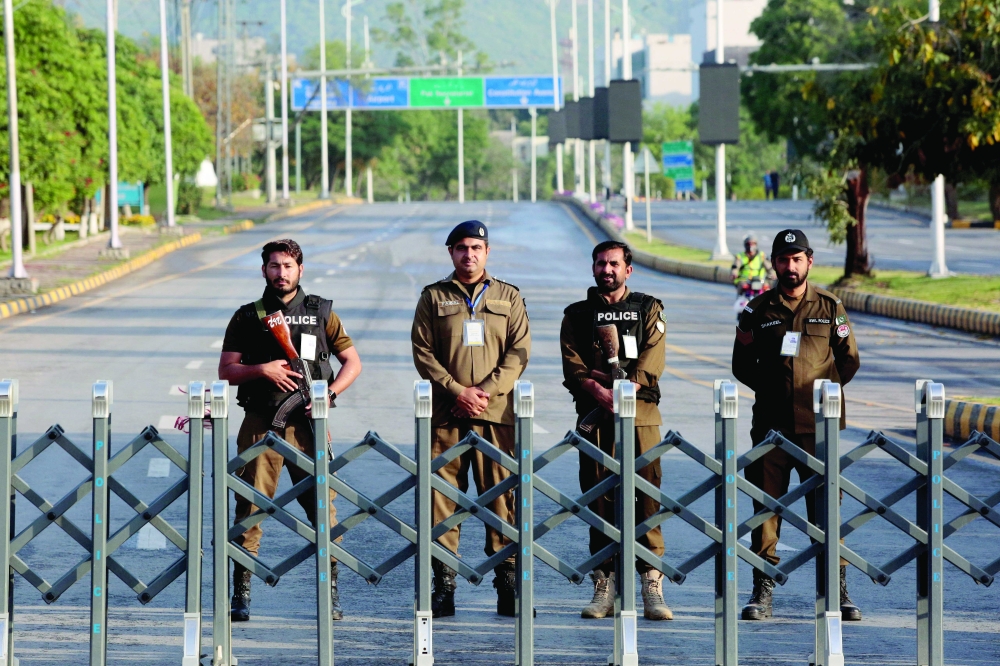
In a sign that no face-to-face meetings are planned any time soon, streets reopened in Pakistan's capital Islamabad, which had been locked down for a week in anticipation of talks that never took place. Pakistani officials said negotiations were still taking place remotely, but there were no plans to convene a meeting in person until the sides were close enough to sign a memorandum.
"The draft will be negotiated remotely till they reach some consensus," said a Pakistani source familiar with the negotiations.
Oman Observer is now on the WhatsApp channel. Click here