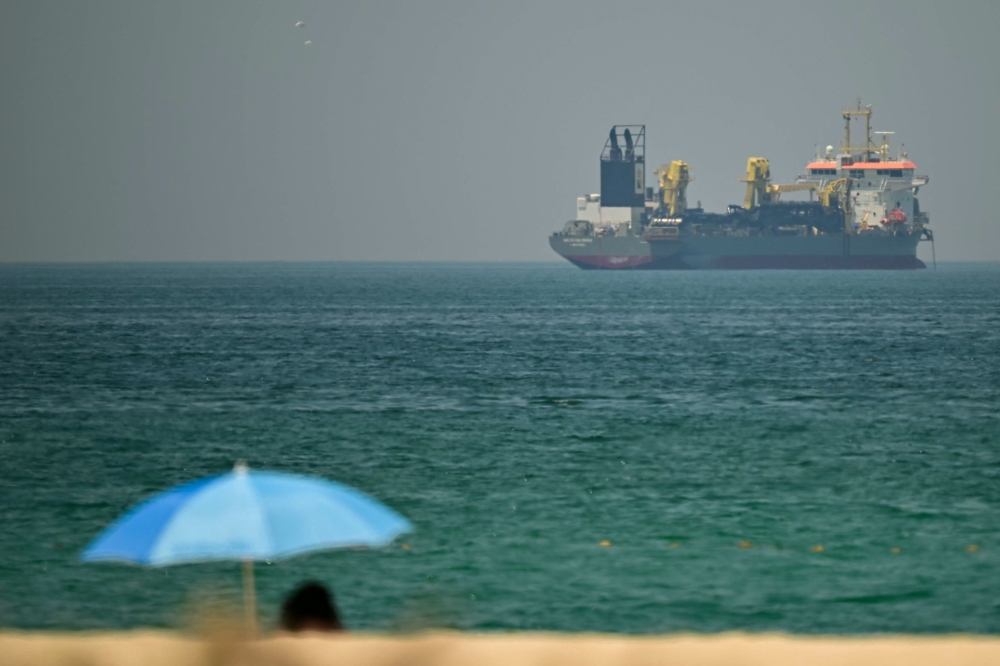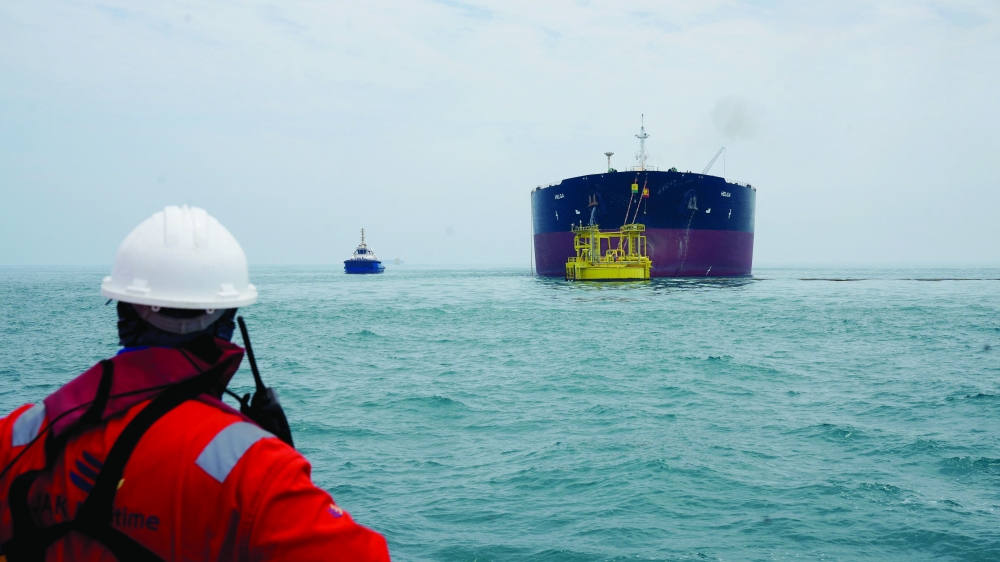





LONDON: At least seven ships — mainly dry bulk vessels — have crossed the Strait of Hormuz in the past 24 hours, in line with muted activity in recent days, shipping data showed on Monday, while talks between Iran and the United States have stalled. The vessels included ships leaving from Iraqi ports and one dry bulk vessel from an Iranian port, according to ship tracking data from Kpler and separate satellite analysis from data analytics specialists SynMax.
Shipping traffic passing through the crucial waterway at the entrance to the Gulf during an uneasy ceasefire between Washington and Tehran represents a fraction of the average 140 daily passages before the Iran war began on February 28.
The US Central Command has redirected 37 vessels since a blockade was imposed on Iran on April 13, the military said on April 25. Six Iranian tankers returned to Iranian ports and sailed back through Hormuz in recent days with some 10.5 million barrels of oil, according to satellite analysis from TankerTrackers.com. Around four million barrels of Iranian oil onboard tankers sailed through the US blockade on April 24, according to separate satellite analysis from TankerTrackers.com.
The inflationary fallout from the Iran war has been at the forefront of concerns, as the crucial Strait of Hormuz, which handles over one-fifth of the world's energy trade, remains choked, especially for energy-reliant Asian and European economies. However, as the war enters its third month, investors seem to be looking past the conflict to focus on economic fundamentals and quarterly earnings.
Six tankers loaded with Iranian oil have been forced back to Iran by the US blockade in recent days, ship-tracking data shows, underscoring the impact the Iran war is having on traffic through the Strait of Hormuz. The strait typically handles 20% of the world's daily supply of oil and LNG. Activity has remained curtailed through it as talks between Iran and the United States remain stalled nearly two months into the war. — Reuters
Oman Observer is now on the WhatsApp channel. Click here