




Under the open sky of the Preparatory Studies Centre at the University of Technology and Applied Sciences — Muscat, A’dar Dark unfolded not just as an event, but as a living narrative, one that invited visitors to step through time, culture and self. The name itself, loosely translating to “my home is your home”, echoes the spirit of the well-known Spanish saying mi casa es su casa, setting the tone for an experience rooted in belonging and shared identity.
Held over three consecutive days in the outdoor courtyards, the event was designed as a journey. From the very first step, visitors were transported through a symbolic “gateway of time”, surrounded by books, stories and echoes of civilisations that date back thousands of years. It was a reminder that culture is not inherited passively, but discovered, questioned and reshaped.
The journey began with the evolution of culture itself. From ancient cave drawings created using natural materials such as animal blood, charcoal and coloured stones, to the emergence of writing systems like hieroglyphics and cuneiform, visitors experienced firsthand how humans preserved their stories. Some paused to write their own messages using papyrus and ink, bridging the ancient with the personal. Others experimented with feather quills, rediscovering the tactile intimacy of writing before the digital age transformed it into something instantaneous.
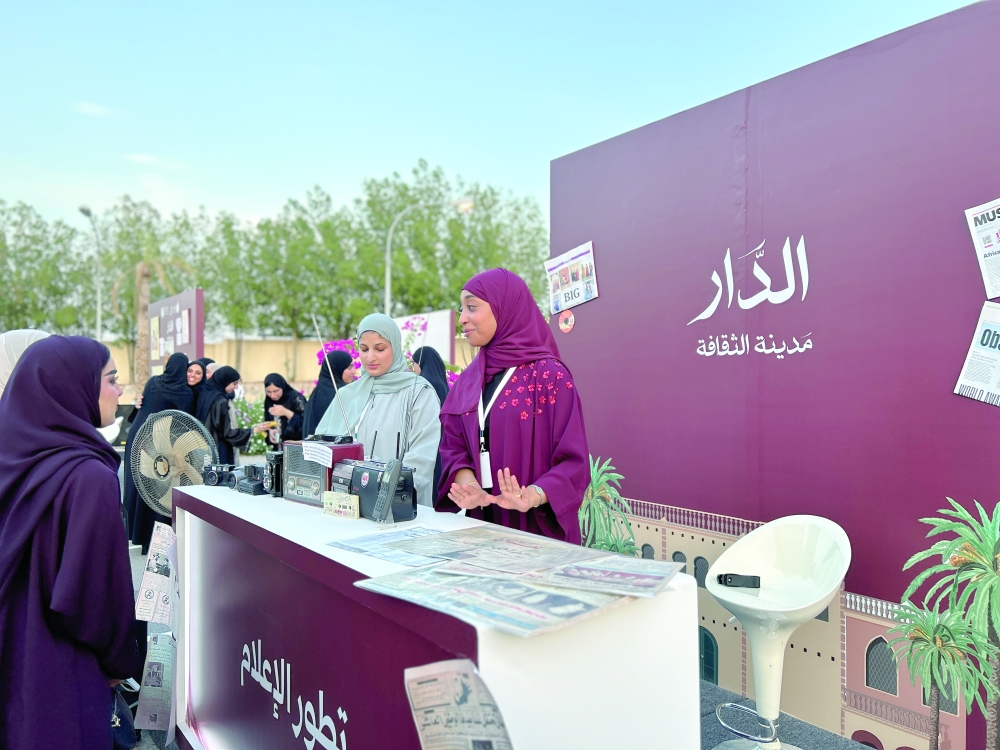
From there, the narrative flowed into the evolution of media. The written word gave way to sound, then image. Visitors moved through sections that traced this transformation, from newspapers and typewriters to radio broadcasts and television screens, raising a subtle question, in an age of endless content, are we documenting our “homes” as meaningfully as those before us?
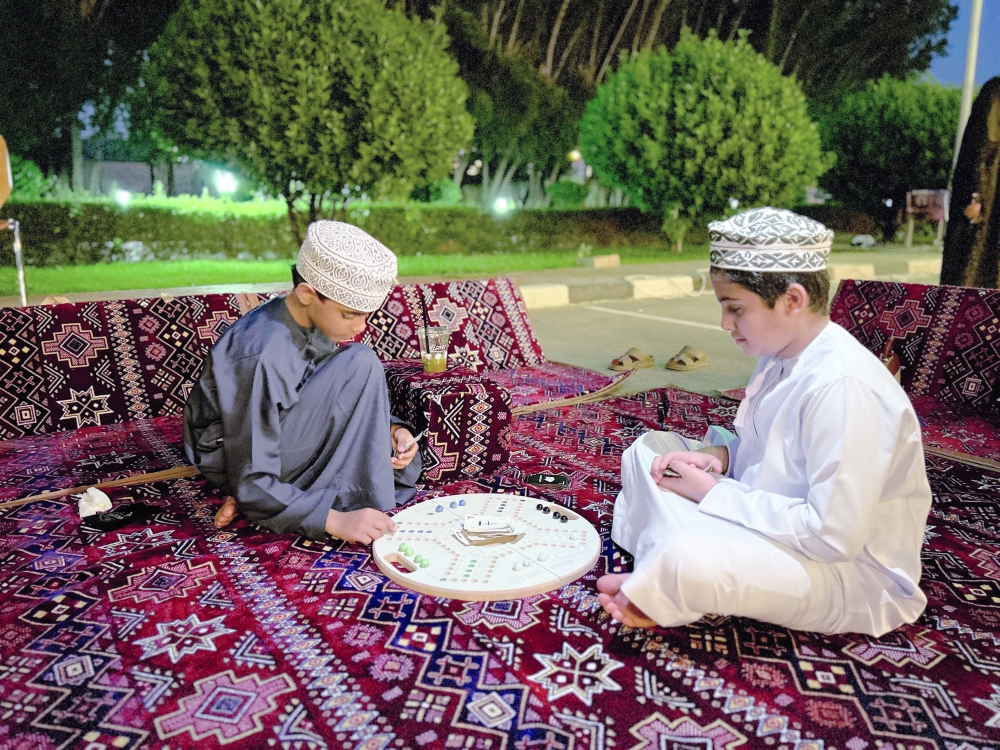
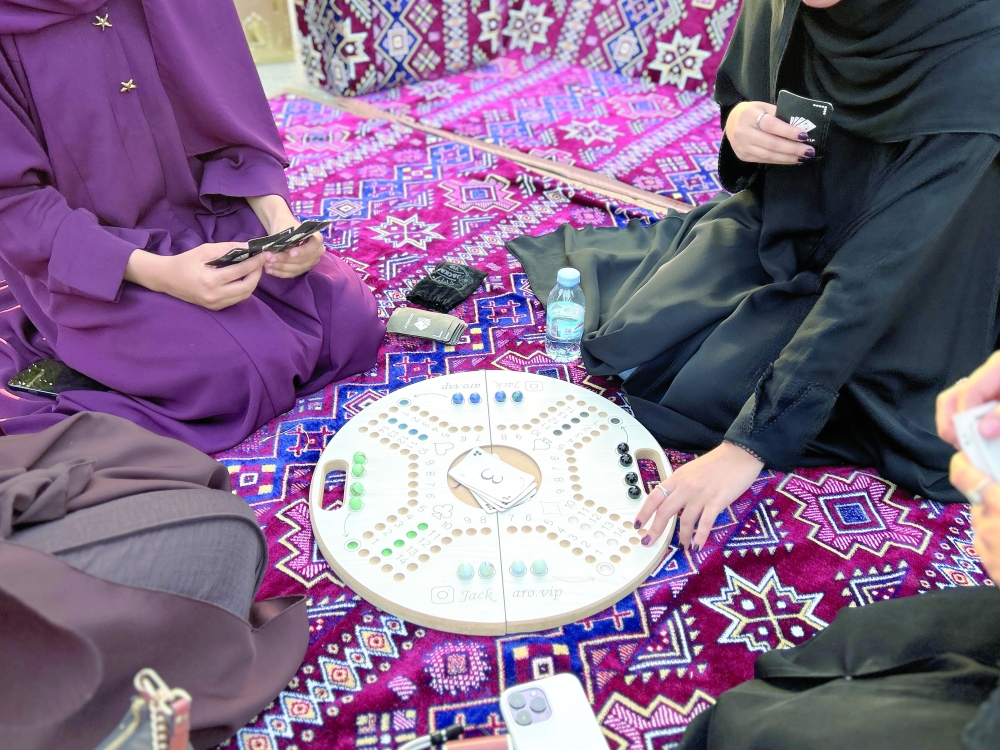
At the heart of the event stood the “Diwan”, a space that blurred the line between tradition and interaction. Designed as two mirrored seating areas with red carpets and cushions, it hosted discussions, laughter and even friendly competitions in carrom, UNO and Fifa. It was here that culture felt most alive, not in artefacts, but in connection.
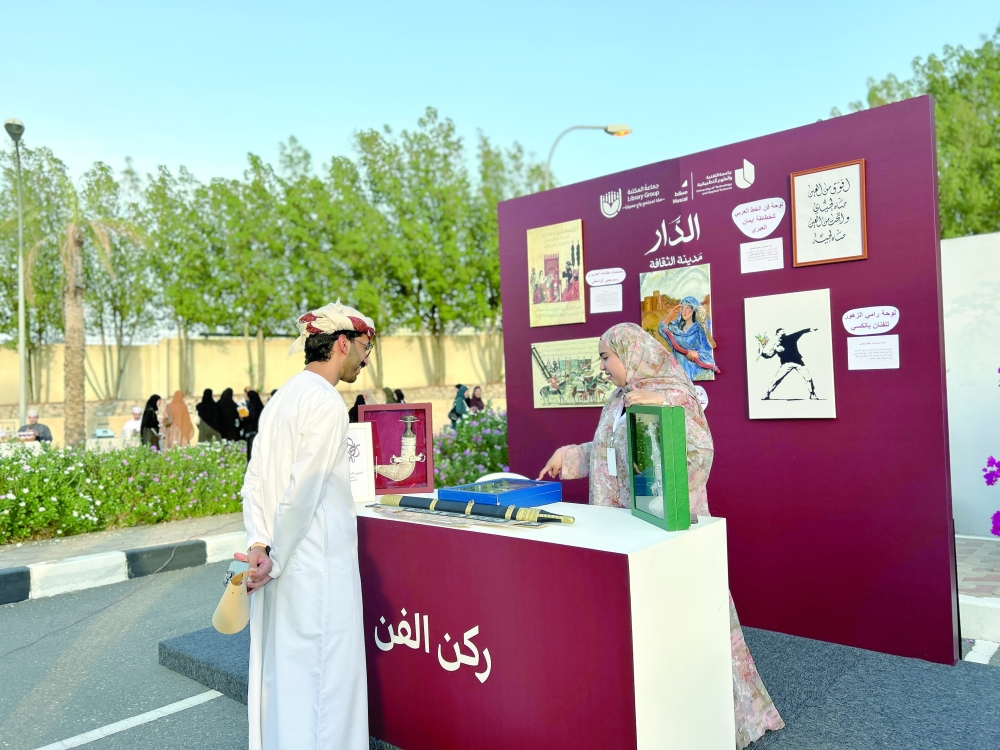
The artistic corner added another dimension. Yumna al Abri, a student participant, guided visitors through displays of Omani craftsmanship, silver-crafted khanjars, intricately designed belts and swords tinted with gold hues. Each piece carried not just aesthetic value, but history. Nearby, a calligraphy artwork by Iman al Abri told a layered Omani tale through a poetic phrase, revealing how language itself can carry resistance, wit and identity.
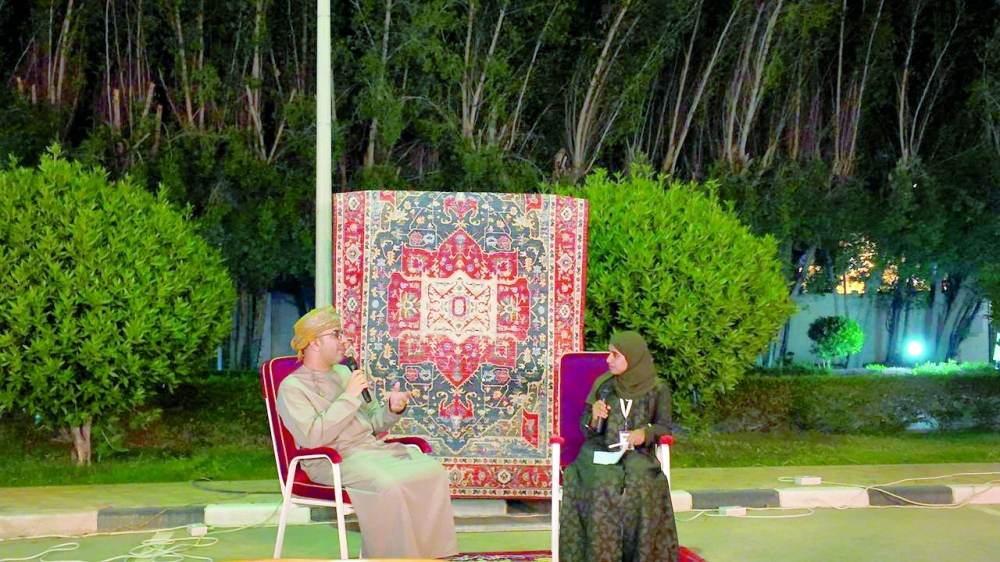
Yet, it was the panel discussions that gave the event its contemporary pulse.
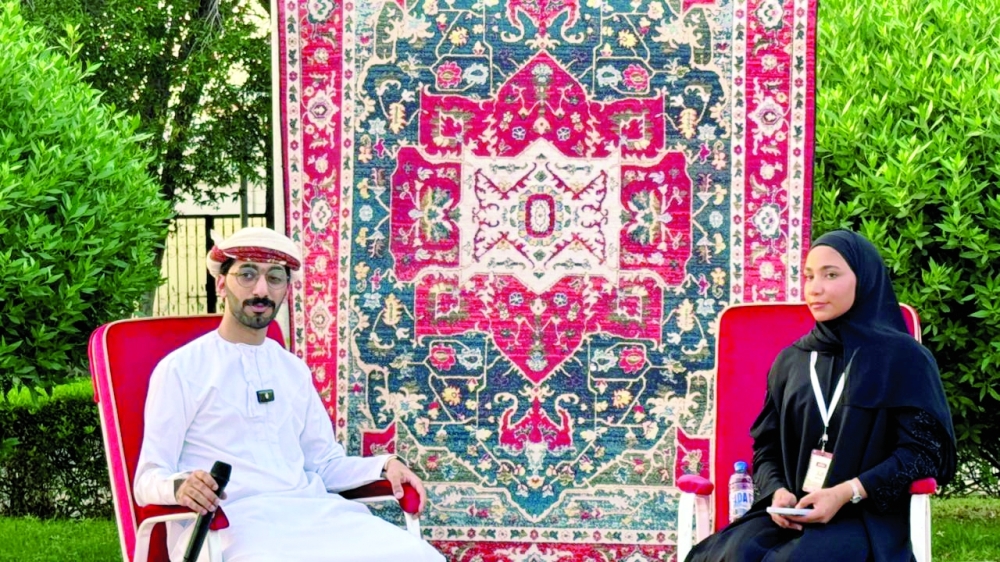
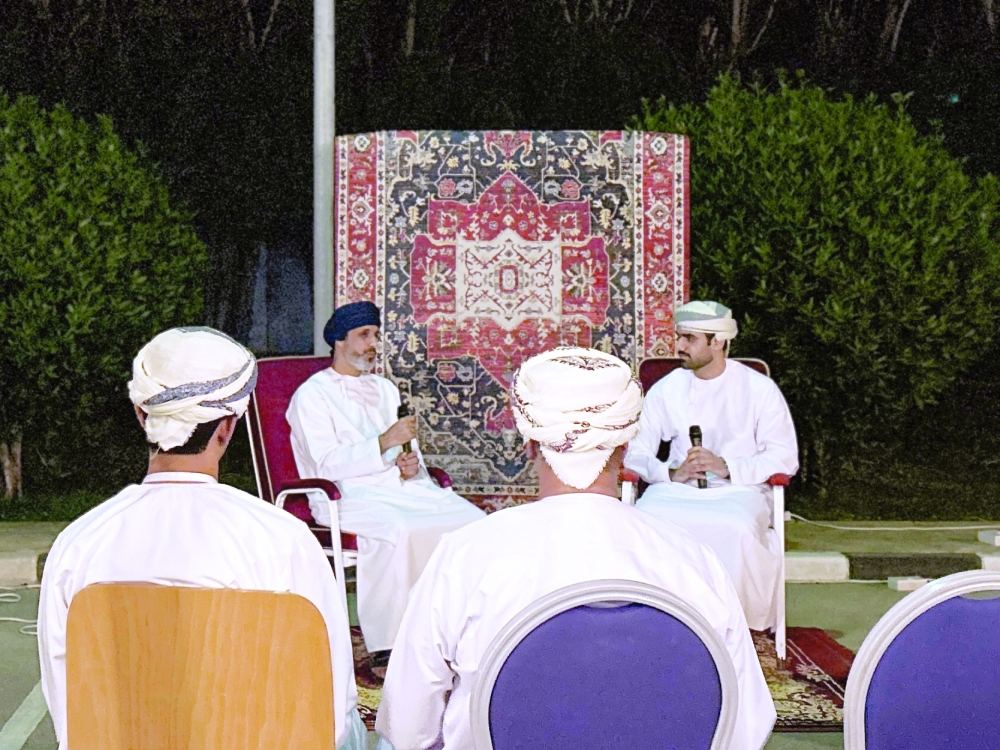
In one session, Fatma al Hamhami explored the influence of social media on behaviour, prompting reflection on how digital spaces shape identity. In another, Salman al Maskari, a film critic and podcast host, led a compelling dialogue on the power of cinema and television. He argued that media is not merely a mirror of society, but a force that can shape it, sometimes subtly, sometimes profoundly.
Al Maskari emphasised the importance of awareness in consuming content, noting that while some works reflect real societal issues, others construct realities that can normalise harmful behaviours. He pointed to the role of values and cultural grounding in navigating this influence, encouraging audiences to engage critically rather than passively.
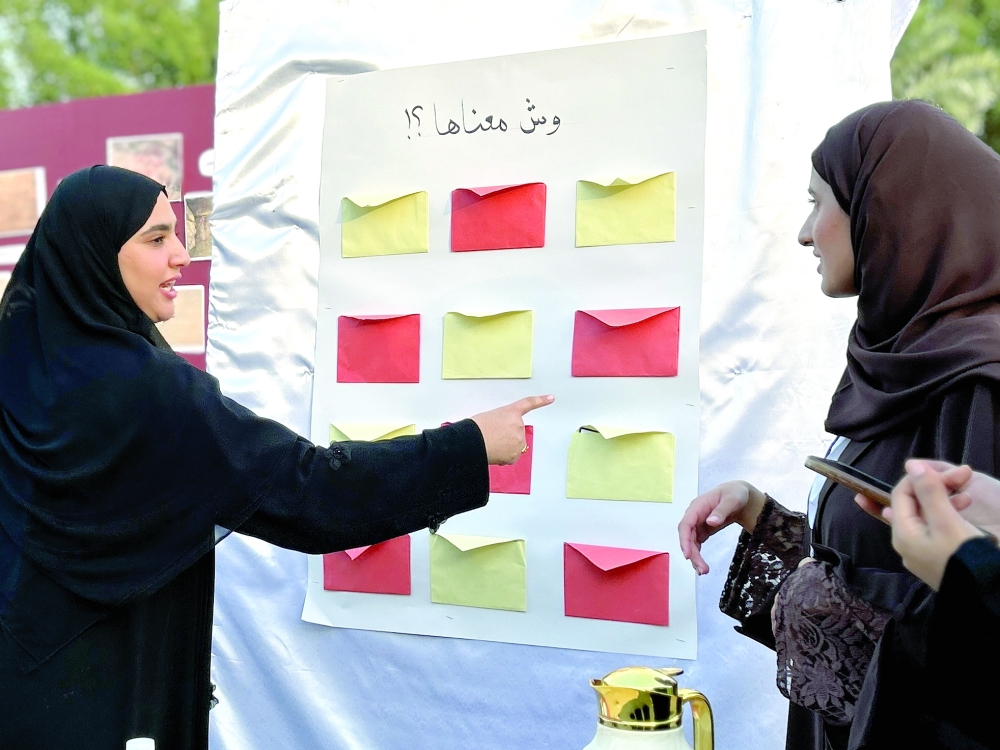
As visitors reached the final stop, the archive wall, they were invited to leave behind a trace of themselves. Notes, memories and reflections filled the space, transforming it into a collective story still being written.
Because, as A’dar Dark quietly insisted, culture does not begin in books or screens.
It begins with you.
Oman Observer is now on the WhatsApp channel. Click here