




MUSCAT, APRIL 24
MUSCAT: SOHAR Port and Freezone is advancing an integrated decarbonisation and energy efficiency strategy, underpinned by clear targets and timelines, as it positions itself as a key enabler of Oman’s transition to a low-carbon industrial economy.
At the core of this strategy, announced in a recent post, is a strong push into hydrogen and clean energy.
The port is positioning itself as a clean hydrogen hub for industrial decarbonisation and future exports, with plans to develop a 100 MW electrolysis pathway supported by enabling infrastructure. In parallel, it is progressing hydrogen value chains, including natural (white) hydrogen where feasible, as part of a broader effort to anchor a regional hydrogen ecosystem.
Complementing these initiatives, Sohar Port is targeting 30 per cent of its energy requirements from clean sources within five years, supported by the rollout of solar photovoltaic systems across rooftops and available land.
In addition, the port is exploring hydropower generation using its water canal network — an innovative, site-specific renewable solution that could further diversify its energy mix.
Building on these foundations, the port is scaling up industrial decarbonisation and circularity initiatives. Central to this effort is the potential to enable the capture of 1–2 million tonnes of CO₂ annually by 2032 through cluster-based carbon capture solutions. The port is also promoting industrial symbiosis to convert by-products into valuable inputs, while embedding circular economy practices to reduce waste and enhance resource efficiency across its industrial base.
Additionally, in support of its energy efficiency goals, Sohar Port is targeting a 20 per cent reduction in electricity consumption within five years through a combination of retrofits and smart technologies. Measures include LED lighting upgrades with sensor-based controls, optimisation of cooling and HVAC systems; and the deployment of waste-heat recovery solutions where viable, delivering both emissions reductions and cost efficiencies.
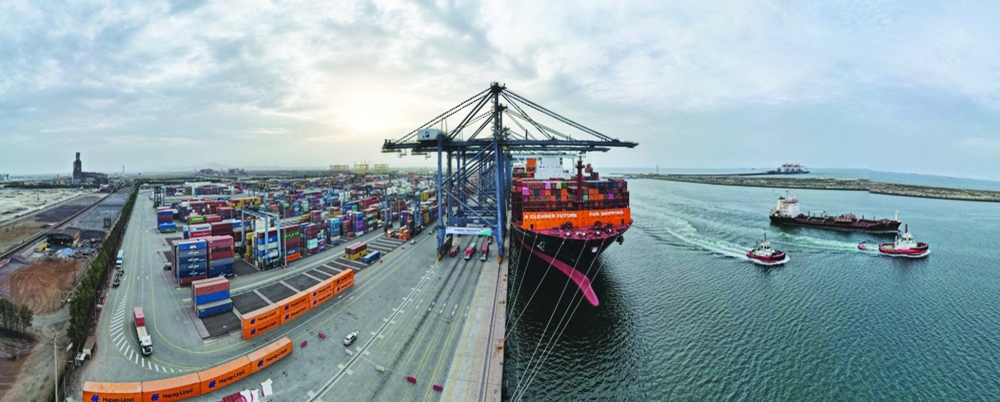
Efforts are also underway to decarbonise logistics and shipping operations. Under its green logistics programme, the port is working to reduce landside emissions through fleet transition initiatives and operational efficiencies, including the adoption of electric and hybrid vehicles. Digitalisation of freight flows is being leveraged to reduce idle time and improve turnaround efficiency.
On the maritime side, the port is enabling shore-to-ship power solutions, allowing vessels to plug in at berth and significantly cut emissions. It is also supporting the adoption of lower-carbon marine fuels, including biofuels and LNG as transition options, while incentivising greener vessels through frameworks such as the Environmental Ship Index.
Oman Observer is now on the WhatsApp channel. Click here