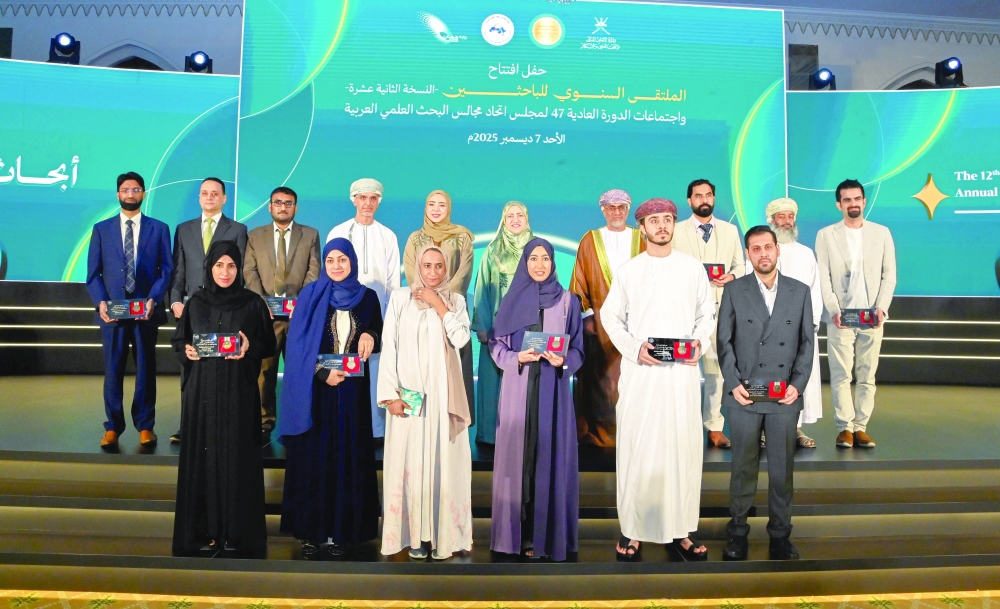





MUSCAT: An innovative study addressing industrial water pollution has earned Omani researcher Abrar bint Said al Ajmi, Lecturer at Sohar University, the 12th National Research Award, organised by the Research and Innovation Authority. She received the award in the Environmental and Biological Resources field under the Young Researcher category for her project titled “Biomass - metal oxide nanocomposite for the decontamination of phenol from polluted environment - parametric, kinetics and isotherm studies,” conducted at the Faculty of Engineering laboratories at Sohar University.
According to Al Ajmi, the study focuses on developing sustainable and effective methods for removing phenol, a hazardous pollutant commonly found in industrial wastewater. It introduces an innovative approach that utilises date palm biomass, derived from Phoenix dactylifera, combined with iron oxide to produce a nanocomposite capable of treating contaminated water. The research examined the key environmental conditions affecting phenol removal, including temperature, acidity levels and pollutant concentration. Under optimal conditions of 30°C and a pH of 7.8, the developed material achieved a removal efficiency of 80.30 per cent, demonstrating its strong potential as a practical solution for wastewater treatment.
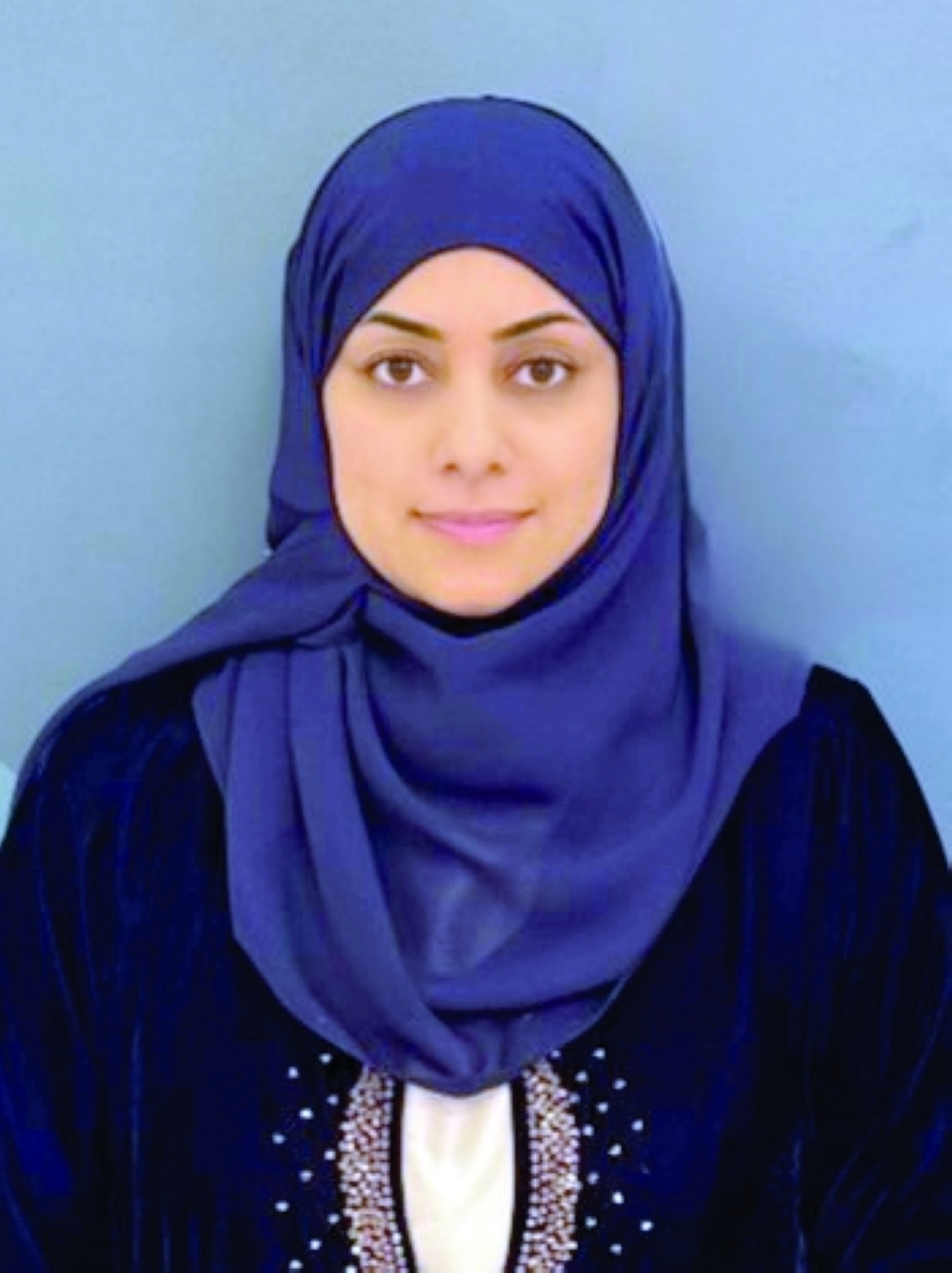
“The National Research Award is a proud and motivating recognition of my work as a young Omani engineering researcher in environmental pollution control. It affirms the relevance of my research to national sustainability goals and Oman Vision 2040, and inspires me to pursue impactful solutions that contribute to a cleaner and healthier future for Oman,” she said.
Further analysis confirmed that the removal process is efficient and stable, with the nanocomposite showing promising reusability, making it a sustainable option for long-term application. The findings highlight the potential of transforming locally available agricultural waste into high-value materials that contribute to environmental protection and resource efficiency.
Through this research project, Al Ajmi recommends integrating the developed nanocomposite into industrial wastewater treatment systems, particularly in sectors such as petrochemicals, refineries and pharmaceuticals, as well as expanding its application through pilot-scale implementation. She also emphasises the importance of adopting circular economy approaches by utilising date palm waste to support sustainable and locally sourced treatment solutions.
The research has been published in Environmental Research, a leading international journal in environmental engineering. The project was carried out in collaboration with Subrajit Bosu and Prof Rajamohan Natarajan at Sohar University.
Oman Observer is now on the WhatsApp channel. Click here