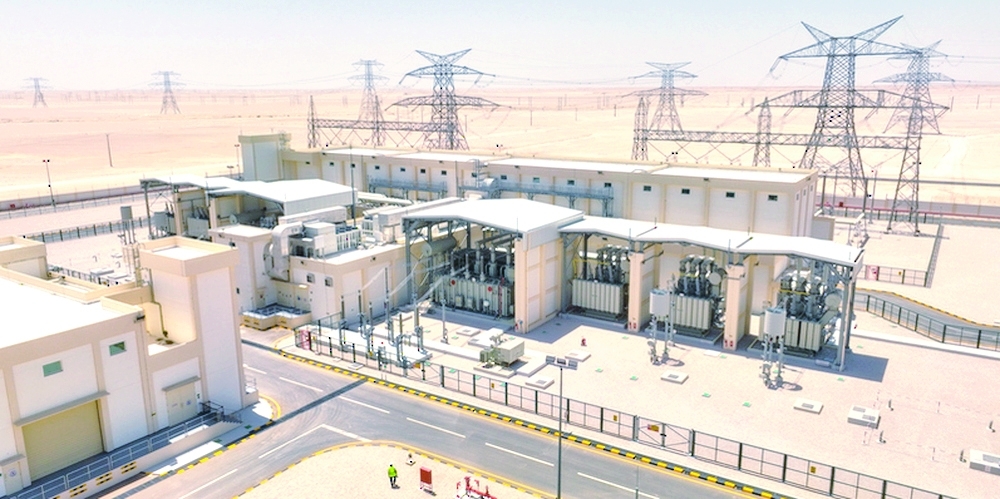
It is realistic to replace a large share of Oman’s electricity generation with renewables—solar, wind, and energy storage—within 20 years. However, it is unrealistic to fully replace all fossil-fuel use across the economy in that timeframe without major additional actions, such as mass electrification, green hydrogen at scale, carbon capture and storage, and very large investment. A reasonable outcome by 2046 is high renewable penetration in power generation, reaching 40–70% depending on policy and investment, while oil and gas continue to supply transport, industrial feedstocks, and residual generation.
TECHNICAL ARGUMENTS
Resource strength: Oman has excellent solar (≈5.5–7 kWh/m²/day) and good coastal wind in parts (annual mean 4–6 m/s at low heights, higher at hub heights). Technically the resource base can support multi‑GW Photovoltaics and wind installations.
Grid integration and flexibility: High variable renewable energy penetration requires upgrades: transmission reinforcement, situational awareness, fast ramping resources, demand response, and distributed generation management. These are technically solvable but require planning and investment.
Storage and firming: To displace baseload gas reliably, large-scale storage such as battery for daytime; hydrogen, pumped hydro, or long‑duration storage for seasonal/duration is needed. Current battery costs support daily shifting economically; long‑duration solutions remain expensive and will be the gating factor for 100% replacement.
Sector coupling: Replacing fossil fuels in hard‑to‑electrify sectors (heavy industry, heavy transport, aviation, some desalination modes) needs electrification and green hydrogen/ammonia or biofuels. Commercial electrolysers, compressors, and H2 logistics are available but scaling them to national levels is a technical challenge that requires time.
Grid reliability and system services: Synchronous inertia, frequency control, and black‑start capability must be provided via synchronous condensers, advanced inverters, or retained gas plants during transition, which is technically feasible but must be planned.
ECONOMIC ARGUMENTS
Levelized costs: Utility‑scale PV and onshore wind are already the cheapest marginal sources in many regions; levelized cost of electricity for new PV in the Gulf is low and falling. This favors rapid buildup of renewables for power generation.
Storage and balancing cost: Battery costs remain the major incremental expense. For high variable renewable energy shares, system cost increases nonlinearly as long‑duration firm capacity is required; green hydrogen and seasonal storage are still costly per kWh equivalent compared with gas.
Existing assets and revenues: Oman’s economy derives substantial revenue from hydrocarbons; rapid phase‑out risks stranded assets and fiscal shortfalls unless managed the diversification and compensating revenues.
Investment scale and financing: Achieving multi‑GW renewables, storage, grid upgrades and electrolyser capacity will require tens of billions of dollars and international capital. Attractive Power Purchase Agreement frameworks, stable policy, and de‑risking measures are needed.
Transition economics: Replacing power generation first (cheapest, largest CO2 reduction per dollar) is economically rational. Replacing transport and industry is costlier and will lag without carbon pricing, strong subsidies, or fuel export strategy changes.
CONCLUSIONS
Replacing most fossil use in electricity generation in Oman over 20 years is technically and economically reasonable with strong policy and large investment, producing major emissions reductions. Replacing all fossil fuels economy‑wide (transport, heavy industry, export hydrocarbons) within two decades is unlikely without transformational changes (very large long‑duration storage or low‑cost hydrogen, aggressive electrification, and major fiscal shifts). The realistic policy goal for 2046 is high renewable penetration of power plus targeted decarbonization pilots and scale‑up pathways for hydrogen and industrial electrification.
Oman Observer is now on the WhatsApp channel. Click here