At a family gathering last weekend, someone asked a question: “Which jobs do you think artificial intelligence (AI) will actually replace and which ones are safe?” This is in fact a question almost every Tom, Dick and Harry has in the back of their minds. I paused. Not because I did not have an answer, but because the answer deserved more than a quick reply over a dinner table. It needed context, honesty and a bit of perspective. So instead of answering the questions, I in fact promised to share the response in the form of an article and that is the focus of my article this week.
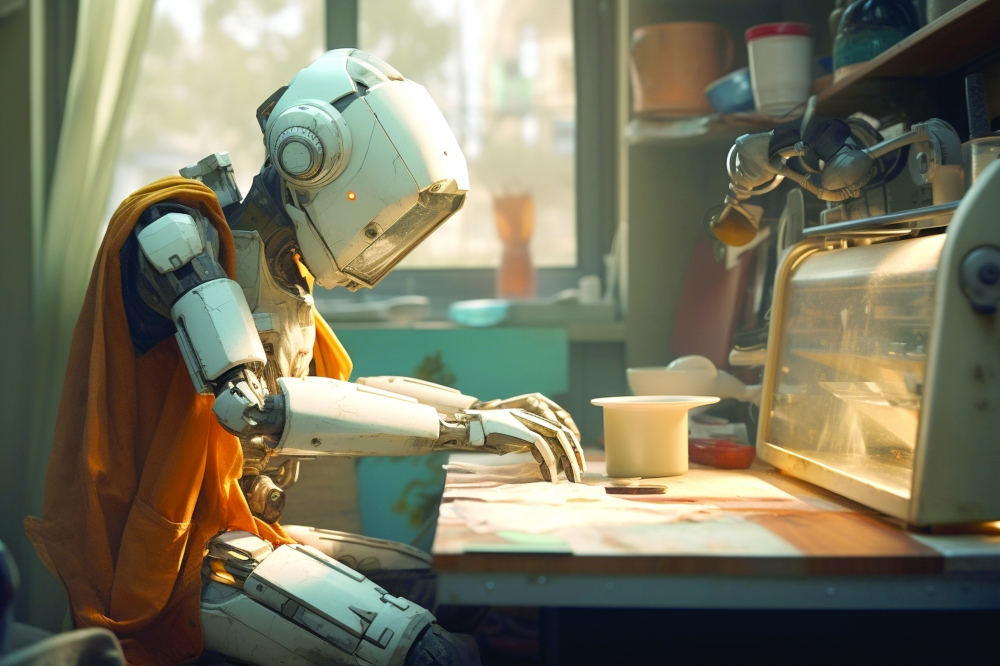
Briefly, AI is not coming. It is already here and it’s not asking for permission. If we look at history, technology does not randomly replace jobs. It replaces tasks. And when a job is mostly made up of repetitive, predictable tasks, it becomes vulnerable. Think about roles like data entry clerks, basic customer service agents, telemarketers and even some areas of accounting and finance. These jobs follow structured patterns. The inputs are known and the outputs are expected. That is exactly where AI thrives.
Many organisations around the world (Oman included) are already adopting chatbots to handle their customer queries, AI tools to process invoices and automation tools to manage scheduling and reporting. Over the next 3 to 5 years, many of these roles won’t disappear overnight but will shrink significantly. Organisations will simply need fewer people to do the same work. Proof is in the pudding on the massive layouts and cuts that we see globally today.
Content creation is another interesting area. Basic writing, generic marketing copy and even simple design tasks are now being handled by AI tools. Nevertheless, the difference is that AI can produce content, but not context. It can generate words, but not lived experience. So while entry-level content roles may decline within the next 2 to 4 years, the demand for thoughtful, original voices will actually increase in my humble opinion.
Jobs that won’t be replaced but will be reshaped include software developers, marketers and/or even doctors. They are being assisted and not replaced. AI is already assisting in writing code, analysing data and even suggesting diagnoses. But it’s not replacing the human behind the decision. Developers will and are in fact coding faster. Marketers are and will make smarter decisions. Doctors can most probably and will diagnose with more precision. The role shifts from doing the work to overseeing and enhancing it. Over the next 5 to 10 years, professionals who embrace AI will outperform those who resist it.
Jobs that I trust that would not be replaced include those that require deep human connection, creativity, leadership and emotional intelligence. For example, think about teachers who inspire, leaders who make tough decisions, entrepreneurs who navigate uncertainty, or even skilled trades like electricians and mechanics working in unpredictable environments. These roles are not just about tasks but about judgement, empathy and adaptability. AI struggles in situations where there is no clear pattern, where emotions matter and where trust is the currency.
These professions will remain human at their core even after 10 to 20 years because people prefer dealing with people when it truly matters. I continue to enjoy speaking with a real customer service agent more than an automated machine.
So to conclude my article this week, I would say that the real question should not be “Will AI take my job?” yet “Is my job built on repetition or is it built on thinking?” If it’s repetition, start evolving now. But if it’s thinking, double down on it. Because in the end, AI won’t replace people. It will replace people who refuse to adapt. Until we catch up again next week, keep learning and evolving so you remain updated and irreplaceable.
Oman Observer is now on the WhatsApp channel. Click here