




What began as a childhood image in a geography book has evolved into a lifelong relationship with Oman for UK governance and organisational development expert Clive Curtis.
He now describes the Sultanate of Oman as a ‘second home’, shaped by friendship, shared values and repeated journeys over more than four decades.
Clive has spent over 40 years working across the public, charitable and governance sectors in the United Kingdom, with a professional focus on culture, people and organisational development. Today, he continues that work in advisory and governance roles, including serving as Company Secretary of The British Omani Society, which works to strengthen understanding and friendship between the United Kingdom and Oman. He also sits on the Board of Cardiff and Vale University Health Board, where he chairs the People & Culture Committee.

His connection with Oman, however, predates his professional life.
“My first glimpse of Oman came from a school geography book when I was about ten”, he recalled.
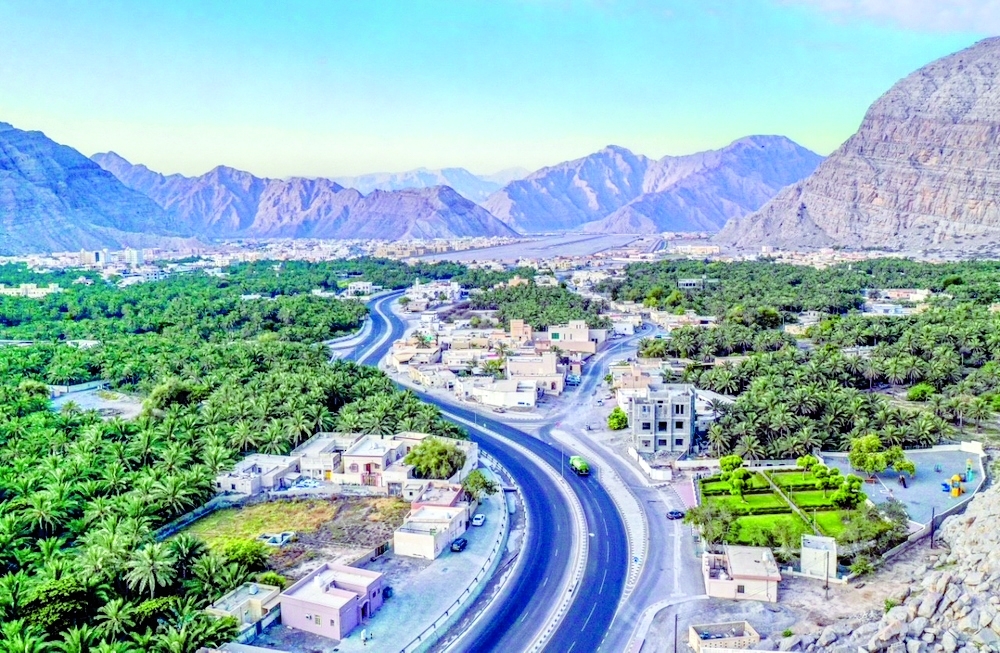
“Those photographs of stark mountains, deep wadis and quiet beaches captured my imagination in a way I didn’t fully understand at the time”.
When he finally visited years later, the reality deepened that early fascination. “It felt like stepping into a place I’d been carrying with me for decades”, he said. “The landscapes were even more striking in person — the book was a sketch, but the reality was in full colour”.
Beyond the scenery, it was Oman’s atmosphere that left a lasting impression.
“What stayed with me most was the scent of the air, the warmth of the welcome and a profound sense of calm and dignity”, he said.

Over time, Clive has witnessed Oman’s development from both professional and personal vantage points. “What I’ve always admired is how Oman has changed without losing its centre”, he said. “It’s a country that grows thoughtfully; nothing feels rushed or out of place”.
He added that Oman demonstrates a rare model of progress. “You can modernise and embrace the future while still honouring your heritage and story”.
Through his role at the British Omani Society, Clive has worked to foster closer UK-Oman ties, but he is quick to emphasise that the most meaningful connections go beyond institutional frameworks.
“The strongest ties are always personal ones”, he said. “While governance and structure matter, the most meaningful moments happen informally — over a shared meal or a cup of coffee. That’s where real friendships begin”.
He also draws from personal experiences hosting Omani friends in the UK, which deepened his understanding of cultural continuity. “When someone stays in your home, you see their culture in the small things — the humour, the courtesy, the instinctive, quiet generosity”, he said. “Omani hospitality isn’t tied to geography; it travels with the people”.
Clive currently divides his time between Wales, Yorkshire and London, while maintaining regular visits to Oman — a country he increasingly sees as an emotional anchor as well as a cultural interest.
“Oman is often described as having a quiet confidence”, he said. “There’s a balance there — modern but rooted, ambitious yet humble”.
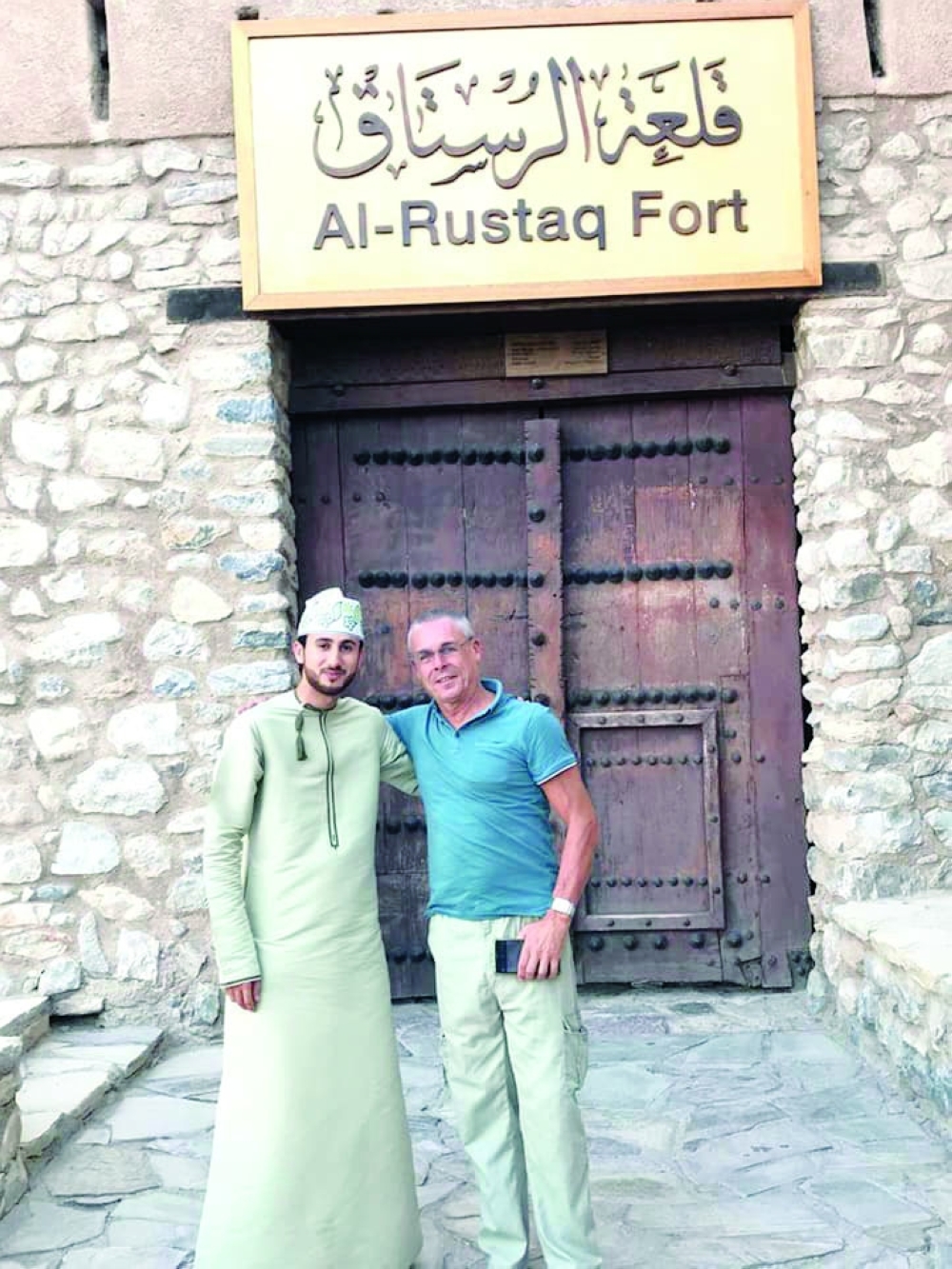
He believes that continuity is one of the country’s defining strengths. “Traditions remain beautifully intact even as the country advances. That sense of identity is what stands out most”.
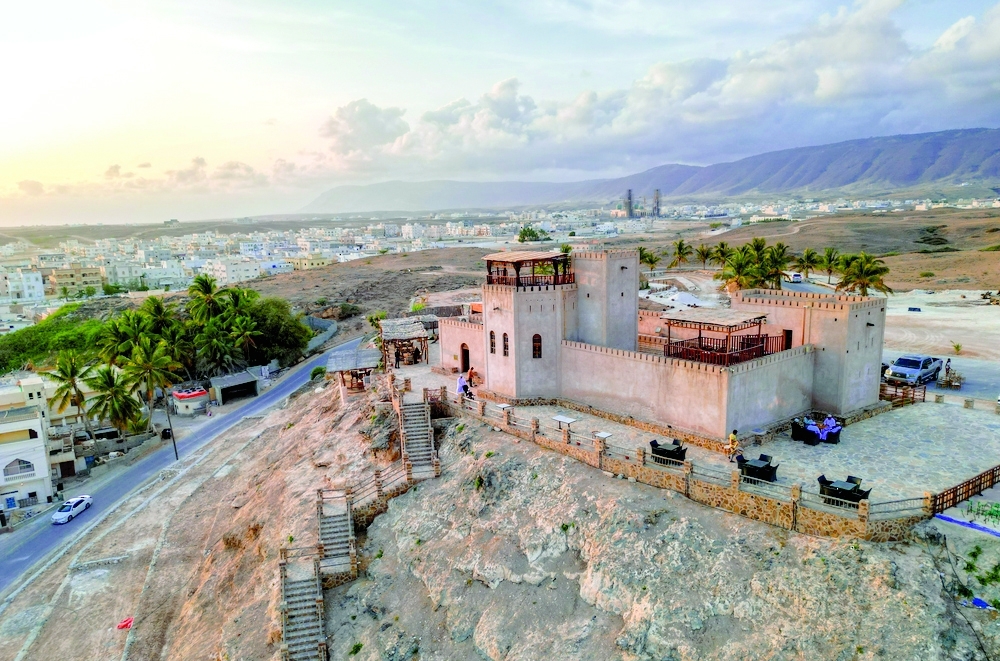
For first-time visitors, he encourages travel beyond the capital. “Oman rewards slow travel”, he said. “From Nizwa’s history to the stillness of Wadi Bani Khalid, the more you pause, the more the country reveals itself”.
For Clive, however, Oman is ultimately defined by its people.
“It’s the conversations, the shared meals and the feeling of being part of people’s lives that linger long after I’ve flown home”, he said.
“What keeps drawing me back is simple — the people, who turn every visit into something that feels like home”.
Oman Observer is now on the WhatsApp channel. Click here