




MUSCAT, APRIL 16
As the most severe maritime disruption in modern Gulf history enters its sixth week, Oman is emerging as the region’s indispensable logistics pivot – and the commercial opportunity flowing through its ports, roads, and supply chains is creating urgent demand for working capital that the traditional financing landscape has not yet caught up with.
According to Mamun, a well-known FSA-licensed Shari’ah-compliant trade finance and investment platform built in Oman, the current environment has made visible what its own portfolio experience already demonstrates: that well-structured working capital, tied to real procurement cycles and verified commercial flows, is not a convenience for Omani SMEs – it is an economic necessity.
The scale of the opportunity is already measurable. According to Oman’s National Centre for Statistics and Information (NCSI), re-exports grew 20.3% in 2025 to exceed RO 2 billion, while non-oil merchandise exports rose 7.5% to RO 6.7 billion. Non-oil exports to the UAE alone jumped 25.3% to RO 1.3 billion. In January 2026, the momentum continued: non-oil exports grew a further 15.3% year-on-year, and re-exports rose 9.7% – all of this before the full effects of the Hormuz disruption began reshaping regional flows.
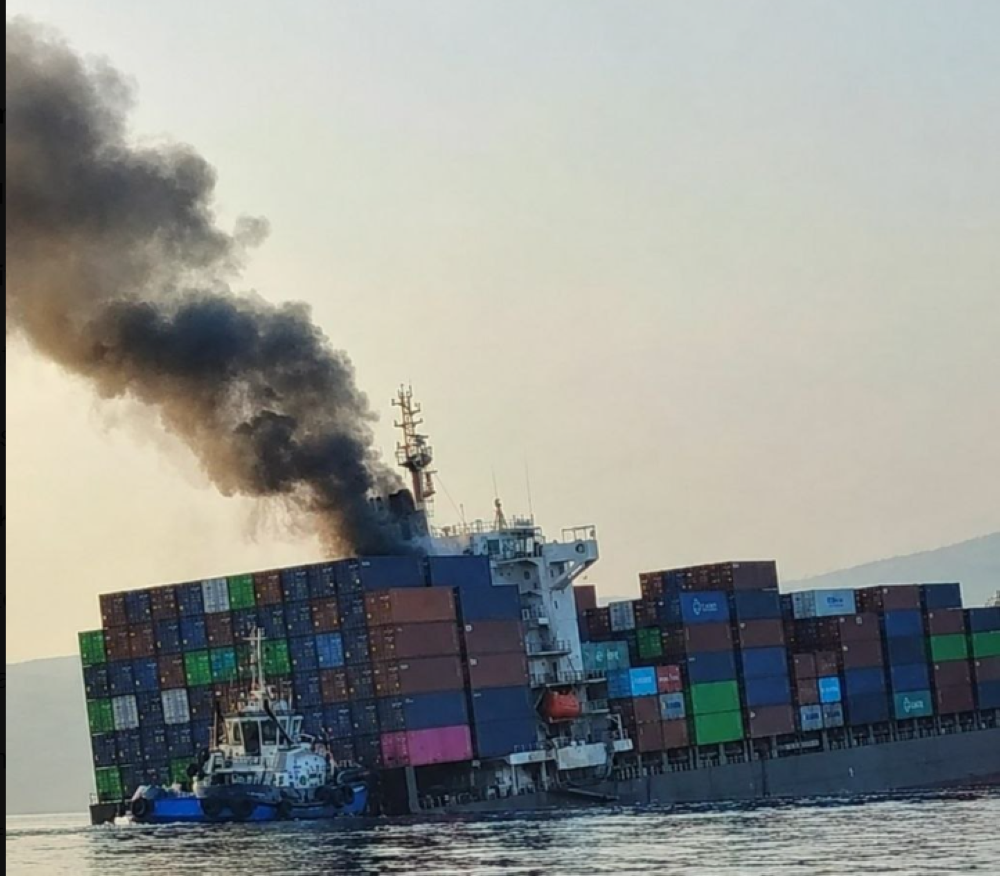
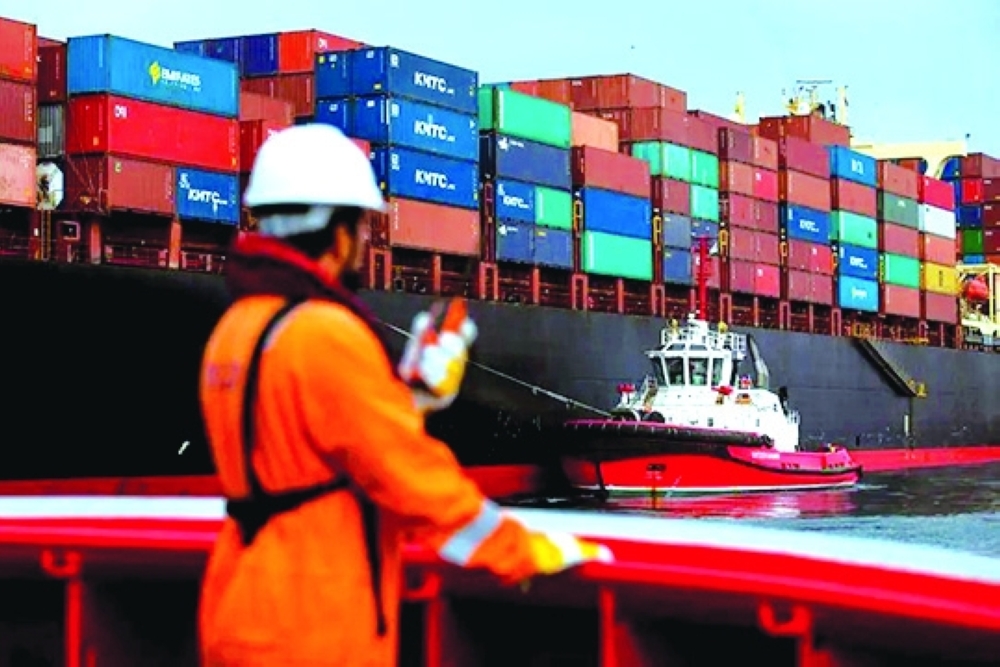
Since late February, the effective closure of the Strait of Hormuz and threats to Red Sea shipping have simultaneously blocked the Middle East’s two major maritime corridors. Major container lines have suspended Gulf transits. War risk insurance has been withdrawn. And global supply chains touching the region are being rerouted through alternative gateways – with Oman’s ports at Sohar, Salalah, and Duqm absorbing the rerouted flows.
Maritime intelligence data from Windward shows Sohar Port recorded a 1,766% increase in vessel destination change requests in March 2026, while Salalah saw rerouting requests rise by 800%. Dubai Customs has formalised a Green Corridor between Oman and the UAE under Directive No. 04/2026, enabling cargo cleared at Omani ports to move overland into UAE markets. What began as improvised rerouting is now a codified logistics framework – and it is accelerating demand across every link of Oman’s supply chain.

The disruption has accelerated a structural shift that was already underway. Oman’s three major ports – handling over 137 million tonnes of cargo annually and operating outside both the Strait of Hormuz and Bab el-Mandeb risk zones – sit at the intersection of trade routes connecting Asia, the GCC, Africa, and Europe. The $3 billion Hafeet Rail project linking Suhar to the UAE’s Etihad Rail network, Salalah’s expanded container terminal, and Duqm’s positioning as the largest special economic zone in the Middle East are all converging to establish the Sultanate as the Indian Ocean’s connective logistics node.
Critically, the opportunity is not limited to transit and re-export of finished goods. Oman’s industrial base is increasingly positioned to add product value before goods reach re-export markets. Plastics and polymer processors are converting OQ feedstock into finished industrial products for GCC and international buyers. Food manufacturers are sourcing imported raw materials and producing locally branded goods for regional shelves. Metals fabricators tied to Sohar’s industrial zone are supplying construction and infrastructure inputs across the Gulf.
In each case, the value chain runs through an Omani SME – and the financing need sits at the procurement stage, where working capital determines whether a business can capture the order or lose it.
For Omani SMEs, this is not abstract infrastructure. Exporters are receiving increased demand from GCC counterparties seeking supply diversification. Importers are rerouting procurement through local value-addition channels. Manufacturers and food processors are scaling into gaps left by disrupted corridors. All of these dynamics require working capital – and all create the kind of documented, anchor-backed trade flows that purpose-built financing infrastructure is designed to support.
Saleh Al Tamami, Co-Founder and CEO of Mamun, said: “The question is no longer whether SMEs need financing. The question is whether the right financing infrastructure exists to support businesses operating in sectors that matter to the country’s long-term competitiveness. Oman’s ports are now handling cargo that the wider Gulf used to route elsewhere. The re-export numbers were already growing at 20% before this disruption. The SMEs behind those trade flows – the manufacturers, the logistics providers, the food processors, the exporters – need working capital that moves at the speed of the opportunity. In the current regional environment, financing has to do more than provide liquidity. It has to support continuity in sectors that matter to Oman’s resilience and growth.”
Oman Observer is now on the WhatsApp channel. Click here